
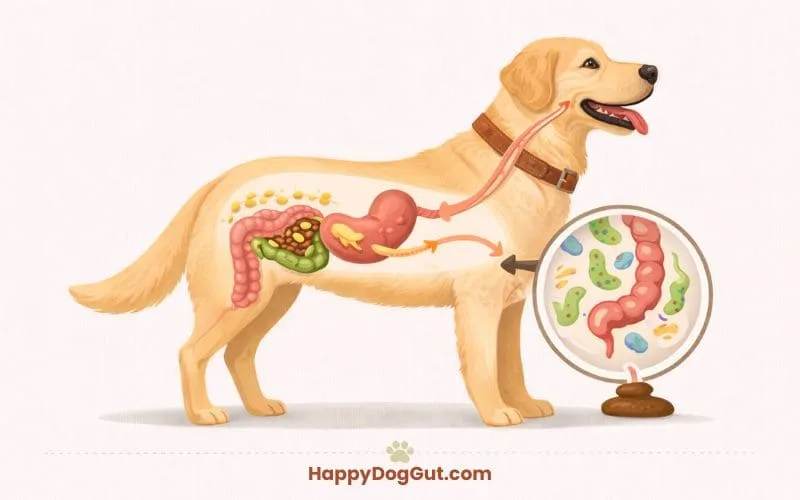
Chronic diarrhea is a very common and frustrating concern for dog owners. Unlike an occasional loose stool—which can happen after a treat, stress, or a minor diet change—chronic diarrhea refers to loose, watery, or inconsistent stools that continue or keep returning over time. When it doesn’t seem to resolve on its own, it’s natural to worry about what’s going on inside your dog’s digestive system.
One of the most important things to understand is that diet plays a major role in stool quality. Many dogs with ongoing digestive issues may benefit from reviewing their diet, ingredient choices, and feeding routine as part of long-term digestive support. That’s why choosing the best dog foods for chronic diarrhea often focuses on digestibility, fiber balance, and ingredient simplicity rather than quick fixes.
At the same time, not every loose stool means something is wrong. Some dogs experience soft or loose stools while otherwise acting perfectly normal. If that sounds familiar, our guide on Why Dogs Have Soft Stool but are acting Normal explains this situation in more detail. Digestive sensitivity is another common contributor, which we break down further in our article on What Causes Sensitive Stomachs in Dogs.
This guide is designed to offer education and diet support—not diagnosis. You’ll learn how chronic diarrhea differs from temporary upset, what dietary factors matter most, and when professional guidance becomes important.
What Is Considered Chronic Diarrhea in Dogs?
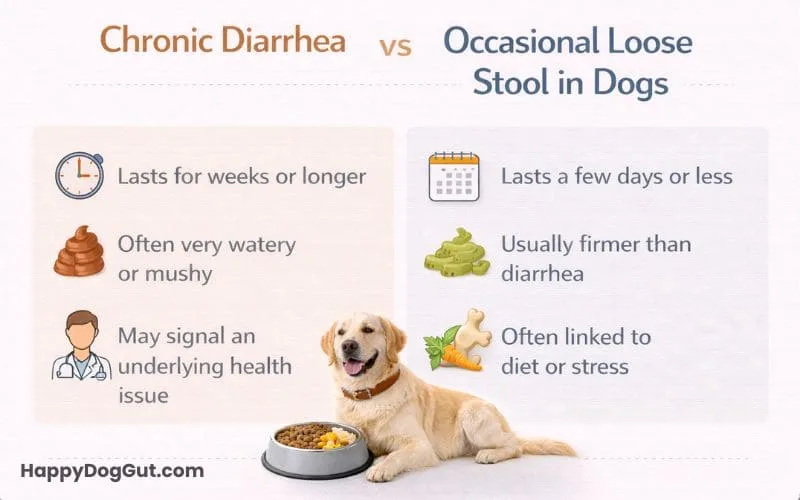
Not all diarrhea is the same, and understanding the difference is important before making diet changes. Chronic diarrhea generally refers to loose, watery, or poorly formed stools that last more than a few days, keep coming back, or never fully resolve. This is different from a one-time upset stomach that clears on its own after 24 hours.
⏱️ Timeline: When Diarrhea becomes “chronic”
- Occasional diarrhea: short-term, often linked to treats, stress, or a brief diet slip
- Chronic diarrhea: stools remain loose for several days, or improve briefly but return again
When diarrhea becomes ongoing, it can start to affect how well your dog absorbs nutrients and stays hydrated—both of which are essential for long-term gut health.
Chronic digestive issues often develop gradually, making it harder to know when normal ups and downs cross a line. Understanding When Diarrhea becomes concerning helps owners decide when long-term diet support is enough and when further evaluation is needed.
🧠 Why repeated diarrhea stresses the gut
Frequent loose stools don’t give the digestive system time to recover. Over time, this can:
- Disrupt healthy gut bacteria
- Reduce nutrient absorption
- Make dogs more sensitive to foods they once tolerated
That’s why finding the best dog foods for chronic diarrhea often focuses on calming the gut and supporting digestion, not just stopping symptoms.
Some dogs experience diarrhea that improves briefly but keeps returning over time. In these cases, understanding How long does Diarrhea last in dogs can help owners recognize when diarrhea may be shifting from short-term upset to a longer-term digestive pattern.
👀 Why Observation Matters more than Panic
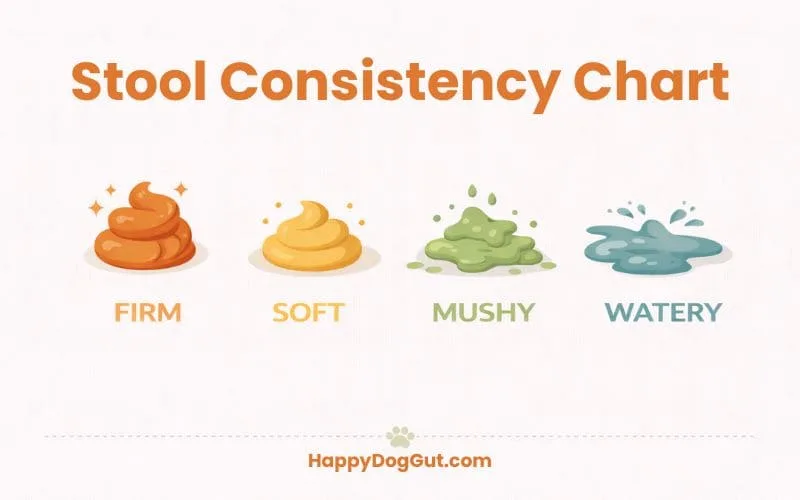
One soft stool isn’t usually a reason to panic. What matters is the pattern—how often it happens, how long it lasts, and whether other changes appear. Tracking stool color and texture can be surprisingly helpful. Our Dog Poop Color & Texture Chart walks through what’s normal versus what deserves closer attention.
Chronic diarrhea is about consistency over time, not a single bad day. Calm observation and thoughtful diet choices often provide clearer answers than rushing to change everything at once.
Some dogs experience chronic diarrhea due to underlying colon sensitivity rather than simple stomach upset. In these cases, understanding What to feed a Dog with Colitis can provide helpful context before choosing specific food options designed to support long-term digestive balance.
Common Causes of Chronic Diarrhea (Diet-Related)
When diarrhea keeps coming back, diet is often one of the biggest contributing factors. Many dogs with ongoing loose stools aren’t dealing with a serious disease—but rather a food plan that doesn’t suit their digestive system. Understanding these common diet-related causes can help explain why switching to the best dog foods for chronic diarrhea is often part of long-term gut support.
🚫 Food Intolerance
Food intolerance is one of the most frequent causes of chronic diarrhea. This happens when a dog’s digestive system struggles to process certain ingredients, leading to loose stools, gas, or discomfort over time. Unlike sudden reactions, intolerance symptoms often build slowly and can be easy to miss at first. If diarrhea keeps returning without obvious triggers, food intolerance is worth considering. We explain the warning signs in detail in our guide to Signs of Food Intolerance in Dogs.
🔄 Sudden Diet Changes
Changing dog food too quickly can overwhelm the gut. A new protein source, different fiber level, or unfamiliar ingredients can disrupt digestion and gut bacteria balance. Even high-quality foods can cause problems if the transition isn’t gradual, especially for dogs with sensitive stomachs.
🌾 Low or Unbalanced Fiber
Fiber helps regulate stool consistency.
- Too little fiber may result in loose, watery stools.
- Too much or poorly balanced fiber can also upset digestion.
Dogs with chronic diarrhea often need carefully balanced fiber—not extremes on either side.
🧈 Fat Sensitivity
Some dogs struggle to digest higher-fat foods. This can lead to greasy, loose stools and urgency after meals. Fat sensitivity is especially common in dogs with ongoing digestive issues, making moderate-fat diets a safer choice.
Certain ingredients are more likely to trigger these problems. Our list of Dog Food Ingredients to Avoid for Sensitive Stomachs highlights common dietary culprits that may worsen chronic diarrhea.
🩺 Key Takeaway:
When diarrhea is diet-related, consistency matters. Identifying triggers and choosing the best dog foods for chronic diarrhea often focuses on gentle ingredients, balanced fiber, and easy digestion rather than quick fixes.
When Chronic Diarrhea Is NOT Just a Diet Issue
While diet plays a major role in digestive health, it’s important to understand that not all chronic diarrhea is caused by food alone. Even dogs eating the best dog foods for chronic diarrhea may continue to have loose stools if other factors are affecting the gut. Recognizing these possibilities helps avoid frustration and unrealistic expectations from diet changes alone.
😟 Stress and Anxiety
Dogs can be surprisingly sensitive to stress. Changes in routine, travel, boarding, new pets, or even household noise can speed up digestion, leading to ongoing loose stools. Stress-related diarrhea may come and go depending on the situation and often improves once routines stabilize.
🦠 Parasites
Intestinal parasites can affect digestion and stool consistency. Because these issues aren’t always visible, they shouldn’t be assumed or self-diagnosed based on stool appearance alone. If diarrhea persists despite diet consistency, professional evaluation becomes important.
💊 Medications
Certain medications—especially antibiotics or anti-inflammatory drugs—can disrupt gut bacteria and digestive balance. This may result in softer stools or diarrhea during or after treatment. In these cases, food alone may not fully resolve the issue until the gut has time to recover.
If diarrhea continues despite careful feeding and consistency, it may be helpful to look at the broader picture of digestive health. Our overview of Common Gut Problems and Remedies in Dogs explains how non-diet factors can influence long-term digestion.
Diet is powerful, but it isn’t always the whole answer. When chronic diarrhea doesn’t improve with even the best dog foods for chronic diarrhea, it’s a sign that additional factors may need attention—best addressed with professional guidance.
What to Look for in the Best Dog Foods for Chronic Diarrhea
Choosing the right food is one of the most important steps in supporting a dog with ongoing digestive issues. The best dog foods for chronic diarrhea aren’t about extreme formulas or quick fixes—they focus on ingredients that help the gut settle, absorb nutrients better, and maintain more consistent stool over time.
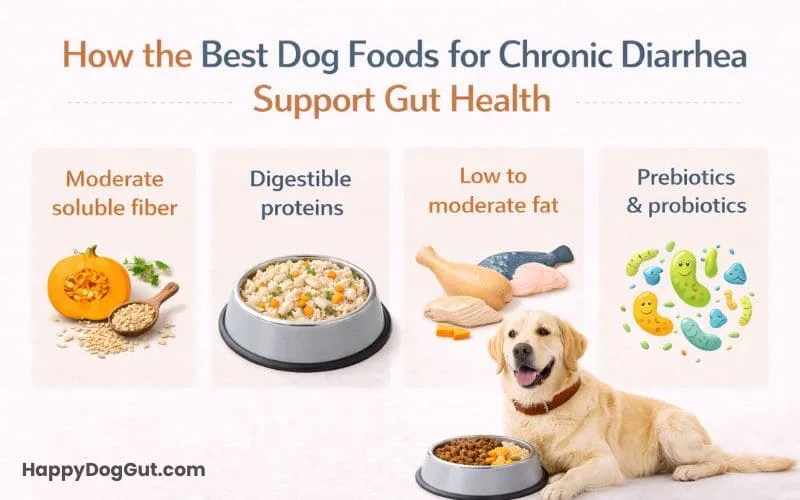
🌾 Moderate Soluble Fiber
Soluble fiber helps absorb excess water in the gut and can support firmer stools. Ingredients like pumpkin, oats, or beet pulp are commonly used because they’re gentle and effective when included in the right amounts. Too little fiber may worsen loose stools, while too much can irritate digestion—balance is key.
🍗 Highly Digestible Proteins
Proteins that are easy to digest put less strain on the digestive system. Chicken, turkey, salmon, or limited-ingredient protein sources are often better tolerated than heavily processed or mixed proteins. When digestion improves, stool quality often follows.
🧈 Low to Moderate Fat Content
Excess fat can overwhelm sensitive digestive systems and contribute to loose or greasy stools. Foods designed for chronic diarrhea typically keep fat at moderate levels to reduce digestive stress while still providing enough energy for daily needs.
🦠 Prebiotics and Probiotics
Healthy gut bacteria play a major role in digestion and stool consistency. Prebiotics help feed beneficial bacteria, while probiotics support balance in the gut microbiome. Some dogs benefit from added probiotics alongside food. Our guide to the Best Probiotics for Dogs explains when and how they may help support digestive health.
For dogs that struggle with stool firmness, fiber balance matters just as much as protein quality. Our breakdown of High-fiber Dog Foods for firm stool explores how fiber supports more consistent digestion.
The best dog foods for chronic diarrhea focus on calm, steady digestion—not extremes. Gentle fiber, digestible proteins, controlled fat, and gut-supporting ingredients work together to support long-term stool stability.
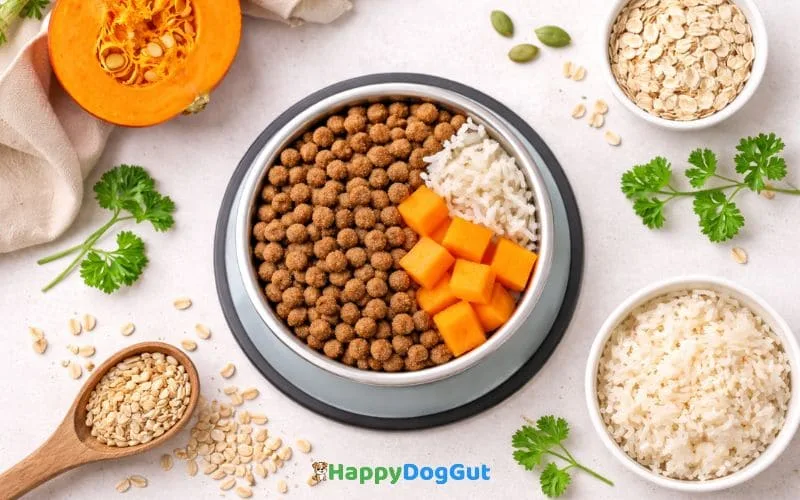
Best Dog Foods for Chronic Diarrhea
When diarrhea becomes ongoing, the goal isn’t to “stop” it overnight—it’s to support the gut so digestion can stabilize over time. The best dog foods for chronic diarrhea are typically formulated with gentle ingredients, balanced fiber, and easy-to-digest proteins that reduce stress on the digestive system.
Below are commonly recommended food types and brands that are often used as part of long-term digestive support. These are not treatments, but nutritional options many owners explore under guidance.
1. Hill’s Science Diet Sensitive Stomach & Skin
Key ingredients:
Chicken, rice, beet pulp
Why it may help:
Uses highly digestible ingredients and prebiotic fiber to support gut balance.
Pros:
- ✔ Gentle digestion
- ✔ Consistent formula
Cons:
- ✖ Not suitable for chicken intolerance
Best for:
Dogs with mild to moderate chronic diarrhea
Avoid if:
Known poultry sensitivity
✅ Good to Know:
Often recommended for dogs with recurring digestive sensitivity due to its controlled ingredient profile.
2. Purina Pro Plan Sensitive Skin & Stomach
Key ingredients:
Salmon, rice, oatmeal
Why it may help:
Balanced fiber and a single main protein source support stool consistency.
Pros:
- ✔ Moderate fiber
- ✔ Easily digestible protein
Cons:
- ✖ Fish taste not preferred by all dogs
Best for:
Dogs with recurring loose stools
Avoid if:
Fish intolerance
✅ Good to Know:
Designed for dogs with digestive and skin sensitivities.
3. Royal Canin Digestive Care
Key ingredients:
Chicken meal, rice, specialized fibers
Why it may help:
Targets digestion efficiency and nutrient absorption.
Pros:
- ✔ Consistent stool support
- ✔ Precise formulation
Cons:
- ✖ Higher price point
Best for:
Dogs with frequent soft stools
Avoid if:
Chicken sensitivity
✅ Good to Know:
Often used when stool quality is inconsistent despite diet changes.
4. Blue Buffalo Basics Limited Ingredient
Key ingredients:
Turkey, potato, pumpkin
Why it may help:
Fewer ingredients make it easier to identify triggers.
Pros:
- ✔ Simple formula
- ✔ Includes gentle fiber
Cons:
- ✖ Not ideal for severe diarrhea cases
Best for:
Suspected food intolerance
Avoid if:
Legume sensitivity
✅ Good to Know:
Limited ingredient diets can reduce digestive overload.
5. Wellness Simple Limited Ingredient Diet
Key ingredients:
Salmon, potato
Why it may help:
Single protein + controlled carbs support calmer digestion.
Pros:
- ✔ Minimal ingredients
- ✔ Easy to digest
Cons:
- ✖ May not firm stool alone
Best for:
Dogs with ingredient sensitivities
Avoid if:
Fish intolerance
✅ Good to Know:
Often considered when dogs react to complex recipes.
Read More: Best Dog Kibble for Sensitive Stomachs.
6. Iams Advanced Health Digestion
Key ingredients:
Chicken, beet pulp
Why it may help:
Includes prebiotics to support gut bacteria.
Pros:
- ✔ Affordable
- ✔ Widely available
Cons:
- ✖ Limited protein options
Best for:
Dogs with mild chronic diarrhea
Avoid if:
Chicken sensitivity
✅ Good to Know:
Budget-friendly option designed for digestive balance.
7. Nutro Digestive Health
Key ingredients:
Lamb, brown rice
Why it may help:
Gentle grains and prebiotics support stool consistency.
Pros:
- ✔ No artificial additives
- ✔ Balanced nutrition
Cons:
- ✖ Not suitable for grain-free needs
Best for:
Diet-sensitive dogs
Avoid if:
Grain intolerance
✅ Good to Know:
Focused on clean ingredients and moderate fiber.
8. Wellness CORE Digestive Health (Wet Option)
Key ingredients:
Turkey, pumpkin
Why it may help:
Higher moisture + gentle ingredients support hydration and digestion.
Pros:
- ✔ Easy to eat
- ✔ Supports hydration
Cons:
- ✖ Higher cost per serving
Best for:
Dogs needing softer meals
Avoid if:
Protein intolerance
✅ Good to Know:
Wet foods can be easier to digest for some dogs.
The best dog foods for chronic diarrhea support digestion gradually. Improvement often takes time, consistency, and careful observation. If diarrhea persists or worsens, professional guidance is always important.
While choosing the right diet is essential for managing chronic diarrhea, hydration support should not be overlooked. Electrolyte solutions can help maintain fluid balance during flare-ups. For a complete explanation, see our guide on Electrolytes for dogs with diarrhea.
Best Wet Dog Foods for Chronic Diarrhea
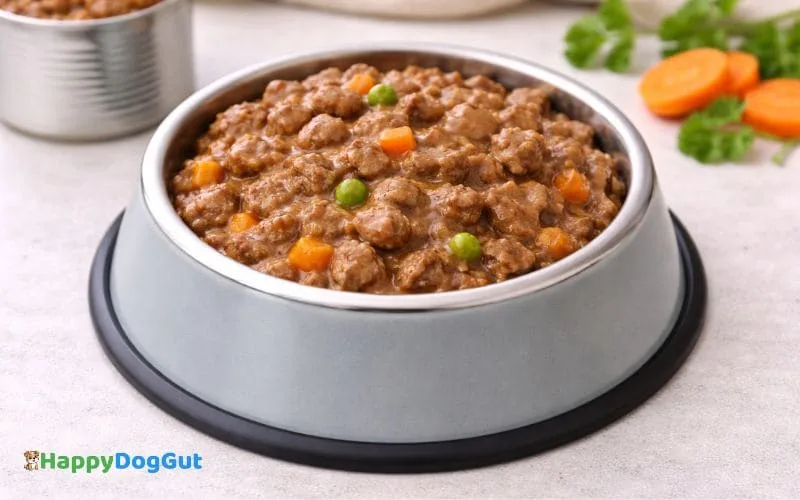
🥫 For dogs dealing with ongoing digestive upset, wet food can sometimes be easier to tolerate than dry kibble. When used correctly, wet options can be part of the best dog foods for chronic diarrhea, especially for dogs that struggle with hydration, appetite, or digestibility.
💧 Why Wet Food can help
Wet dog food contains significantly more moisture than dry food, which helps support hydration during periods of frequent loose stools. The softer texture is also gentler on sensitive digestive systems and may reduce irritation in dogs with chronic diarrhea. For some dogs, this can lead to more consistent stool over time when paired with patience and a stable feeding routine.
Below are a few commonly used wet food options that dog owners often explore when managing chronic digestive sensitivity. These are nutritional support choices, not treatments, and results vary by dog.
1. Hill’s Science Diet Sensitive Stomach & Skin (Wet)
Key ingredients:
Chicken, rice, beet pulp
Why it may help:
Formulated with highly digestible ingredients and prebiotic fiber to support gut balance.
Best for:
Dogs with chronic diarrhea linked to digestive sensitivity
Avoid if:
Chicken intolerance
2. Purina Pro Plan Sensitive Skin & Stomach (Wet)
Key ingredients:
Salmon, rice
Why it may help:
Uses a single primary protein source and gentle carbohydrates to support stool consistency.
Best for:
Dogs with recurring loose stools and mild food sensitivity
Avoid if:
Fish intolerance
3. Royal Canin Digestive Care Loaf
Key ingredients:
Chicken by-products, rice, targeted fiber blend
Why it may help:
Designed to support digestion efficiency and nutrient absorption.
Best for:
Dogs with frequent soft stools
Avoid if:
Poultry sensitivity
4. Wellness CORE Digestive Health (Wet)
Key ingredients:
Turkey, pumpkin
Why it may help:
Includes pumpkin and gentle fibers to support stool formation.
Best for:
Dogs needing a softer, moisture-rich diet
Avoid if:
Turkey intolerance
For a broader look at wet options formulated for digestive support, our guide to the Best Wet Dog Foods for Sensitive Stomachs explains how these diets are typically used and when they make sense.
Wet food can be a helpful part of the best dog foods for chronic diarrhea, but consistency matters more than brand switching. Always introduce changes slowly and monitor stool patterns over time.
Homemade Diets for Chronic Diarrhea (Short-Term Support)
When a dog is dealing with ongoing loose stools, many owners turn to homemade meals for short-term digestive relief. While homemade food can be helpful during flare-ups, it’s important to understand that homemade diets are meant for temporary support—not long-term nutrition. Even when using the best dog foods for chronic diarrhea, some dogs benefit from a brief reset with simple meals before transitioning back to a complete diet.
🍗 Chicken & Rice (classic short-term option)
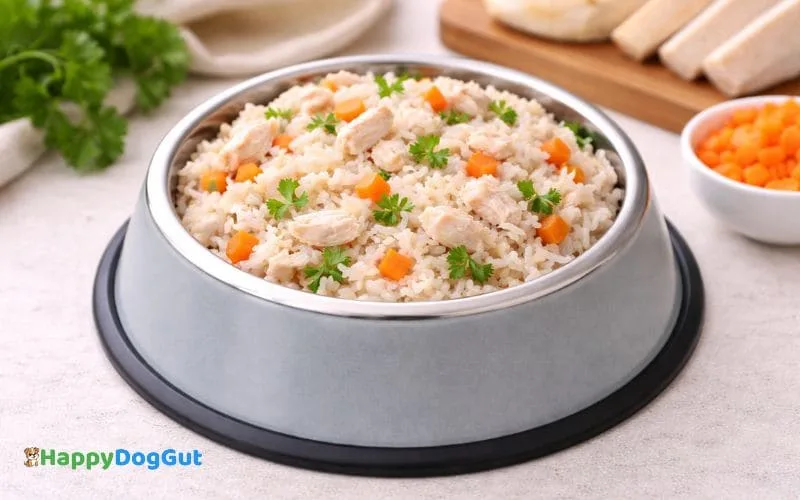
Plain, boiled chicken and white rice are commonly used because they’re easy to digest and low in fat. This combination gives the digestive system a break and can help stabilize stools temporarily. However, it lacks key nutrients and should not be fed long term without guidance. Our step-by-step guide to Homemade Chicken and Rice for Dogs explains how to prepare and use this diet safely.
🥣 Low-fat, Simple meals
Low-fat foods reduce digestive strain and are often better tolerated during periods of chronic diarrhea. Simple ingredient lists help minimize gut irritation and make it easier to observe how your dog responds to food changes.
⚠️ Why homemade isn’t a long-term solution
Homemade diets often miss essential vitamins, minerals, and balanced fiber. Feeding them too long can lead to nutritional gaps—even if stools improve initially. That’s why homemade meals are best used briefly, followed by a slow transition back to a complete, balanced diet. Our guide on What to feed a Dog after Diarrhea walks through this transition process clearly.
Homemade meals can support digestion short term, but long-term gut health usually requires a complete diet designed for sensitivity—often among the best dog foods for chronic diarrhea.
Supplements That May Support Chronic Diarrhea
In some cases, diet alone may not fully stabilize digestion. Supplements can play a supportive role when used carefully and consistently alongside the best dog foods for chronic diarrhea. These are not cures, but tools that may help support gut balance.
🧫 Probiotics
Probiotics help maintain healthy gut bacteria, which play a major role in digestion and stool consistency. Stress, antibiotics, or frequent food changes can disrupt this balance, leading to ongoing loose stools. Adding probiotics may help support a calmer digestive environment in some dogs. Our breakdown of the Best Probiotics for Dogs explains when probiotics are commonly considered and how they’re used.
🌾 Fiber Supplements
Fiber supplements can help absorb excess water in the gut and support firmer stools when fiber intake from food alone isn’t enough. The key is moderation—too much fiber can worsen digestive upset. Choosing the right type and amount matters. Our guide to the Best Fiber Supplements for Dogs with Sensitive Stomachs covers this in more detail.
Supplements work best as part of a consistent plan. When combined thoughtfully with the best dog foods for chronic diarrhea, they may help support steadier digestion—but patience and observation are essential.
Feeding & Transition Tips for Dogs With Chronic Diarrhea
Even the best dog foods for chronic diarrhea won’t help if feeding habits are inconsistent. How you feed is just as important as what you feed—especially for dogs with sensitive digestion. Small adjustments in routine can make a big difference in stool consistency over time.
🥄 Small, Frequent meals
Instead of one or two large meals, divide daily food into 3–4 smaller portions. Smaller meals are easier to digest and reduce stress on the gut, which can help limit flare-ups of loose stool.
🔄 Slow Food Transitions (11-day approach)
Switching foods too quickly is a common cause of ongoing diarrhea. A gradual transition allows gut bacteria to adjust and helps prevent setbacks. An 11-day transition often works well:
- Days 1–3: Mostly old food + a small amount of new
- Days 4–7: Even mix half old + half new
- Days 8–10: Mostly new food + a small amount of old
- Day 11+ : New Food only
For a step-by-step breakdown, follow our Dog Food Transition Guide that explains how to switch without upsetting digestion.
🍪 Avoid Treats during flare-ups
Treats—even “healthy” ones—can interfere with progress. During periods of chronic diarrhea, it’s best to pause treats and table scraps entirely until stools stabilize. Once digestion improves, treats can be reintroduced slowly and sparingly.
Consistency is critical. The best dog foods for chronic diarrhea work best when paired with calm feeding routines and slow, thoughtful transitions.
When to See a Vet (Clear Red Flags)
While many dogs with chronic diarrhea improve with diet changes and patience, some situations require professional evaluation. Using the best dog foods for chronic diarrhea should never delay veterinary care when clear warning signs appear.

🚨 Blood in Stool
Repeated blood, dark stool, or blood combined with discomfort should not be monitored at home. These signs deserve prompt attention.
⚖️ Unexplained Weight Loss
If diarrhea continues alongside noticeable weight loss, it may indicate poor nutrient absorption or another underlying issue that diet alone may not resolve.
💧 Signs of Dehydration
Ongoing loose stools can quickly lead to dehydration. Warning signs include dry gums, low energy, reduced urination, or weakness—especially concerning if diarrhea persists.
🐾 Puppies and Senior Dogs
Very young and older dogs have less reserve and can decline faster. Chronic diarrhea in these age groups should be addressed sooner rather than later, even if appetite seems normal.
While diet plays a major role in managing ongoing loose stools, persistent diarrhea can sometimes signal a deeper digestive imbalance. Veterinary education resources note that recurring diarrhea may be influenced by diet, stress, medications, or other health factors that require professional evaluation. When symptoms continue despite careful feeding and consistency, veterinary guidance becomes an important part of long-term gut support.
✅ Important Note:
Dietary support is powerful, but it has limits. If red flags appear or symptoms worsen, consulting a veterinarian is always the safest next step—no matter how carefully you’ve chosen the best dog foods for chronic diarrhea.
FAQs About Best Dog Foods for Chronic Diarrhea
What is considered chronic diarrhea in dogs?
Chronic diarrhea usually means loose, watery, or poorly formed stools that last several days in a row or keep coming back over weeks. This is different from occasional diarrhea caused by treats or stress. When stool problems don’t fully resolve, diet and digestion often play a bigger role and deserve closer attention.
Can dog food really cause chronic diarrhea?
Yes, diet is one of the most common contributors. Food intolerance, poor fiber balance, excess fat, or sudden diet changes can all lead to ongoing loose stools. That’s why choosing the best dog foods for chronic diarrhea often focuses on digestibility and ingredient simplicity rather than brand popularity.
How long does it take for dog food to improve chronic diarrhea?
Improvement usually isn’t instant. Many dogs start showing better stool consistency within 1–3 weeks, especially when food transitions are slow and consistent. Some dogs need more time if their gut has been irritated for a while. Tracking patterns matters more than expecting overnight results.
Should I choose dry or wet food for chronic diarrhea?
Both can work, depending on the dog. Dry food offers convenience and controlled nutrition, while wet food provides extra moisture and may be easier to digest for some dogs. In many cases, a mix or temporary use of wet food helps support hydration during flare-ups.
Are grain-free foods better for dogs with chronic diarrhea?
Not always. Some dogs improve on grain-free diets, while others digest gentle grains like rice or oats very well. Chronic diarrhea is more often linked to ingredient tolerance than grains alone. The best choice depends on how your dog responds to specific ingredients.
Can probiotics help chronic diarrhea in dogs?
Probiotics may help support gut balance, especially if diarrhea is linked to stress, antibiotics, or digestive sensitivity. They don’t work the same for every dog, but when used alongside the best dog foods for chronic diarrhea, they may support more stable digestion over time.
Is homemade food better than commercial food for chronic diarrhea?
Homemade meals like chicken and rice can help short term, but they are not complete or balanced long-term. While stools may improve temporarily, nutritional gaps can develop. Most dogs do better transitioning back to a complete diet formulated for digestive support.
Why does my dog still have diarrhea even after switching food?
This can happen if the transition was too fast, treats are still being given, or non-diet factors like stress or medications are involved. Sometimes the gut needs time to heal. If diarrhea continues despite careful feeding, professional guidance becomes important.
How many times a day should I feed a dog with chronic diarrhea?
Smaller, more frequent meals—usually 3 to 4 times per day—are often easier on sensitive digestive systems. Large meals can overwhelm digestion and worsen loose stools. Feeding routines matter just as much as choosing the right food.
When should I stop trying diet changes and see a vet?
If diarrhea lasts more than a few days despite consistent feeding, or appears with blood, weight loss, dehydration, or low energy, it’s time to consult a veterinarian. Puppies and senior dogs should be evaluated sooner. Diet support is helpful, but it has limits.
Final Thoughts: Choosing the Right Support for Chronic Diarrhea
Chronic diarrhea can be stressful—for both dogs and their owners—but it’s also more common than many people realize. The key is remembering that patterns matter more than a single bad day. When loose stools continue or keep returning, diet often becomes one of the most important factors to review.
Choosing the best dog foods for chronic diarrhea isn’t about finding a miracle solution. It’s about supporting digestion consistently with gentle ingredients, balanced fiber, controlled fat, and feeding routines that give the gut time to settle. For many dogs, thoughtful food choices combined with patience lead to gradual, meaningful improvement.
At the same time, it’s important to keep expectations realistic. Some dogs with digestive sensitivity do well on diets designed for sensitive stomachs, while others may need additional adjustments over time. If your dog frequently struggles with Soft stools but otherwise seems okay, our guide on Why Dogs Have Soft Stool but are Acting Normal offers helpful context and reassurance.
If sensitivity appears to be an ongoing issue, exploring Foods Formulated for Sensitive Stomachs can be a practical next step. For dogs that benefit from added stool support, diets with thoughtful fiber balance—like those discussed in our High-fiber Stool Support Guide—may also help.
🩺 Always consult your veterinarian if symptoms persist or worsen.
With calm observation, consistent feeding, and informed choices, many dogs experience better digestive comfort over time. The goal isn’t perfection—it’s steady progress toward a healthier gut and more predictable stools.

Hi, I’m Maddy, the writer behind HappyDogGut.com.I’m passionate about helping dog parents better understand gut health, sensitive stomachs, and nutrition through clear, practical, and research-based content. Every article is carefully researched using trusted veterinary and pet health resources, so you can make more informed decisions for your dog’s digestive health.Happy Gut = Happy Dog! 🐾
All content on Happy Dog Gut follows our Editorial Policy.


Pingback: How Chronic GI Issues in Dogs Are Diagnosed: Tests Explained