
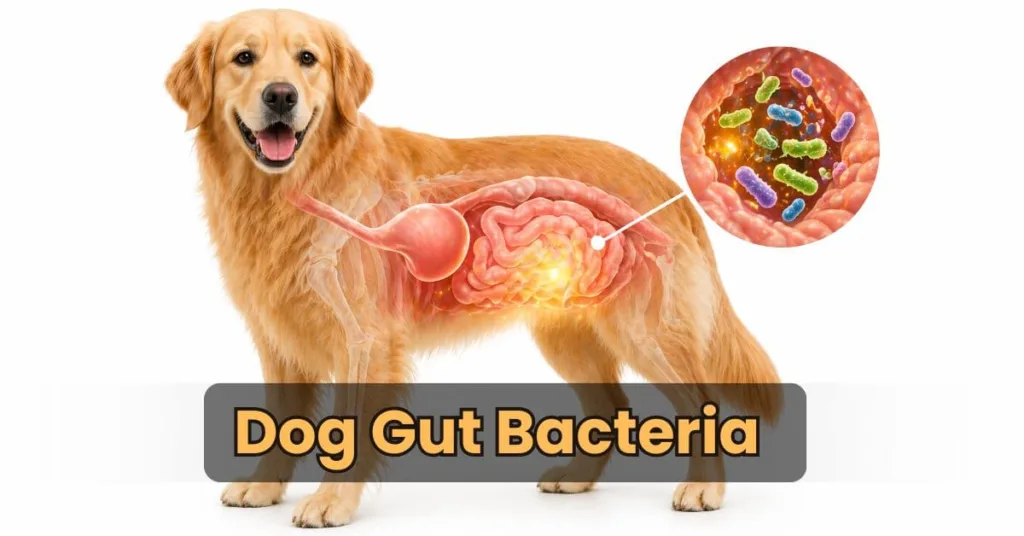
Most dog owners focus heavily on what they’re feeding their dog—whether it’s dry kibble, wet food, or homemade meals. But what many don’t realize is that the real foundation of a healthy dog doesn’t just come from the food bowl. It actually starts deep inside your dog’s digestive system, in something called dog gut bacteria.
This community of tiny microorganisms, also known as the gut microbiome, plays a much bigger role than most people think. It doesn’t just help your dog digest food—it directly affects how nutrients are absorbed, how strong your dog’s immune system is, and even how their skin and coat look. In simple terms, if your dog’s gut is healthy, almost everything else tends to stay in balance.
When your dog gut bacteria is balanced, you’ll often notice positive signs like firm, regular stools, steady energy levels, a shiny coat, and fewer digestive issues. On the other hand, when this balance is disrupted—something that can happen due to poor diet, stress, sudden food changes, or medications—you may start seeing problems like diarrhea, gas, bloating, bad-smelling stool, itching, or recurring stomach upset.
The tricky part is that many of these symptoms are often treated individually, without realizing that the root cause may be linked to gut health. That’s why understanding how gut bacteria works—and how to support it naturally—is one of the most important steps you can take to improve your dog’s overall health in a long-term, sustainable way.
What Is Gut Bacteria in Dogs?
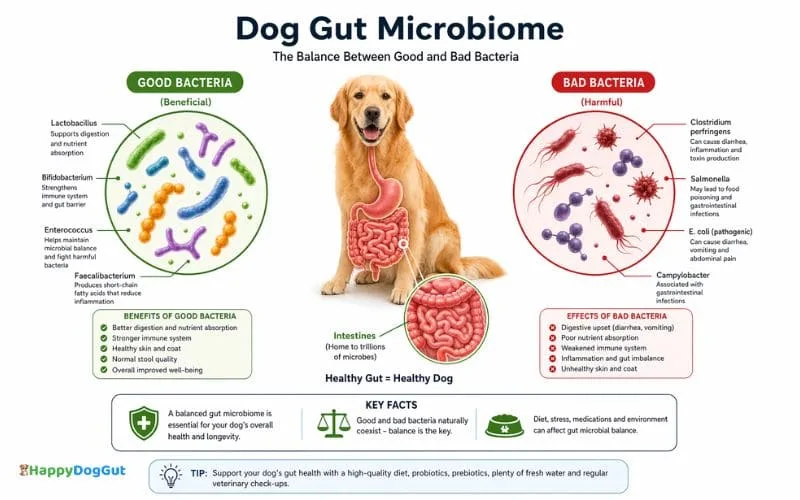
Gut bacteria in dogs refers to the millions of microscopic organisms that live inside your dog’s digestive system, mainly in the intestines. These microorganisms include beneficial bacteria, harmful bacteria, and other microbes that together form what’s known as the dog gut microbiome.
Think of it like a hidden system inside your dog’s body that’s constantly working behind the scenes. Even though you can’t see it, it plays a major role in how your dog digests food, absorbs nutrients, and stays healthy overall.
🧬 The Dog Gut Microbiome
The term microbiome might sound complicated, but it’s actually pretty simple. It just refers to the entire community of bacteria living in your dog’s gut.
👉 A helpful way to understand this is to imagine your dog’s gut as a mini ecosystem.
- The good bacteria are like helpful workers—they support digestion, protect against harmful microbes, and keep everything running smoothly.
- The bad bacteria are the troublemakers—they can cause issues like diarrhea, inflammation, and digestive discomfort if they grow out of control.
When this ecosystem is balanced, everything functions properly. But if harmful bacteria start to dominate, it can quickly lead to digestive problems and other health issues.
⚖️ Good vs Bad Bacteria: Why Balance Matters
Not all bacteria are bad—in fact, your dog actually needs good bacteria to stay healthy.
Here’s how it works:
- Good bacteria
- Help break down food
- Support nutrient absorption
- Strengthen the immune system
- Keep harmful bacteria in check
- Bad bacteria
- Can cause infections
- Lead to diarrhea or loose stool
- Trigger inflammation in the gut
👉 The key is balance.
A healthy dog doesn’t have only good bacteria—it has a balanced mix. Problems start when this balance is disturbed, a condition often referred to as gut imbalance.
🐾 Why Gut Balance = Overall Health
When your dog’s gut bacteria is balanced, you’ll usually notice:
- Consistent, firm stools
- Better digestion
- Less gas and bloating
- Stronger immunity
- Healthier skin and coat
But when that balance is off, even slightly, it can affect multiple areas of your dog’s health—not just digestion.
🐾 Important for Gut Health
To keep your dog’s gut microbiome healthy and balanced, certain nutrients play a crucial role—especially when it comes to supporting beneficial bacteria.
Two of the most important components are Probiotics and Prebiotics, and both work together to maintain a stable digestive system.
- Probiotics are beneficial bacteria that help restore balance in your dog’s gut, especially after issues like diarrhea, antibiotics, or digestive upset. If you’re not sure where to start, you can explore these Best Probiotics for dogs with sensitive stomachs to understand how they support gut health.
- Prebiotics, on the other hand, act as food for those good bacteria. They help beneficial microbes grow and thrive, making the gut environment more stable over time. You can learn more about how they work in this detailed guide on Prebiotics for Gut health in dogs.
When both probiotics and prebiotics are included in your dog’s diet, they create a stronger, more balanced gut environment—leading to better digestion, improved stool quality, and overall health.
What Does Dog Gut Bacteria Actually Do?
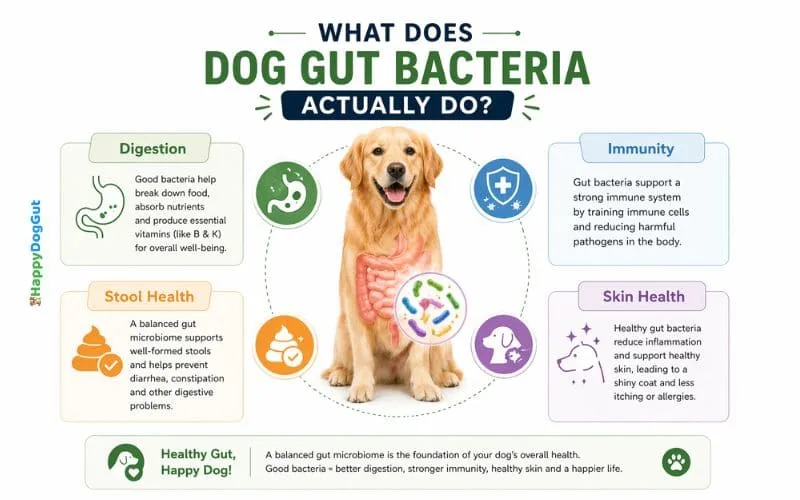
Your dog’s gut bacteria isn’t just sitting there—it’s constantly working behind the scenes to keep your dog healthy. From digestion to immunity and even skin health, this internal system plays a much bigger role than most pet owners realize.
Let’s break down exactly what it does:
🍽️ Helps Digest Food Properly
One of the primary roles of gut bacteria is to help your dog break down food efficiently.
Even high-quality dog food can’t be fully utilized without a healthy gut. Beneficial bacteria help:
- Break down proteins, fats, and carbohydrates
- Improve nutrient absorption
- Prevent partially digested food from passing into the stool
If your dog’s gut bacteria is out of balance, you may notice signs like undigested food in stool or inconsistent digestion. Adding the right nutrients—like those found in High-fiber dog foods for firm stool —can help support better digestion and stabilize the gut environment.
🛡️ Strengthens the Immune System
Many dog owners are surprised to learn that a large portion of the immune system is directly connected to the gut.
In fact, around 70% of your dog’s immune function is linked to gut health.
Healthy gut bacteria:
- Help fight harmful pathogens
- Reduce the risk of infections
- Support the body’s natural defense system
When the gut microbiome is balanced, your dog is better equipped to handle environmental stressors and potential illnesses.
💩 Controls Stool Quality
If you want to understand your dog’s gut health, just look at their stool.
Balanced gut bacteria help maintain:
- Firm, well-formed stools
- Regular bowel movements
- Reduced risk of diarrhea
On the other hand, an imbalance can lead to loose stool, frequent diarrhea, or excessive gas. If your dog struggles with these issues, it may be linked to deeper digestive sensitivities, such as those explained in Best Dog Foods for Gas and Bloating in dogs.
🐾 Impacts Skin and Allergies
Gut health doesn’t just affect digestion—it also has a strong connection to your dog’s skin and overall inflammation levels.
When gut bacteria is imbalanced, it can trigger:
- Itchy skin
- Ear infections
- Food-related allergies
- Chronic inflammation
This is often referred to as the gut-skin connection. In many cases, underlying digestive issues—like those discussed in Signs of Food Intolerance in dogs —can show up as skin problems rather than obvious stomach issues.
When your dog’s gut bacteria is balanced, all these systems work together smoothly—digestion improves, immunity strengthens, and overall health becomes more stable.
But when that balance is disrupted, problems don’t just stay in the gut—they start affecting your dog’s entire body.
Signs Your Dog’s Gut Bacteria Is Out of Balance
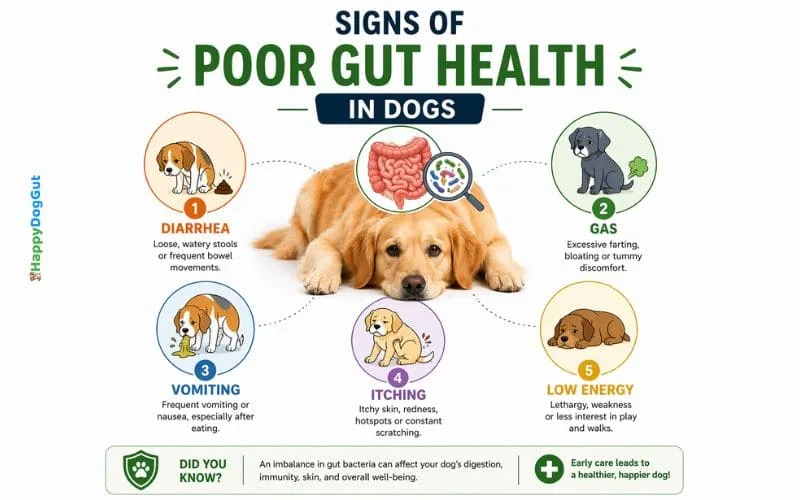
When your dog’s gut bacteria becomes imbalanced, the body often gives subtle (and sometimes obvious) warning signs. The challenge is that many of these symptoms are easy to overlook or treat separately—without realizing they may all point back to gut health.
Here are the most common signs to watch for:
💩 Frequent Diarrhea or Loose Stool
If your dog regularly has soft or watery stools, it’s often one of the clearest indicators of gut imbalance. Occasional digestive upset is normal, but chronic or recurring diarrhea may signal deeper gut issues. You can learn more about long-term cases in Best dog foods for Chronic diarrhea that support long-term gut health.
💨 Excessive Gas or Bloating
A healthy digestive system shouldn’t produce excessive gas. If your dog frequently passes gas or shows signs of bloating, it may mean that food isn’t being properly broken down—often due to an imbalance in gut bacteria.
🤢 Bad-Smelling Poop
While dog poop never smells great, an unusually strong or foul odor can be a red flag. This often happens when harmful bacteria dominate the gut. For a deeper breakdown of what different smells can indicate, check Why does my dog’s poop smell so bad.
🤮 Vomiting or Upset Stomach
Occasional vomiting can happen, but frequent or unexplained vomiting may point to digestive instability. When gut bacteria is off balance, it can irritate the stomach and lead to repeated upset episodes.
🐾 Itchy Skin or Ear Infections
Not all gut issues show up as digestive problems. In many dogs, an unhealthy gut can trigger inflammation that appears as itchy skin, redness, or recurring ear infections. This is part of the gut-skin connection, which is often overlooked.
😴 Low Energy or Lethargy
If your dog seems unusually tired or less active, poor gut health could be affecting nutrient absorption. When the body isn’t getting what it needs from food, energy levels can drop.
⚡Tip: 👉 If your dog shows 2–3 of these signs at the same time, there’s a strong chance that gut bacteria imbalance is the underlying issue.
Catching these symptoms early can make a big difference. The sooner you address gut imbalance, the easier it is to restore your dog’s digestive health and prevent more serious issues from developing later.
What Causes Gut Bacteria Imbalance in Dogs?
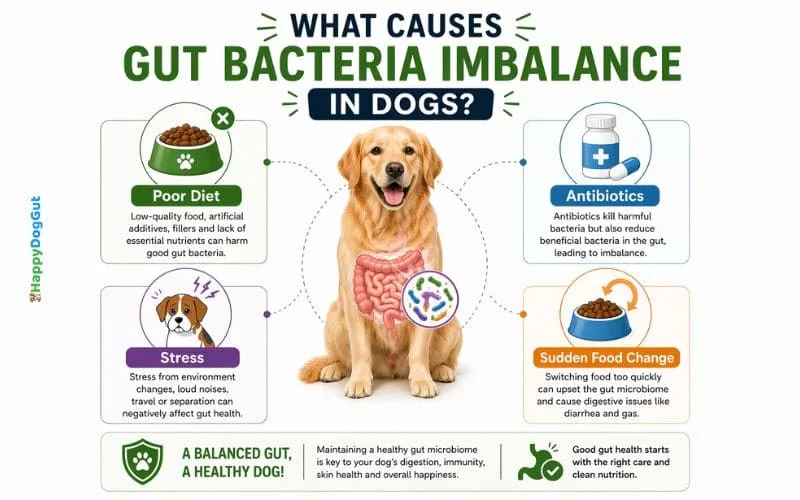
A healthy gut depends on balance—but that balance can be easily disrupted by everyday factors. Many dog owners unknowingly make small mistakes that slowly affect their dog’s gut bacteria over time.
Understanding the root causes is important because without fixing them, digestive problems can keep coming back—even if you temporarily manage the symptoms.
Let’s look at the most common reasons behind gut imbalance:
🍽️ Poor Quality Diet
One of the biggest causes of gut imbalance is feeding low-quality dog food.
Many commercial dog foods contain:
- Artificial additives and preservatives
- Low-quality protein sources
- Fillers like corn, soy, or by-products
These ingredients are harder to digest and can negatively affect the balance of good bacteria in your dog’s gut.
Over time, this can lead to:
- Poor nutrient absorption
- Increased gas and bloating
- Chronic digestive issues
👉 A cleaner, high-quality diet supports beneficial bacteria and helps maintain long-term gut health.
🔄 Sudden Food Changes
Switching your dog’s food too quickly can shock their digestive system.
Your dog’s gut bacteria adapts to a specific type of diet. When you suddenly introduce a new food, the existing bacteria may struggle to process it properly.
This often leads to:
- Loose stool
- Diarrhea
- Upset stomach
👉 That’s why it’s important to follow a gradual transition plan, like the one explained in Dog Food Transition Guide: How to switch without stomach upset.
💊 Antibiotics
While antibiotics are sometimes necessary to treat infections, they can also disrupt gut balance.
The problem is that antibiotics don’t just kill harmful bacteria—they also destroy beneficial bacteria in the gut.
This can result in:
- Digestive instability
- Increased risk of diarrhea
- Weakened gut health
After antibiotic use, it often takes time (and support) for the gut microbiome to rebuild.
😟 Stress and Anxiety
Many people don’t realize that stress can directly affect a dog’s digestion.
Situations like:
- Travel
- Changes in routine
- New environments
- Separation anxiety
Can disrupt the gut-brain connection and lead to digestive issues.
This may show up as:
- Loose stool
- Reduced appetite
- Increased sensitivity to food
⚠️ Food Intolerance
Food intolerance is another major cause of gut imbalance, especially in dogs with sensitive stomachs.
When a dog reacts poorly to certain ingredients (like chicken, dairy, or grains), it can cause inflammation in the gut. Over time, this disrupts the balance of bacteria and leads to ongoing digestive problems.
Common signs include:
- Recurring diarrhea
- Gas and bloating
- Skin issues
👉 If you suspect this, it’s important to understand the early signs, as explained in Signs of Food Intolerance in dogs.
Many dog owners try to fix symptoms like diarrhea or gas without addressing the root cause. But unless you identify what’s actually disrupting your dog’s gut bacteria, the problem will likely return.
👉 Fixing gut health starts with removing the trigger—not just treating the symptoms.
How Gut Bacteria Affects Your Dog’s Overall Health
Many dog owners don’t realize this, but gut health isn’t just about digestion—it affects your dog’s entire body.
When your dog gut bacteria is balanced, everything works smoothly. But when that balance is disrupted, the effects don’t stay limited to the stomach. They start showing up in different ways across your dog’s health, often in ways that seem unrelated at first.
Let’s break down how deeply gut bacteria impacts your dog:
🍽️ Digestion Problems Start First
The first and most obvious impact of poor gut bacteria is on digestion.
When beneficial bacteria are reduced, your dog may struggle to properly break down food. This can lead to:
- Loose stools or diarrhea
- Gas and bloating
- Undigested food in stool
- Irregular bowel movements
Over time, even a good-quality diet may not be enough if the gut isn’t functioning properly.
🛡️ Weak Immune System
Your dog’s immune system is closely connected to the gut.
When gut bacteria is out of balance:
- The body becomes more vulnerable to infections
- Recovery from illness slows down
- Inflammation levels can increase
Dogs with poor gut health often get sick more easily or take longer to recover from minor health issues.
🤒 Frequent Illness and Sensitivity
An unhealthy gut can make your dog more sensitive overall.
You might notice:
- Frequent stomach upsets
- Increased reactions to new foods
- Difficulty adjusting to diet changes
This happens because the gut is no longer stable enough to handle small changes or external stress.
🐾 Skin Allergies and Itching
Many dog owners treat skin problems as separate issues—but in many cases, the root cause is inside the gut.
When gut bacteria is imbalanced:
- It can trigger inflammation
- Lead to itchy skin, redness, or hot spots
- Cause recurring ear infections
This is known as the gut-skin connection, where digestive health directly affects skin condition.
⚠️ Risk of Chronic Gut Issues
If gut imbalance continues for a long time, it can develop into more serious conditions such as:
- Chronic diarrhea
- Food sensitivities
- Inflammatory Bowel Disease (IBD)
- Long-term digestive instability
These conditions are harder to manage and often require long-term dietary changes and gut support.
If your dog is already dealing with ongoing digestive problems, choosing the right diet—like those discussed in Best dog foods for chronic diarrhea that support long-term gut health —can play a key role in managing symptoms and improving gut balance.
Gut bacteria acts like a control center for your dog’s health.
When it’s balanced, your dog feels better, digests food properly, and stays more resilient. But when it’s disrupted, even small issues can turn into ongoing health problems.
👉 That’s why improving gut health isn’t just about fixing digestion—it’s about supporting your dog’s overall well-being in the long run.
How to Improve Your Dog’s Gut Bacteria Naturally
Improving your dog’s gut bacteria doesn’t require complicated treatments—in most cases, simple and consistent changes can make a noticeable difference. The key is to support beneficial bacteria while reducing the factors that disrupt gut balance.
Here are some of the most effective, vet-informed ways to naturally improve your dog’s gut health:
🦠 Add Probiotics
Probiotics are one of the fastest ways to support your dog’s gut bacteria.
They introduce beneficial bacteria into the digestive system, helping restore balance—especially after issues like diarrhea, antibiotic use, or stomach upset.
Regular use of probiotics can help:
- Improve digestion
- Reduce diarrhea
- Support immune health
👉 If you’re considering adding one, check this detailed guide on Best Probiotics for dogs with sensitive stomachs to choose the right option.
🌱 Include Prebiotics
Prebiotics work differently from probiotics—but they’re just as important.
Instead of adding bacteria, prebiotics act as food for good bacteria, helping them grow and thrive naturally inside the gut.
Benefits include:
- Stronger gut microbiome
- Better long-term digestion
- Improved stool quality
👉 You can learn how they work and when to use them in this guide on Prebiotics for Gut health in dogs.
🍽️ Feed a High-Quality Diet
Your dog’s diet directly affects gut bacteria every single day.
Low-quality food with fillers and artificial ingredients can harm the gut, while high-quality, balanced nutrition supports beneficial bacteria.
Look for:
- Limited ingredient formulas
- Easily digestible proteins
- No artificial additives
👉 If you’re unsure where to start, this Best Dog Food for sensitive stomachs guide can help you choose better options.
🌾 Add Fiber to the Diet
Fiber plays a key role in maintaining gut balance.
It helps regulate digestion and provides support for beneficial bacteria, especially in dogs with loose stool or irregular bowel movements.
Adding the right type of fiber can:
- Improve stool consistency
- Reduce digestive upset
- Support gut bacteria growth
👉 You can explore options in this guide on Best fiber supplements for dogs with sensitive stomachs.
🔄 Avoid Sudden Diet Changes
One of the most common mistakes dog owners make is switching food too quickly.
Sudden changes can disrupt gut bacteria and lead to:
- Diarrhea
- Gas
- Digestive stress
👉 Instead, follow a gradual transition process as explained in Dog Food Transition Guide: How to switch without stomach upset.
🔁 Use a Gut Reset When Needed
If your dog is already dealing with digestive issues, sometimes the best approach is to give the gut a chance to reset.
A short-term gut reset can help:
- Calm inflammation
- Restore balance
- Improve digestion
👉 You can follow a structured plan like this Dog Gut Reset Protocol: 48–72 hour plan for sensitive stomachs to safely support recovery.
Improving gut health isn’t about one quick fix—it’s about consistent, daily habits.
Small changes like better diet, proper supplementation, and gradual transitions can significantly improve your dog’s digestion, energy levels, and overall health over time.
Best Foods That Support Healthy Gut Bacteria
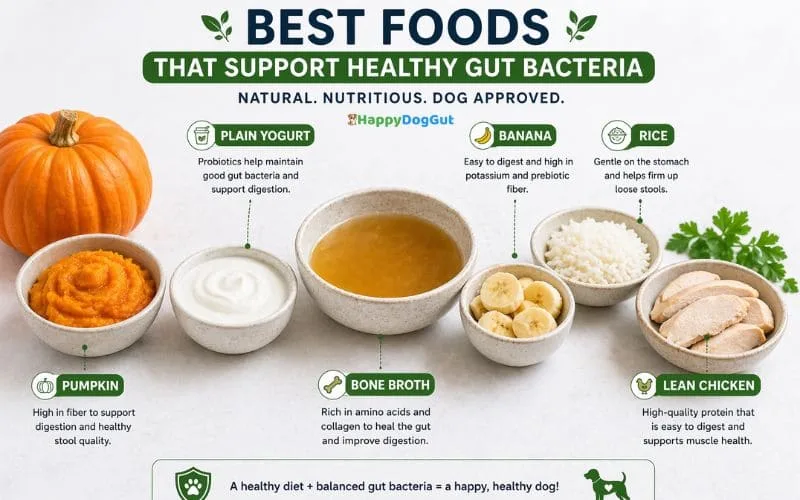
The food you give your dog every day has a direct impact on their gut bacteria. Certain natural and easily digestible foods can help support beneficial bacteria, improve digestion, and keep the gut environment balanced.
Here are some of the best gut-friendly foods you can safely include in your dog’s diet:
🎃 Pumpkin (Natural Digestive Support)
Pumpkin is one of the most recommended foods for supporting gut health in dogs.
It’s rich in soluble fiber, which helps regulate digestion and balance stool consistency—whether your dog is dealing with diarrhea or mild constipation.
Benefits of pumpkin:
- Helps firm up loose stool
- Supports healthy digestion
- Feeds beneficial gut bacteria
👉 If you want to know how to use it safely, check this guide on Can I give my dog pumpkin for a sensitive stomach.
🥣 Plain Yogurt (Natural Probiotic Source)
Plain, unsweetened yogurt can act as a natural source of probiotics.
It contains live beneficial bacteria that can help improve gut balance and support digestion. However, it should always be given in small amounts and only if your dog tolerates dairy.
Benefits:
- Supports healthy gut bacteria
- Helps improve digestion
- May reduce mild digestive upset
⚠️ Tip: Always choose plain yogurt with no added sugar or artificial sweeteners.
🍲 Bone Broth (Gut Healing Support)
Bone broth is a gentle, nutrient-rich addition that’s especially helpful for dogs recovering from digestive issues.
It contains:
- Amino acids
- Collagen
- Easily digestible nutrients
These help soothe the digestive tract and support overall gut health.
Benefits:
- Easy on the stomach
- Helps hydration
- Supports gut lining
🌾 Fiber-Rich Foods (Essential for Balance)
Fiber is one of the most important nutrients for maintaining a healthy gut.
It helps regulate digestion and provides nourishment for beneficial bacteria.
Common fiber-rich options include:
- Pumpkin
- Sweet potatoes
- Certain vegetables (in safe amounts)
👉 For more structured options, you can explore Best fiber supplements for dogs with sensitive stomachs to support stool consistency and gut balance.
🥩 Limited Ingredient Diets (Reduce Gut Stress)
For dogs with sensitive stomachs, fewer ingredients often mean better digestion.
Limited ingredient diets are designed to:
- Reduce exposure to potential allergens
- Simplify digestion
- Support gut stability
These diets are especially helpful for dogs dealing with food intolerance or recurring digestive issues.
👉 You can explore suitable options in this guide on Best limited ingredient dog foods for sensitive stomachs.
Not every dog responds the same way to food, so it’s important to introduce new items gradually and observe how your dog reacts.
A combination of the right foods, proper portions, and consistency can significantly improve your dog’s gut bacteria and overall digestive health.
How Long Does It Take to Restore Gut Bacteria?
One of the most common questions dog owners ask is how quickly gut health can improve. The honest answer is—it depends on how severe the imbalance is and what steps you take to fix it.
Gut bacteria doesn’t reset overnight, but with the right approach, you can start seeing improvements relatively quickly.
Here’s a realistic timeline to set your expectations:
🟢 Mild Gut Imbalance (2–3 Days)
If your dog has a minor upset—like occasional loose stool or mild stomach discomfort—improvements can often be seen within a few days.
This usually happens when:
- The issue is diet-related
- There’s no underlying health condition
- You take quick action (simple diet adjustments, hydration, light foods)
In such cases, the gut can rebalance fairly quickly with basic support.
🟡 Moderate Issues (1–2 Weeks)
For more noticeable digestive problems—like recurring loose stool, gas, or sensitivity—it may take a bit longer.
During this phase:
- The gut bacteria needs time to rebuild
- Diet changes start showing results
- Stool consistency gradually improves
Consistency is key here. Sudden changes or inconsistent feeding can delay recovery.
🔴 Severe Gut Imbalance (4–8 Weeks)
In cases of long-term digestive issues, recovery takes more time.
This includes:
- Chronic diarrhea
- Food intolerances
- Ongoing gut inflammation
Here, the gut microbiome needs to be restored slowly through proper diet, supplementation, and careful management.
Gut imbalance may contribute to unusual digestive behaviors, including grass eating and vomiting. Learn more in 👉 Dog eats Grass then Vomits: Should you worry?.
In such situations, following a structured approach like this Dog Gut Reset Protocol: 48–72 hour plan for sensitive stomachs can help stabilize digestion and support recovery in the early stages.
🧠 What Affects Recovery Time?
Several factors influence how quickly your dog’s gut bacteria improves:
- Diet quality
- Consistency in feeding
- Use of probiotics/prebiotics
- Underlying health conditions
- Stress levels
Improving gut health is not a one-time fix—it’s a gradual process.
👉 Some dogs respond quickly, while others need time. The goal is not just quick relief, but long-term stability and prevention of future issues.
When Should You See a Vet?
While many mild digestive issues can be managed at home, there are times when gut problems may signal something more serious. Knowing when to involve a veterinarian is important to avoid complications and ensure your dog gets the right care.
Here are the key warning signs you should never ignore:
🩸 Blood in Stool
If you notice blood in your dog’s stool—whether it’s bright red or dark and tarry—it can indicate inflammation, infection, or a more serious internal issue.
👉 This is not something to monitor casually. It’s best to seek veterinary advice as soon as possible, especially if it appears alongside diarrhea or lethargy.
🤮 Persistent Vomiting
Occasional vomiting can happen, but if your dog vomits repeatedly within a short period or over multiple days, it may point to deeper digestive problems.
Persistent vomiting can lead to dehydration and may indicate:
- Gut inflammation
- Infection
- Food intolerance
⚖️ Unexplained Weight Loss
If your dog is losing weight without any change in diet or activity level, it could mean they’re not properly absorbing nutrients.
This is often linked to:
- Chronic gut imbalance
- Digestive disorders
- Long-term health issues
💩 Severe or Ongoing Diarrhea
Mild diarrhea can resolve on its own, but severe or long-lasting diarrhea needs attention.
Watch for:
- Diarrhea lasting more than 2–3 days
- Very watery stool
- Signs of dehydration
👉 To better understand when diarrhea becomes a concern, you can read When to worry about diarrhea in dogs and When to see a vet for loose stool.
Many gut-related problems are easier to treat when caught early. Waiting too long can allow minor issues to turn into more serious conditions.
👉 If symptoms are severe, last more than a few days, or appear together—seek veterinary help immediately.
❓ FAQs About Dog Gut Bacteria and Gut Health
What kills good bacteria in dogs?
Several everyday factors can disrupt or kill the beneficial bacteria in your dog’s gut, often without owners realizing it.
The most common cause is antibiotic use. While antibiotics are necessary in many cases, they don’t just target harmful bacteria—they also wipe out beneficial bacteria, which can leave the gut unbalanced.
Other factors include:
Poor-quality dog food with artificial additives
Sudden changes in diet
Chronic stress or anxiety
Exposure to toxins or contaminated food
Overuse of certain medications1
When good bacteria are reduced, harmful bacteria can quickly take over, leading to digestive issues like diarrhea, gas, and inflammation.
👉 The key to prevention is maintaining a consistent, high-quality diet and supporting the gut with proper nutrition and supplements when needed.
Can probiotics fix gut health in dogs?
Probiotics can play a very important role in improving gut health, but they are not a magic, instant fix.
Probiotics work by introducing beneficial bacteria into your dog’s digestive system. This helps restore balance, especially after events like diarrhea, illness, or antibiotic use.
However, for probiotics to be effective:
They need to be used consistently
They should be combined with proper diet
The underlying cause of gut imbalance must be addressed
In many cases, probiotics help reduce symptoms like loose stool, gas, and digestive discomfort—but long-term gut health requires a combination of diet, lifestyle, and consistency.
👉 Think of probiotics as a support tool, not a complete solution on their own.
Is yogurt good for dogs with gut issues?
Plain yogurt can be beneficial for some dogs because it contains natural probiotics, but it’s not suitable for every dog.
When used correctly:
It can support beneficial bacteria
Help improve mild digestive issues
Provide a natural source of probiotics
However, there are a few important considerations:
Always use plain, unsweetened yogurt (no added sugar or artificial sweeteners)
Some dogs are lactose intolerant, which can make symptoms worse
It should be given in small amounts only
👉 Yogurt can be a helpful addition, but it shouldn’t replace proper gut support strategies like balanced diet and targeted supplementation.
How do I know if my dog has gut problems?
Gut problems in dogs don’t always show up clearly, which is why many owners miss the early signs.
Some of the most common indicators include:
Frequent diarrhea or soft stools
Excessive gas or bloating
Bad-smelling stool
Vomiting or upset stomach
Itchy skin or recurring ear infections
Low energy levels
In many cases, these symptoms may appear mild at first but become more frequent over time.
👉 A good rule to follow:
If your dog shows multiple symptoms together or repeatedly, it’s very likely linked to gut imbalance.
Early detection makes it much easier to fix the issue before it turns into a chronic problem.
Can diet alone fix gut issues in dogs?
Diet plays a major role in gut health, and in many mild to moderate cases, improving your dog’s diet can significantly improve digestive issues.
Switching to:
High-quality, easily digestible food
Limited ingredient diets
Fiber-rich and balanced meals
can help restore gut balance over time.
However, diet alone may not always be enough—especially in more severe cases.
For example:
Dogs recovering from antibiotics may need probiotics
Chronic issues may require long-term management
Food intolerances may require elimination diets
👉 So while diet is the foundation, a complete approach often works best.
How long does it take to improve gut health in dogs?
The timeline for improving gut health depends on how severe the issue is.
Mild problems may improve within a few days
Moderate digestive issues may take 1–2 weeks
Chronic gut problems can take several weeks to months
Consistency is the most important factor. Quick fixes may provide temporary relief, but lasting improvement comes from maintaining a stable diet and routine.
👉 Patience is key—gut health improvement is a gradual process, not an overnight change.
What foods help restore gut bacteria in dogs?
Certain foods can naturally support and restore healthy gut bacteria when included in your dog’s diet.
Some of the most effective options include:
Pumpkin (for fiber support)
Bone broth (for gut lining support)
Plain yogurt (in small amounts)
High-fiber vegetables (safe and balanced)
Limited ingredient dog food
These foods help create an environment where beneficial bacteria can grow and thrive.
👉 However, always introduce new foods slowly and monitor your dog’s response.
Can poor gut health cause long-term problems in dogs?
Yes, untreated gut imbalance can lead to more serious long-term health issues.
If left unaddressed, poor gut health may contribute to:
Chronic diarrhea
Food sensitivities or allergies
Skin issues and inflammation
Weak immune system
Conditions like IBD (Inflammatory Bowel Disease)
Over time, these issues can become harder to manage and may require long-term treatment.
👉 That’s why it’s important to address gut health early—before small issues turn into chronic conditions.
Final Thoughts
Improving your dog’s gut health isn’t about finding a quick fix—it’s a long-term process that requires consistency and patience. Many digestive issues don’t develop overnight, and in the same way, they don’t disappear instantly either.
The good news is that even small, consistent changes can make a big difference over time. Simple steps like improving your dog’s diet, supporting gut bacteria with the right nutrients, and avoiding sudden changes can gradually restore balance and improve overall health.
It’s also important to remember that prevention is always easier than treatment. Taking care of your dog’s gut before problems become serious can help you avoid long-term health issues, costly vet visits, and ongoing discomfort for your pet.
At the end of the day, a healthy gut means a healthier, happier dog. By understanding how gut bacteria works and making smarter choices daily, you’re not just fixing digestive issues—you’re supporting your dog’s overall well-being for the long run.

Hi, I’m Maddy, the writer behind HappyDogGut.com.I’m passionate about helping dog parents better understand gut health, sensitive stomachs, and nutrition through clear, practical, and research-based content. Every article is carefully researched using trusted veterinary and pet health resources, so you can make more informed decisions for your dog’s digestive health.Happy Gut = Happy Dog! 🐾
All content on Happy Dog Gut follows our Editorial Policy.

Pingback: Best Probiotics for Dogs with Sensitive Stomachs (Vet-Reviewed)
Pingback: How to Calm a Dog’s Upset Stomach Naturally (Vet-Approved 2026)
Pingback: Dog Gut Reset Protocol (48–72 Hour Plan That Works)
Pingback: Signs Your Dog’s Gut Is Healing: Recovery Timeline & What to Expect