
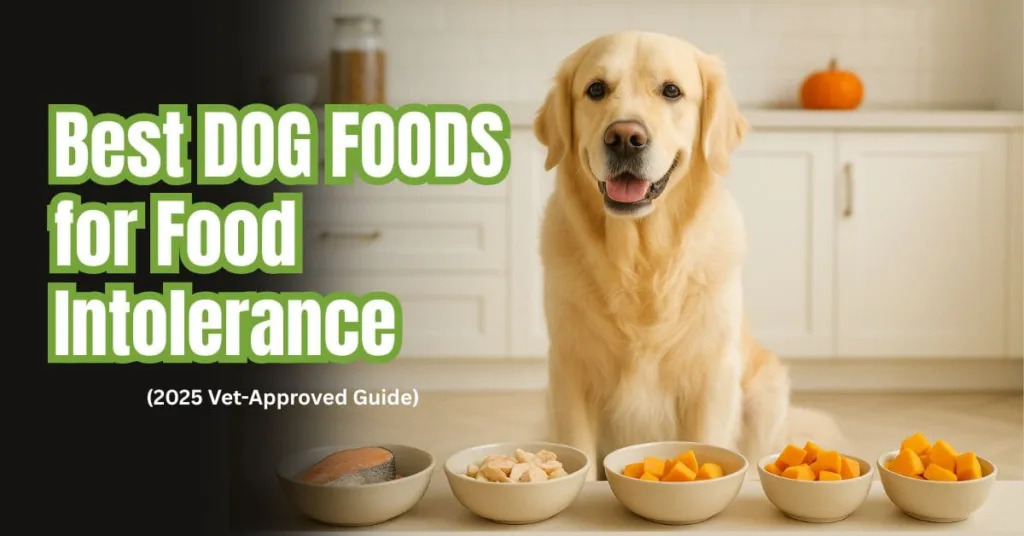
Food intolerance in dogs is becoming increasingly common—especially in the U.S., where many pups are exposed to the same proteins, processed treats, and filler-heavy diets for years. When a dog develops food intolerance, the symptoms can be confusing at first: some dogs struggle with recurring soft stools, others with constant paw licking or itching, and many pet parents notice mild digestive flare-ups that come and go. But over time, these reactions can turn into chronic discomfort if the diet isn’t corrected.
That’s why choosing the best dog foods for food intolerance is one of the most important steps you can take for your dog’s long-term gut and skin health. The right food reduces inflammation, calms digestion, supports balanced stool, and eliminates triggering ingredients that are quietly upsetting your dog’s system. Whether your dog reacts to chicken, beef, grains, dairy, or certain additives, a well-selected diet can completely transform how they feel.
Understanding why these reactions happen also helps you choose the right recipe. If you’re unsure what’s causing your dog’s symptoms, start by reviewing our guide on What Causes Sensitive Stomach in Dogs? for a deeper look at triggers. And if your dog is already showing chronic digestive or skin symptoms, our detailed post on Signs of Food Intolerance in Dogs explains exactly what to watch for.
What Is Food Intolerance in Dogs?
Food intolerance in dogs is much more common than most pet parents realize — and it’s very different from a true food allergy. While allergies trigger an immune response, food intolerance is purely a digestive issue, meaning your dog’s system simply can’t break down or process a certain ingredient. This often leads to chronic soft stools, gas, bloating, smelly farts, mucus in stool, or diarrhea after meals — symptoms many owners mistakenly ignore as “normal.”

In simple terms, food intolerance = irritation inside the digestive tract. When your dog eats an ingredient their gut struggles with, it causes inflammation in the intestines, disrupting digestion and nutrient absorption. Over time, this can lead to:
- Recurring upset stomach
- Loose, mushy stools
- Poor stool formation
- Irregular appetite
- Occasional vomiting after meals
Food intolerance is also different from mild sensitivity. A sensitive stomach may flare up occasionally, but true intolerance causes ongoing and predictable symptoms, especially after eating certain proteins like chicken, beef, or dairy.
This is why veterinarians emphasize diet as the #1 treatment. When you eliminate the irritating ingredient and switch to a gentle, highly digestible formula, most dogs improve within days.
If your dog regularly has soft stools but seems otherwise normal, that’s one of the most common early signs. You can learn more in our guide:
👉 Why Does My Dog Have Soft Stools but Is Acting Normal?
Identifying intolerance early helps prevent long-term inflammation, gut imbalance, and chronic digestive distress — making the right food choice essential.
Symptoms That Indicate Your Dog Needs a Food-Intolerance Diet
Food intolerance in dogs often shows up slowly — and most pet parents mistake early signs for “normal tummy issues.” But when these symptoms happen regularly, it’s a strong sign your dog needs a food-intolerance diet or one of the best dog foods for food intolerance to support healthy digestion.
Below are the vet-approved signs, categorized to help you identify your dog’s triggers more easily.
A. Digestive Symptoms (Most Common Early Warning Signs)
Digestive problems are the clearest indicator that your dog isn’t tolerating an ingredient in their food. If you notice these regularly, your dog may benefit from switching to a food-intolerance diet:
- Chronic soft stool
- Recurring diarrhea, especially after meals
- Gas or bloating (stomach gurgling sounds)
- Vomiting after eating
- Mucus in the stool (shows gut irritation)
- Smelly farts that are stronger than usual
All of these suggest your dog’s GI system is struggling to digest a specific ingredient like chicken, beef, dairy, egg, or wheat.
If your dog’s food intolerance shows up mainly as soft, mushy stool, switching to a high-fiber dog food designed to firm stool can help balance the gut and reduce flare-ups
And, If your dog’s diarrhea keeps coming back, switching to a gentle recovery meal can help. You can see exactly what to give (and how much) in our vet-approved guide on what to feed a dog after diarrhea.
Many dogs recover quickly on a bland diet. If you need the exact recipe, you can follow our step-by-step guide for homemade chicken and rice for dogs with diarrhea.

B. Skin Symptoms (Often Overlooked But Highly Accurate)
Food intolerance doesn’t only affect the stomach — it often appears on the skin because inflammation starts inside the gut.
Watch for:
- Paw licking or chewing
- Recurring ear infections
- Redness between the toes or the belly
- Hot spots or irritated patches
These are classic signs that your dog’s body is reacting to something in their food — usually protein sources like chicken, beef, or dairy.

C. Behavioral Symptoms (Subtle, But Important)
Dogs can’t tell us when food is hurting their stomach, but their behavior speaks for them.
Common signs include:
- Restlessness after eating
- Becoming itchy during or after meals
- Refusing kibble or showing sudden pickiness
These behaviors often happen because eating has become uncomfortable or irritating to the digestive tract.
D. Stool Quality Signs (Most Reliable Indicator)
Changes in stool texture or pattern are one of the strongest predictors of food intolerance.
Look for:
- Alternating diarrhea and constipation
- Undigested food is visible in stool
- Soft stool but dog acting normal (very common!)
This last sign is extremely easy to miss — many dogs behave normally while their gut is inflamed underneath.
Check Out our Detailed Guide:
👉 Signs of Food Intolerance in Dogs (Full Vet Guide)

Why Diet Matters for Food Intolerance (Vet-Approved Explanation)
When it comes to managing food intolerance in dogs, the right diet isn’t optional — it’s the treatment. Unlike temporary stomach upset, food intolerance is a chronic digestive reaction that keeps returning until you remove the problem ingredient. That’s why choosing the best dog foods for food intolerance can make the difference between daily stomach issues and a comfortable, symptom-free life.
A proper food-intolerance diet helps your dog in several key ways:
✔️ 1. Reduces Inflammation in the Gut
Trigger proteins (like chicken, beef, dairy, or wheat) irritate the intestinal lining.
A clean, limited-ingredient, or sensitive-stomach formula removes these irritants, allowing the gut to heal naturally over time.
✔️ 2. Improves Gut Flora & Digestion
Food intolerance often disrupts the microbiome, causing:
- Gas
- Bloated belly
- Diarrhea
- Soft, mushy stool
Selecting the right food — especially formulas with probiotics or prebiotic fibers — helps restore healthy gut bacteria so digestion becomes smoother and more predictable.
✔️ 3. Eliminates Trigger Ingredients
Dogs with food intolerance often react to one or two common ingredients (chicken, beef, dairy, wheat).
A properly chosen diet eliminates the irritant, so the stomach no longer overreacts.
This is why many vets recommend:
- Limited Ingredient Diets (LID)
- Single-protein diets
- Hypoallergenic or sensitive-stomach formulas
These diets keep the ingredient list simple and predictable — ideal for dogs with recurring digestive issues.
✔️ 4. Helps Reset Digestion in 2–6 Weeks
Most dogs start improving within:
- 2–3 days → Less gas & less bloating
- 1–2 weeks → Firmer stools, fewer digestive flare-ups
- 4–6 weeks → Complete improvement in intolerance symptoms
A consistent, high-quality diet gives the digestive system a chance to stabilize and repair.
✔️ 5. Reduces Itching & Skin Irritation
Many pet parents don’t realize that skin problems — itchy paws, redness, ear infections, hot spots — often stem from food intolerance.
When the trigger food is removed, skin inflammation reduces naturally.
Veterinary nutrition guidelines from the World Small Animal Veterinary Association (WSAVA) explain that diet plays a critical role in managing food intolerance and adverse food reactions in dogs. Ingredient quality, digestibility, and consistent formulation directly influence gut health and symptom control, which is why carefully selected diets are a cornerstone of long-term management for dogs with food sensitivities.

Best Dog Foods for Food Intolerance (Vet Approved)
When your dog struggles with recurring loose stools, itching, bloating, or food-triggered discomfort, switching to the right food can completely transform their digestion and skin health. Below are the top vet-recommended dog foods for food intolerance, chosen for their clean formulas, single proteins, and gentle ingredients.
These foods work especially well for dogs sensitive to:
✔ Chicken
✔ Beef
✔ Dairy
✔ High-fat diets
✔ Multi-protein formulas
✔ Fillers like wheat, corn, soy
1. Hill’s Science Diet Sensitive Stomach & Skin (Salmon or Turkey)
Best Overall Dog Food for Food Intolerance
Protein: Salmon / Turkey
Type: Sensitive-stomach formula (not LID but extremely gentle)
Why it works:
This formula combines easily digestible proteins with prebiotic fiber, omega-6s, and a clean ingredient list. Works for dogs with chronic soft stool, loose stool with normal behavior, and skin irritation caused by food triggers.
Pros:
- ✔ Very digestible
- ✔ Great for gas & bloating
- ✔ Supports skin recovery
- ✔ Vet-trusted
Cons:
- ✖ Contains multiple ingredients (not ideal for severe intolerances)
Perfect for dogs with:
👉 Mild to moderate intolerance, chronic gas, itching, dull coat
Compare with LID formulas: Best Limited Ingredient Dog Foods for Sensitive Stomachs

2. Blue Buffalo Basics LID (Turkey or Salmon & Potato)
Best LID Food for Sensitive Digestion
Protein: Single-source (turkey or salmon)
Carb: Potato
Type: Limited Ingredient Diet
Why it works:
This formula eliminates chicken, beef, dairy, and eggs — all top triggers of food intolerance. It’s ideal for dogs with diarrhea after meals or chronic stomach inflammation.
Pros:
- ✔ Super gentle
- ✔ Great for itchy dogs
- ✔ Grain-free or grain-inclusive options
- ✔ Affordable LID
Cons:
- ✖ Some picky dogs avoid the turkey flavor
Best for:
👉 Dogs with chicken intolerance, paw licking, or food-triggered diarrhea

3. Natural Balance L.I.D. Sweet Potato & Fish
Best for Dogs With Strong Protein Intolerance
Protein: Salmon / Whitefish
Carb: Sweet potato
Why it works:
Clean, simple, hypoallergenic formula perfect for dogs who can’t tolerate common proteins. Works well for mucus in stool, chronic loose stool, and itchy skin.
Pros:
- ✔ Simple, clean ingredients
- ✔ Great for skin + digestion
- ✔ Popular for elimination diets
Cons:
- ✖ Lower in protein than others
Best for:
👉 Dogs with chicken + beef intolerance, smelly gas, recurring diarrhea

4. Canidae PURE Limited Ingredient Dog Food
Best Grain-Free LID for Food Intolerance
Protein: Lamb / Bison / Salmon options
Carb: Sweet potato / Peas
Why it works:
Made with only 7–10 ingredients, Canidae PURE is gentle on digestion and ideal for sensitive stomachs that react to long ingredient lists.
Pros:
- ✔ Ultra-clean formula
- ✔ Great stool improvement
- ✔ No fillers
Cons:
- ✖ Price is slightly higher
Best for:
👉 Dogs needing strict elimination diets

5. Zignature Limited Ingredient (Turkey or Lamb)
Best Novel Protein Option
Protein: Turkey / Lamb / Duck / Kangaroo
Carb: Chickpeas / Peas
Why it works:
Perfect for dogs that react even to common LID proteins. Zignature is a go-to choice for severe protein intolerance and chronic itchy skin.
Pros:
- ✔ Novel proteins
- ✔ Highly digestible
- ✔ Great for allergy dogs
Cons:
- ✖ Pea-based formula (avoid for dogs intolerant to legumes)
Best for:
👉 Dogs with extreme protein intolerance or long-term stomach issues

6. Wellness Simple LID Salmon & Potato
Best for Dogs With Skin + Gut Sensitivity
Protein: Salmon
Carb: Potato
Why it works:
This food targets both gut inflammation and skin inflammation. Great for dogs with hot spots, rashes, or yeast buildup caused by food triggers.
Pros:
- ✔ Great for coat health
- ✔ Easy on digestion
- ✔ Limited ingredients
Cons:
- ✖ Not ideal for very active dogs (lower protein)
Best for:
👉 Dogs with itching + loose stool combo symptoms

7. Instinct Limited Ingredient Diet Real Turkey Recipe
Best High-Protein LID for Active Dogs
Protein: Turkey
Carb: Tapioca
Why it works:
A simple, single-animal protein formula with high protein content — perfect for active dogs that still need a gentle diet.
Pros:
- ✔ High in protein
- ✔ No fillers
- ✔ Great for digestion
Cons:
- ✖ More expensive than average
Best for:
👉 Food intolerance + high-energy breeds (Labs, Huskies, GSDs)

8. Merrick Limited Ingredient Diet Real Duck Recipe
Best For Dogs That Don’t Tolerate Poultry or Fish
Protein: Duck
Carb: Potato
Why it works:
Duck is a novel protein that’s gentle, cooling, and great for dogs with red skin, chronic itching, or vomiting after meals.
Pros:
- ✔ Novel protein
- ✔ Good for picky eaters
- ✔ Very gentle formula
Cons:
- ✖ Not ideal for dogs allergic to potatoes
Best for:
👉 Red, itchy skin + stomach gurgling + soft stool patterns

Wet Food Picks (High Digestibility)
Include 2–3 of these:
🥣 Blue Buffalo Basics LID Turkey Wet Food
🥣 Natural Balance LID Wet Formula
🥣 Wellness Simple LID Wet Recipe
👉 Read More wet options here: Best Wet Dog Foods for Sensitive Stomachs
Small-Breed LID Options
🐾 Canidae PURE Petite
🐾 Blue Basics Small Breed Turkey
Large-Breed LID Options
🐾 Natural Balance LID Large Breed
🐾 Instinct LID Turkey Large Breed
Want to narrow down choices?
Read next:
👉 Best Limited Ingredient Dog Foods for Sensitive Stomachs
👉 Best Dog Food for Sensitive Stomachs
Novel Protein Options for Dogs With Food Intolerance (Best Alternatives to Chicken & Beef)
For many dogs in the US, chicken and beef are the two most common food-intolerance triggers. When a dog eats the same protein for years, the body can develop sensitivity, leading to digestive problems, itchy skin, or recurring ear infections. Switching to a novel protein — a protein your dog hasn’t eaten before — is one of the most effective vet-approved strategies to reduce food intolerance symptoms.
Novel proteins are naturally gentler on the gut because they avoid the inflammatory response triggered by overused, common proteins. They’re a top choice in diets designed for dogs with chronic stomach issues, soft stools, or suspected food sensitivities.
⭐ Best Novel Proteins for Food-Intolerant Dogs
🐟 Salmon
Rich in omega-3 fatty acids, salmon is perfect for dogs with itchy skin, redness, chronic inflammation, or sensitive digestion. It supports the gut lining and reduces flare-ups.
🐑 Lamb
Mild, digestible, and ideal for dogs allergic to poultry. Lamb-based formulas work great for pups with persistent soft stools or bloating.
🦆 Duck
High-protein and hypoallergenic, duck is excellent for dogs with severe food intolerance or chronic diarrhea who can’t handle more common proteins.
🦃 Turkey
Leaner than chicken and far less allergenic. Turkey-based diets are ideal for dogs needing easily digestible, low-fat meals that support firm stools.
🐇 Rabbit
A pure, lean, highly digestible novel protein — a top choice for dogs with multiple food sensitivities or ongoing digestive inflammation.
🦌 Venison
Nutrient-dense, low-fat, and gentle on the GI tract. Venison works exceptionally well for dogs experiencing gastric upset after chicken or beef.
If your dog experiences soft stool, diarrhea, or bloating after certain foods, you should review the Dog Food Ingredients to Avoid for Sensitive Stomachs to prevent flare-ups.
If you’re unsure whether your pup needs a grain-free or grain-inclusive version of a novel protein diet, read our comparison guide here:
👉 Grain-Free vs Grain-Inclusive Dog Foods for Sensitive Stomachs

Homemade Food Options (For Dogs With Food Intolerance)
For many dogs with chronic food intolerance, homemade meals can be a gentle and highly effective solution — especially when commercial diets fail or when pet parents want more control over ingredients. These meals use single proteins, simple carbs, and anti-inflammatory whole foods, making them ideal for dogs who can’t tolerate chicken, beef, grains, or complex kibble formulas.
Homemade recipes also let you avoid common triggers like dairy, soy, wheat, artificial preservatives, and high-fat fillers — all of which frequently show up in dogs with intolerance symptoms such as soft stools, gas, itching, and recurrent diarrhea. When prepared correctly, these soothing meals can work just as well as some of the best dog foods for food intolerance, while giving your dog clean, fresh nutrition.
Below are three vet-friendly elimination-style meals that are gentle, nutritious, and easy to digest.
🍣 1. Salmon + White Rice (Great for Chicken or Beef Intolerance)
A simple, omega-3–rich recipe that reduces inflammation and supports healthy stool formation.
Ingredients:
- Cooked boneless salmon (plain, no oil or seasoning)
- White rice (easy on digestion)
Why it works:
✔ Anti-inflammatory
✔ Great for itchy skin and poor stool quality
✔ Ideal for dogs with poultry intolerance
🦃 2. Turkey + Pumpkin (Perfect for Soft Stool & Gas)
Turkey is a mild protein, and pumpkin adds soluble fiber to firm up loose stools.
Ingredients:
- Boiled ground turkey or turkey breast
- Plain canned pumpkin
Why it works:
✔ Supports digestion
✔ Reduces stomach gurgling and bloating
✔ Helps dogs with chronic mushy stool
🐑 3. Lamb + Sweet Potato (Best for Dogs With Multiple Protein Intolerances)
This is a nourishing, hypoallergenic-style meal for dogs that don’t tolerate poultry, beef, or fish.
Ingredients:
- Boiled lamb (lean cuts)
- Sweet potato (excellent fiber + vitamins)
Why it works:
✔ Very gentle carbohydrate
✔ Keeps stools consistent
✔ Good for dogs with recurring rashes or itching
Check out our full guide here:
👉 Homemade Dog Food for Sensitive Stomachs (Vet-Approved Guide)

Supplements That Support Dogs With Food Intolerance (Vet-Approved Guide)
When your dog struggles with food intolerance, switching to the right diet is the most important step — but supplements can dramatically improve recovery. They help soothe the gut, balance digestion, reduce inflammation, and support overall nutrient absorption. These vet-approved additions work perfectly alongside the best dog foods for food intolerance, especially during the first 2–6 weeks of dietary adjustment.
Here are the four most effective supplements for dogs with food intolerance:
🦠 1. Probiotics (Gut Balancing Support)
Probiotics are one of the best tools for stabilizing digestion in dogs with food intolerance. They replenish good bacteria, reduce gas and bloating, and help firm up stool naturally.
Probiotics support:
✔ Healthy gut flora
✔ Better stool consistency
✔ Reduced inflammation
✔ Improved nutrient absorption
They’re especially helpful if your dog has loose stools, diarrhea, or mucus in poop due to intolerance.
👉 Check the best options here: Best Probiotics for Dogs with Sensitive Stomachs
🧬 2. Digestive Enzymes (Help Break Down Food Better)
Digestive enzymes help dogs break down proteins, carbs, and fats — making meals easier to digest, especially when their GI tract is irritated.
Perfect for dogs who have:
✔ Undigested food in stool
✔ Bloating or burping
✔ Soft stool even after switching foods
These enzymes lighten the workload on your dog’s gut, giving it time to heal.
🌾 3. Fiber Supplements (For Stool Firmness + Regularity)
Fiber is essential for dogs with food intolerance because it improves stool texture, absorbs excess moisture, and supports healthy gut bacteria.
Benefits:
✔ Firms loose stool
✔ Reduces anal gland issues
✔ Supports consistent digestion
✔ Helps soothe inflammation
Great for dogs who alternate between diarrhea and constipation — one of the most common signs of food intolerance.
👉 See our full list: Best Fiber Supplements for Dogs
🐟 4. Omega-3 Fish Oil (Anti-Inflammatory Power)
Omega-3s from salmon or anchovy oil help reduce inflammation in both the gut and skin. Since many dogs with food intolerance also experience itching, hot spots, or ear irritation, Omega-3 is one of the most effective all-around supplements.
Benefits:
✔ Reduces skin inflammation
✔ Supports gut lining
✔ Promotes shiny coat
✔ Helps control allergic responses
Pairing a limited-ingredient diet with Omega-3 oil often leads to visible improvements within 1–3 weeks.

How to Use Supplements Safely
For dogs with sensitive stomachs or food intolerance:
✔ Introduce one supplement at a time
✔ Start with 50% of the recommended dose for 2–3 days
✔ Monitor stool and behavior
✔ Avoid combining too many new things at once
This slow approach prevents digestive upset and helps you see what actually works.
How to Switch to a New Diet (Food Transition Chart)
Switching your dog to a food-intolerance diet must always be done slowly — even if the new food is high-quality. Sensitive dogs can experience diarrhea, gas, or stomach cramps if the transition is rushed. A gradual switch gives your dog’s microbiome time to adapt to new proteins and carbohydrates while reducing the risk of flare-ups.
Below is the vet-approved 11-day transition plan:
Day 1–3: 25% new food + 75% old food
Day 4–6: 50% new food + 50% old food
Day 7–10: 75% new food + 25% old food
Day 11: 100% new diet
💡 Pro Tip: If your dog develops soft stool during transition, step back one level and maintain that ratio for 2 more days.
To avoid stomach upset during the switch, follow our full guide here:
👉 Dog Food Transition Guide: How to Switch Without Stomach Upset
When to See a Vet (Red Flag Symptoms)
Most cases of food intolerance improve once you choose the right diet — but some symptoms require immediate veterinary attention. Contact your vet right away if your dog shows:
⚠️ Blood in stool (red or jelly-like)
⚠️ Black, tarry stool (possible internal bleeding)
⚠️ Chronic vomiting lasting more than 24–48 hours
⚠️ Rapid weight loss or refusing to eat
⚠️ Extreme itching or open sores
⚠️ Diarrhea lasting more than 3 days
⚠️ Weakness, lethargy, or dehydration signs
These issues may indicate something more serious than food intolerance — including parasites, pancreatitis, or inflammatory bowel disease (IBD).
For more vet-backed guidance on diarrhea and serious symptoms, see the AKC’s official guide:
👉 American Kennel Club: Dog Diarrhea Overview.
FAQs: Best Dog Foods for Food Intolerance
What is the best dog food for food intolerance?
The best dog food for food intolerance is one that uses limited ingredients, a single protein, and easy-to-digest carbs. Options like Blue Buffalo Basics LID Turkey, Natural Balance Sweet Potato & Fish, and Hill’s Science Diet Sensitive Stomach consistently help dogs with chronic digestive issues, soft stools, and mild skin reactions.
These formulas reduce exposure to common triggers like chicken, beef, and wheat — making them ideal for dogs with recurring stomach upset.
Is food intolerance common in dogs?
Yes — food intolerance is extremely common in US dogs today, especially due to overexposure to the same proteins (like chicken), low-quality kibble, and highly processed treats.
Most cases go undiagnosed because symptoms like soft stool, paw licking, gas, or ear infections seem “normal,” but they often point to long-term dietary sensitivity. Switching to a gentle, intolerance-friendly diet can dramatically improve these issues.
What proteins most commonly cause food intolerance in dogs?
The most common intolerance-triggering proteins in dogs are:
Chicken
Beef
Dairy
Eggs
Lamb
Dogs who react to these proteins often do better on novel proteins like salmon, duck, venison, turkey, or rabbit. Limited Ingredient Diets (LID) using these proteins often help reduce inflammation and digestive symptoms.
Can switching dog food fix food intolerance?
Absolutely — switching food is the #1 treatment for dog food intolerance.
When you remove the triggering protein or grain and replace it with a limited ingredient formula, most dogs improve within 2–6 weeks.
Pairing diet change with a structured transition and supportive supplements (like probiotics) further speeds healing.
How long does it take for food intolerance symptoms to improve?
Most dogs show improvement in 3–7 days, but full recovery from inflammation may take 4–8 weeks, depending on:
The severity of the intolerance
Whether there’s chronic diarrhea
Skin involvement (like hot spots or ear infections)
Whether the dog is switched to a true LID or a novel-protein diet
Probiotics and omega-3s often shorten recovery time noticeably.
Can puppies have food intolerance?
Yes — puppies can absolutely have food intolerance, especially if they’re fed the same protein repeatedly or react to chicken-based puppy food.
Symptoms include:
Soft stool
Smelly gas
Itchy skin
Slow weight gain
A puppy-safe LID diet or novel protein formula is often the best solution.
Is limited ingredient dog food best for dogs with intolerance?
Yes — Limited Ingredient Diet (LID) dog foods are widely considered the best choice for dogs with intolerance because they eliminate unnecessary fillers and reduce exposure to trigger ingredients.
LID diets use:
One clean protein
One gentle carb
No wheat, soy, or artificial additives
This makes them easier to digest and helps pinpoint food triggers quickly.
Can wet food help dogs with food intolerance?
Yes — wet food can be extremely helpful for intolerant dogs because it’s:
Softer on digestion
Higher in moisture
Lower in processing
More palatable for picky eaters
Many LID brands offer wet versions that work well for dogs with diarrhea, chronic soft stools, or frequent stomach upset.
What is the difference between food intolerance and allergy?
Food intolerance is a digestive reaction, causing soft stool, gas, bloating, diarrhea, or vomiting.
Food allergy is an immune reaction, causing itching, skin irritation, ear infections, and hives.
Most dogs have intolerance, not allergy, which is why changing food is the simplest and most effective fix.
Do I need to see a vet for food intolerance?
You should see a vet if your dog has:
Chronic diarrhea
Blood in stool
Vomiting for more than 48 hours
Dramatic weight loss
Severe itching or hot spots
Black or tarry stool
Mild intolerance can usually be managed with a diet change, but severe cases should always be evaluated professionally.
Final Thoughts: The Right Food Can Change Everything for Your Dog
Food intolerance is incredibly common in dogs — but the good news is that it’s one of the easiest problems to fix once you understand the triggers. The moment you switch your dog to the right diet, you’ll usually see improvements in digestion, stool quality, itching, and overall comfort within just a few weeks.
A proper food-intolerance diet does more than stop symptoms… it heals the gut, reduces inflammation, and gives your dog the stable, balanced digestion they deserve. Whether your pup struggles with soft stools, chronic diarrhea, constant paw licking, or reactions to certain proteins, choosing the right food is the single fastest way to bring relief.
If your dog has been showing signs of food intolerance — digestive issues, skin reactions, or inconsistent stools — now is the perfect time to switch them to a more gentle, limited-ingredient, or hypoallergenic diet.
👉 And to make your next step easier, here’s our full vet-reviewed guide:
➡️ Best Limited Ingredient Dog Foods for Sensitive Stomachs
With the right nutrition, your dog can finally enjoy calm digestion, healthier skin, and happier mealtimes. 🐾💙

Hi, I’m Maddy, the writer behind HappyDogGut.com.
I’m passionate about helping Dog parents understand Gut Health, Sensitive Stomachs, and Natural Nutrition for dogs.
Every article I create is vet-approved, research-backed, and experience-driven, so your pup can enjoy a healthier, happier gut.
Happy Gut = Happy Dog!
All content on Happy Dog Gut follows our Editorial Policy.

Pingback: What Causes Sensitive Stomach in Dogs? Vet-Approved Explanation
Pingback: Best Fiber Supplements for Dogs with Sensitive Stomachs