
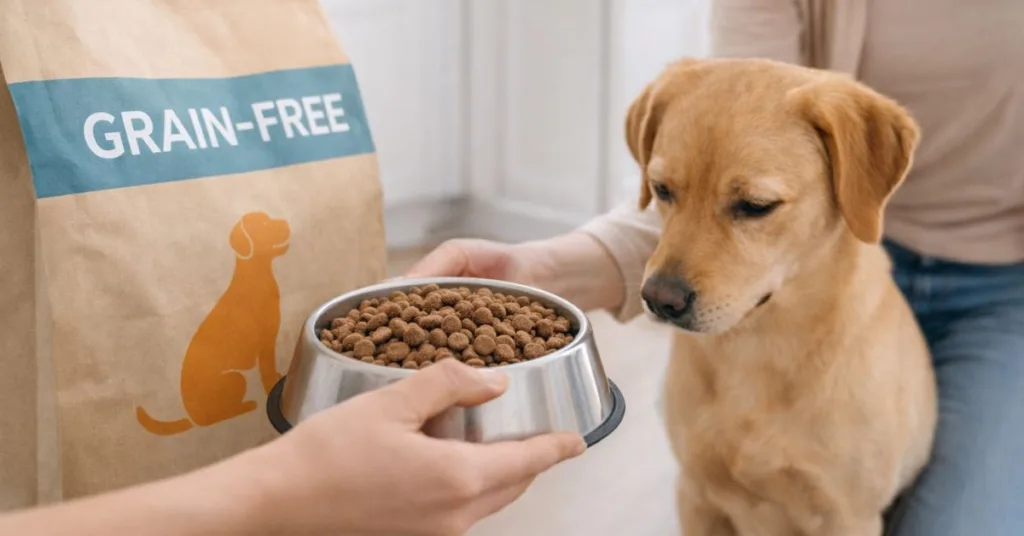
Over the past decade, grain-free dog food has become increasingly popular across the United States, especially among pet owners whose dogs struggle with digestive issues. Many US dog parents turn to grain-free diets after noticing recurring problems like loose stool, gas, bloating, or frequent stomach upset. In some cases, dogs with sensitive stomachs react poorly to certain grains or low-quality fillers commonly found in commercial dog foods, which leads owners to search for the best grain-free dog foods for sensitive stomachs.
That said, it’s important to be clear and balanced: grain-free is not the right solution for every dog. While some dogs genuinely digest better without grains, others do just fine—or even better—on carefully formulated grain-inclusive diets. Digestive sensitivity can stem from many factors, including protein intolerance, poor ingredient quality, or underlying gut issues, not just grains alone. If you’re unsure why your dog’s stomach seems sensitive in the first place, understanding the root cause is essential. You can explore common triggers in our detailed guide on What Causes Sensitive Stomachs in Dogs.

In this vet-informed guide, we cut through the confusion and marketing hype surrounding grain-free diets. You’ll find honest pros and cons, real-world digestive insights, and clear explanations of which dogs may truly benefit from going grain-free—and which ones may not. We’ll also compare grain-free and grain-inclusive diets side by side, so you can make an informed choice based on your dog’s actual needs rather than trends. For a deeper comparison, you may also want to read our breakdown of Grain-free vs Grain-inclusive Dog Food for Sensitive Stomachs.
By the end of this article, you’ll have practical, vet-backed guidance to confidently choose the best grain-free dog food for a sensitive stomach, tailored specifically for US dogs and real digestive concerns.
Are Grain-Free Diets Good for Dogs With Sensitive Stomachs? (Vet Insights)
Grain-free diets can be helpful for some dogs with sensitive stomachs—but they’re not a one-size-fits-all solution. From a veterinary nutrition standpoint, the real question isn’t whether grain-free is “good” or “bad,” but which dogs actually benefit from it and why. Many US pet owners search for the best grain-free dog foods for sensitive stomach after noticing recurring digestive issues like soft stools, gas, or stomach upset on traditional kibble.
🐾 Why some dogs digest grains poorly
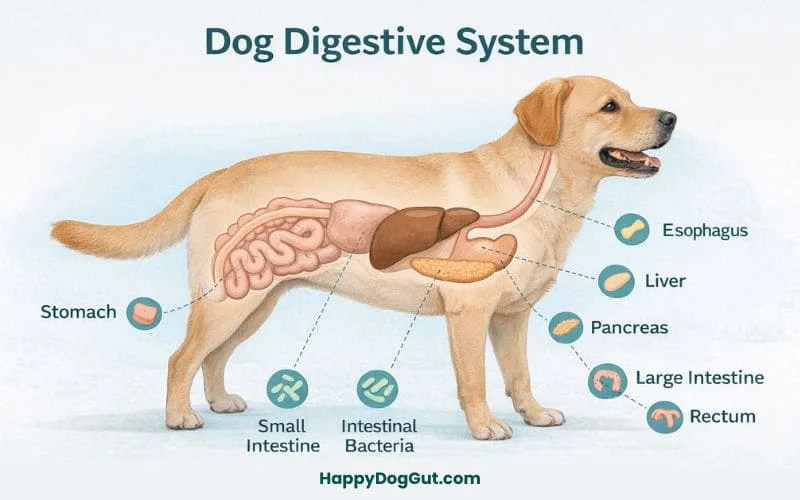
Some dogs have difficulty digesting certain grains or low-quality grain byproducts commonly used as fillers. Poorly processed corn, wheat, or grain fragments can ferment in the gut, leading to bloating, gas, or loose stool. In these cases, switching to a thoughtfully formulated grain-free diet—using digestible proteins and alternative carbs—can reduce digestive stress and improve stool quality.
🧬 Grain Allergy vs. Grain intolerance
It’s important to separate true allergies from intolerances:
- ❗ Grain allergies are relatively rare and involve an immune response.
- ⚠️ Food intolerances are far more common and typically cause digestive symptoms like soft stool, mucus in stool, gas, or vomiting—without an immune reaction.
Many dogs labeled as “grain-sensitive” are actually reacting to specific proteins or additives, not grains themselves. If your dog shows ongoing digestive symptoms, understanding whether intolerance is the issue can guide diet choices. Our guide on Signs of Food Intolerance in Dogs explains this in detail.
✅ When Grain-Free Diets can help
Grain-free diets may be beneficial when:
- 🐶 A dog consistently has loose or mushy stools on grain-heavy foods
- 🧪 There’s a suspected food intolerance and a limited ingredient approach is needed
- 🍠 The formula uses digestible carbs like sweet potato or pumpkin
- 🥩 High-quality proteins (salmon, turkey, lamb) are the primary focus
In these scenarios, selecting one of the best grain-free dog foods for sensitive stomach can help calm the gut, support digestion, and promote firmer stools—especially when compared to low-quality grain-inclusive formulas.
❌ When Grain-free may NOT be the best choice
Grain-free isn’t ideal for every sensitive dog. Some dogs digest well-cooked, high-quality grains (like rice or oats) without any issues and may even experience softer stools on grain-free diets that rely heavily on legumes or lack balanced fiber. This is why ingredient quality and overall formulation matter more than the “grain-free” label alone. For a broader, vet-approved comparison that includes both diet types, see our guide on the Best Dog Food for sensitive stomachs.
From an evidence-based perspective, grain-free diets are a tool—not a cure-all. The best grain-free dog foods for sensitive stomach prioritize digestibility, ingredient transparency, and balanced nutrition over marketing claims. A careful evaluation of your dog’s symptoms, history, and response to food—ideally with veterinary guidance—will always lead to better digestive outcomes than following trends alone.
Pros & Cons of Grain-Free Dog Food for Sensitive Stomachs
Choosing a grain-free diet can be a helpful step for some dogs with digestive sensitivity—but it’s important to understand both the benefits and the limitations before making a switch. The best grain-free dog foods for sensitive stomach are carefully balanced formulas, not just diets that remove grains. Below is a vet-informed look at the pros and cons to help pet owners make a confident, informed decision.
✅ Pros of Grain-Free Dog Food
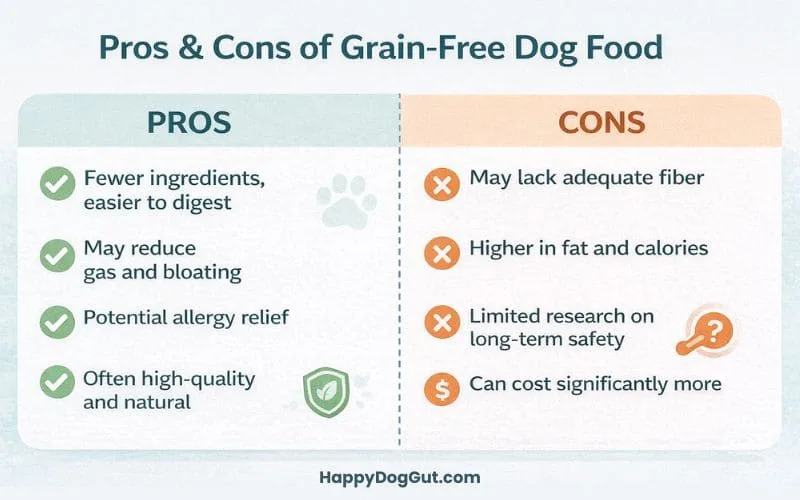
🐾 Fewer common irritants
Many grain-free formulas eliminate low-quality fillers such as corn, wheat, or soy, which are commonly associated with digestive upset in sensitive dogs. Removing these ingredients can reduce gut irritation and help stabilize digestion in dogs that react poorly to traditional kibble.
🍽️ Often easier to digest
High-quality grain-free diets tend to focus on digestible proteins (like salmon or turkey) and alternative carbohydrate sources such as sweet potato or pumpkin. For dogs with sensitive stomachs, this simplified ingredient profile can make meals gentler on the gut and easier to process.
💩 Helpful for loose stool, gas, and itching
Many dog owners report improvements in stool consistency, reduced gas, and fewer skin flare-ups after switching to a properly formulated grain-free diet. This is especially true when loose stool or mild itching is linked to food intolerance rather than an underlying medical condition. In such cases, choosing one of the best grain-free dog foods for sensitive stomach can support both digestive comfort and overall wellness.
⚠️ Cons of Grain-Free Dog Food
🌾 Some formulas are low in fiber
Not all grain-free diets provide enough balanced fiber, which is essential for forming firm, healthy stools. Dogs on low-fiber grain-free foods may experience softer stools or inconsistent bowel movements. If stool firmness becomes an issue, fiber content should be evaluated carefudlly. You can learn more about fiber-rich options in our guide to High-fiber Dog Foods for firm stool.
🫘 Legume-heavy recipes may cause issues
Certain grain-free foods rely heavily on peas, lentils, or chickpeas. While these ingredients aren’t inherently harmful, excessive amounts may contribute to digestive discomfort or gas in some dogs. Sensitive dogs often do better on grain-free formulas that use a balanced mix of alternative carbs rather than legume-heavy blends.
From a clinical standpoint, grain-free diets can offer real benefits for dogs with sensitive stomachs when chosen carefully. The best grain-free dog foods for sensitive stomach focus on digestibility, fiber balance, and ingredient quality—not just the absence of grains. Understanding both the pros and cons helps ensure the diet truly supports your dog’s digestive health rather than creating new issues.
What to Look for in the Best Grain-Free Dog Food for Sensitive Stomachs
Not all grain-free dog foods are created equal. Simply removing grains does not automatically make a formula easier to digest. The best grain-free dog foods for sensitive stomach are carefully balanced, use high-quality ingredients, and are designed to support digestion rather than overwhelm it. When evaluating grain-free options for US dogs with sensitive stomachs, focus on the following key factors.
🥩 Gentle, Digestible Proteins
Protein is often the number one trigger behind digestive upset—not grains. Dogs with sensitive stomachs typically do better with proteins that are easy to break down and less inflammatory.
Commonly well-tolerated options include:
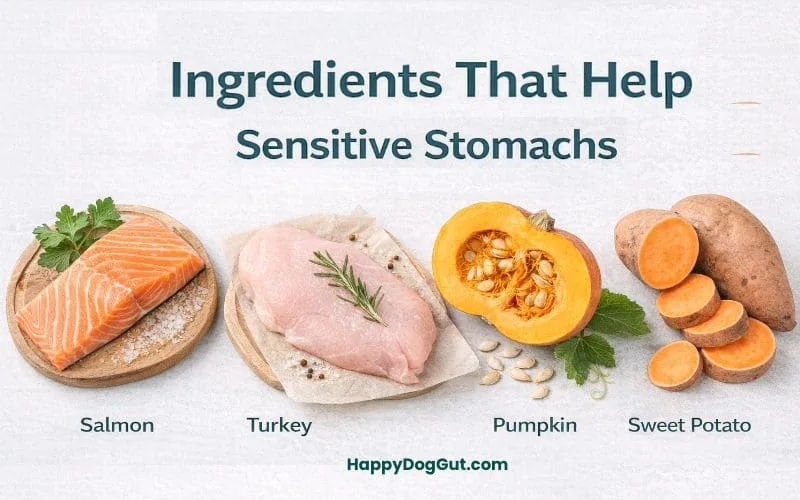
- Salmon – rich in omega-3s and gentle on digestion
- Turkey – lean, highly digestible, and lower in fat
- Lamb – a good alternative for dogs sensitive to chicken
Avoid formulas that rely on poorly defined meat byproducts or known irritants. If your dog has recurring stomach upset, reviewing ingredients carefully is essential. Our guide on Dog Food Ingredients to Avoid for Sensitive Stomachs explains which components are most likely to cause problems.
🍠 Healthy Carb Sources (Beyond Grains)
In grain-free diets, carbohydrates still play an important role in energy and digestion. The best formulas replace grains with easily digestible, nutrient-rich carbs rather than cheap fillers.
Look for options that include:
- Sweet potato – provides slow-burning energy and gentle fiber
- Pumpkin – rich in soluble fiber that helps regulate stool consistency
These ingredients support digestion without irritating the gut. Pumpkin, in particular, is widely recommended by vets for dogs with sensitive stomachs or loose stool. Learn more about its benefits in our guide on Pumpkin for Dogs with sensitive stomachs.
🦠 Prebiotics & Probiotics
A healthy gut microbiome is essential for dogs with sensitive stomachs. Prebiotics feed beneficial gut bacteria, while probiotics help maintain balance and improve stool quality.
The best grain-free dog foods for sensitive stomach often include:
- Chicory root or beet pulp (prebiotics)
- Added live probiotics or fermented ingredients
These components can reduce gas, improve digestion, and support firmer stools over time. For dogs with chronic digestive sensitivity, probiotic support can be especially helpful. You can explore vet-reviewed options in our guide to the Best Probiotics for Dogs.
🧪 Limited Ingredient Formulas (LID)
For dogs with recurring digestive issues, fewer ingredients often mean fewer problems. Limited Ingredient Diets (LID) are designed to minimize potential triggers by using a single protein source and a short ingredient list.
Grain-free LID formulas are particularly useful for dogs with:
- Suspected food intolerance
- Chronic loose stool
- Recurrent gas or bloating
By reducing ingredient complexity, these diets make it easier to identify what your dog tolerates well. Our detailed breakdown of The Best Limited Ingredient Dog Foods explains when and how LID formulas can support sensitive digestion.
From a veterinary nutrition perspective, the best grain-free dog foods for sensitive stomach prioritize digestibility, ingredient quality, and gut support—not just the absence of grains. Evaluating protein sources, carb quality, microbiome support, and ingredient simplicity will help you choose a formula that truly supports your dog’s digestive health.
Best Grain-Free Dog Foods for Sensitive Stomachs (Vet-Reviewed)
Choosing the best grain-free dog foods for sensitive stomach requires more than just removing grains from the ingredient list. From a veterinary nutrition perspective, the most effective formulas are those that focus on digestibility, balanced fiber, gentle proteins, and gut-supporting nutrients. Below are vet-reviewed grain-free options that are commonly well-tolerated by dogs with sensitive digestion, loose stools, gas, or food intolerances in the US.
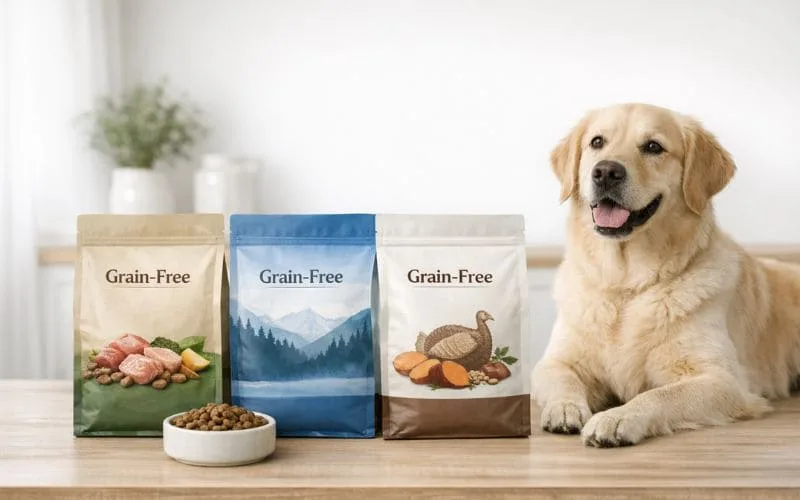
Each food listed here is evaluated based on ingredient quality, digestive impact, and suitability for dogs with ongoing stomach sensitivity—not marketing claims.
1. Merrick Grain-Free Real Salmon & Sweet Potato
Key ingredients: Salmon, Sweet Potato, Peas, Flaxseed
Fiber: ~3.5%
Calories: ~372 kcal/cup
Why it works:
Uses a single primary protein with gentle carbs that support stool consistency.
Pros:
- Rich in omega-3s
- Supports skin + gut health
- No artificial additives
Cons:
- May be rich for very inactive dogs
Best for: Dogs with loose stool or skin sensitivity
Avoid if: Your dog doesn’t tolerate fish
🩺 Vet insight:
Salmon-based formulas are often easier to digest and reduce inflammation in sensitive dogs.
2. Taste of the Wild Pacific Stream (Grain-Free)
Key ingredients: Salmon, Ocean Fish Meal, Sweet Potato
Fiber: ~3%
Calories: ~360 kcal/cup
Why it works:
Simple protein profile + probiotics for digestion.
Pros:
- Highly digestible
- Includes probiotics
- Good stool support
Cons:
- Strong smell for picky eaters
Best for: Chronic soft stool, food sensitivity
Avoid if: Fish allergies
🩺 Vet insight:
Fish-based grain-free diets are often helpful for dogs with protein sensitivities.
3. Wellness CORE Grain-Free Digestive Health
Key ingredients: Turkey, Chicken Meal, Pumpkin
Fiber: ~4%
Calories: ~400 kcal/cup
Why it works:
Includes prebiotics and probiotics to support gut balance.
Pros:
- Gut-supportive ingredients
- No fillers
- High digestibility
Cons:
- Not ideal for poultry-sensitive dogs
Best for: Sensitive stomachs with gas or bloating
Avoid if: Poultry intolerance
🩺 Vet insight:
Balanced grain-free formulas with added digestive support can improve stool quality.
4. Canidae PURE Grain-Free Limited Ingredient
Key ingredients: Salmon or Lamb, Sweet Potato, Peas
Fiber: ~3%
Calories: ~395 kcal/cup
Why it works:
Short ingredient list helps sensitive digestion.
Pros:
- LID friendly
- Gentle on stomach
- Good transition food
Cons:
- Lower protein than some brands
Best for: Dogs with food intolerance
Avoid if: Legume sensitivity
🩺 Vet insight:
Limited ingredient diets reduce digestive triggers.
5. Instinct Raw Boost Grain-Free Gut Health
Key ingredients: Chicken, Turkey Meal, Pumpkin, Probiotics
Fiber: ~4%
Calories: ~440 kcal/cup
Why it works:
Supports microbiome diversity and digestion.
Pros:
- Strong digestive support
- High palatability
Cons:
- Too rich for some sensitive dogs
Best for: Active dogs with mild sensitivity
Avoid if: Chronic diarrhea
🩺 Vet insight:
Added probiotics and raw nutrition can benefit gut health.
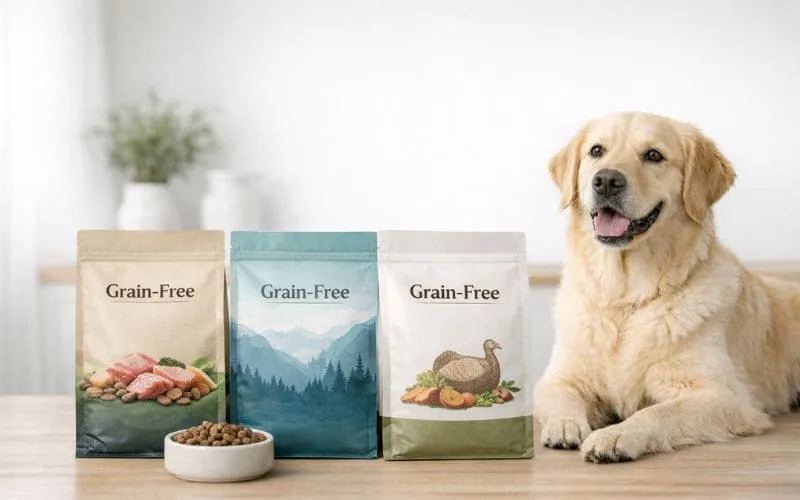
6. Zignature Limited Ingredient Grain-Free (Turkey/Lamb)
Key ingredients: Turkey or Lamb, Peas, Chickpeas
Fiber: ~4%
Calories: ~410 kcal/cup
Why it works:
Single protein + low ingredient complexity.
Pros:
- Novel protein options
- Good for elimination diets
Cons:
- Legume-heavy
Best for: Food intolerance trials
Avoid if: Pea sensitivity
🩺 Vet insight:
Novel proteins help reduce food-related digestive stress.
7. Nature’s Recipe Grain-Free Easy Digest
Key ingredients: Salmon, Sweet Potato, Pumpkin
Fiber: ~3%
Calories: ~370 kcal/cup
Why it works:
Minimal ingredients, easy breakdown.
Pros:
- Budget-friendly
- Gentle formulation
Cons:
- Fewer premium additives
Best for: Mild digestive sensitivity
Avoid if: Severe allergies
🩺 Vet insight:
Simple recipes are often best for sensitive digestion.
8. Blue Buffalo Wilderness Grain-Free (Turkey)
Key ingredients: Turkey, Sweet Potato, Peas
Fiber: ~3%
Calories: ~390 kcal/cup
Why it works:
Quality protein with added fiber sources.
Pros:
- Good protein quality
- No artificial flavors
Cons:
- Rich for some dogs
Best for: Active dogs with sensitive stomach
Avoid if: Low-fat diet needed
🩺 Vet insight:
High-protein grain-free foods should be evaluated carefully.
9. ACANA Singles Grain-Free Lamb & Apple
Key ingredients: Lamb, Apple, Pumpkin
Fiber: ~5%
Calories: ~340 kcal/cup
Why it works:
Limited ingredient, gentle carbs.
Pros:
- High ingredient quality
- Minimal fillers
Cons:
- Higher price point
Best for: Severe food sensitivity
Avoid if: Budget constraints
🩺 Vet insight:
Single-animal protein diets reduce intolerance risk.
10. Nutro Grain-Free Limited Ingredient (Salmon)
Key ingredients: Salmon, Sweet Potato, Peas
Fiber: ~3.5%
Calories: ~375 kcal/cup
Why it works:
Simple protein + clean carb profile.
Pros:
- Clean label
- Easy digestion
Cons:
- Moderate protein level
Best for: Dogs transitioning to grain-free
Avoid if: High-protein needed
🩺 Vet insight:
Well-balanced grain-free diets support consistent digestion.
The best grain-free dog foods for sensitive stomach focus on digestibility, fiber balance, and ingredient quality, not just the absence of grains. Always evaluate how your individual dog responds, and transition slowly to avoid digestive flare-ups.
For dogs that prefer dry food, see our guide on the Best Kibble for Sensitive Stomachs.
If your dog struggles more with digestion on kibble, wet options may help—explore Best Wet Dog Foods for Sensitive Stomachs.
Best Grain-Free Wet Dog Foods for Sensitive Stomachs
For dogs with ongoing digestive sensitivity, wet food can be an excellent complement—or even an alternative—to dry kibble. Many US dog owners searching for the best grain-free dog foods for sensitive stomach find that wet formulas are easier on digestion, especially for dogs dealing with loose stools, reduced appetite, or stomach irritation. Grain-free wet foods combine high moisture content with gentle ingredients, making them particularly helpful for sensitive digestive systems.

🥣 Why wet food helps digestion
Wet dog food contains significantly more moisture than kibble, which helps support hydration and softens the digestive process. This can reduce strain on the stomach and intestines, making nutrients easier to absorb. Grain-free wet formulas also tend to use fewer fillers and simpler ingredient lists, which benefits dogs with food intolerances or recurring digestive upset. For dogs that struggle with dry food, wet options can improve palatability and promote more consistent eating—an important factor in gut stability.
Below are vet-reviewed grain-free wet food options commonly well tolerated by dogs with sensitive stomachs in the US.
1. Hill’s Science Diet Grain-Free Sensitive Stomach Wet Food
Key ingredients: Chicken or Turkey, Pumpkin, Vitamins and Minerals
Why it works:
Smooth texture and digestible proteins help reduce stomach irritation.
Best for: Dogs with mild to moderate digestive sensitivity
Avoid if: Poultry intolerance
🩺 Vet insight:
Hill’s grain-free wet formulas are designed for gentle digestion and nutritional balance.
2. Purina Pro Plan Grain-Free Sensitive Skin & Stomach Wet Formula
Key ingredients: Salmon or Turkey, Pea Starch, Prebiotic fiber
Why it works:
High moisture content plus simple protein sources improve stool consistency.
Best for: Loose stool or reduced appetite
Avoid if: Fish sensitivity (salmon version)
🩺 Vet insight:
This formula combines digestible proteins with added gut support.
3. Blue Buffalo Basics Grain-Free Limited Ingredient Wet Food
Key ingredients: Turkey or Duck, Potato, Pumpkin
Why it works:
Single animal protein and grain-free formulation reduce irritation.
Best for: Food intolerance and sensitive digestion
Avoid if: Potato sensitivity
🩺 Vet insight:
Limited ingredient wet diets help minimize digestive triggers.
Wet food can play a valuable role when choosing the best grain-free dog foods for sensitive stomach. Higher moisture, simpler formulations, and gentle textures often make wet diets easier to digest for sensitive dogs. As always, introduce new foods gradually and monitor stool quality to ensure the diet is a good fit.
If you’re exploring more wet options—grain-free or not—our complete guide to the Best Wet Dog Foods for Sensitive Stomachs provides a broader comparison of textures, ingredients, and digestive benefits.
Homemade Grain-Free Options (Vet-Approved)
For some dogs with digestive sensitivity, short-term homemade meals can provide gentle relief—especially during flare-ups, food transitions, or recovery from stomach upset. While commercial diets remain the most nutritionally complete long-term option, vet-approved grain-free homemade recipes can complement the best grain-free dog foods for sensitive stomach when used correctly and temporarily. US pet owners often prefer these options because they’re simple, soothing, and easy to control ingredient-wise.
⚠️ Important note: Homemade diets should be used short-term unless a veterinarian formulates a complete, balanced plan. Long-term feeding without proper supplementation can lead to nutrient deficiencies.
🍠 Turkey & Sweet Potato (Gentle, Grain-Free Comfort Meal)
Why it works:
- Turkey is a lean, easy-to-digest protein
- Sweet potato provides slow-release energy and soluble fiber
- Simple ingredient list reduces digestive stress
How to serve:
Boil or bake plain turkey (no seasoning). Steam sweet potato until soft. Mash lightly and mix in a 2:1 ratio (turkey:sweet potato).
Best for:
Dogs with mild digestive sensitivity, gas, or soft stool during food transitions
Avoid if:
Your dog has poultry intolerance
🩺 Vet insight:
Lean turkey paired with sweet potato offers digestible protein and gentle fiber—helpful for calming sensitive stomachs.
🎃 Salmon & Pumpkin (Stool-Firming, Anti-Inflammatory Option)
Why it works:
- Salmon is often well tolerated by sensitive dogs
- Pumpkin’s soluble fiber helps firm loose stool
- Grain-free and naturally soothing
How to serve:
Cook salmon thoroughly (no skin, bones, or seasoning). Mix with plain canned pumpkin (not pie filling). Start with small portions.
Best for:
Dogs with loose stools or sensitivity linked to inflammation
Avoid if:
Your dog doesn’t tolerate fish
🩺 Vet insight:
Salmon’s omega-3 fatty acids support gut health and reduce inflammation, while pumpkin helps regulate stool consistency.
🔁 How homemade meals fit into a sensitive-stomach plan
Many dogs benefit from starting with bland meals, then transitioning to one of the best grain-free dog foods for sensitive stomach once stools stabilize.
Grain-free homemade meals can be a helpful short-term strategy for sensitive stomachs, but they’re not a complete long-term solution. Use them strategically, monitor stool quality closely, and transition back to a balanced commercial formula. When chosen carefully, the best grain-free dog foods for sensitive stomach provide consistent nutrition and digestive support beyond what homemade meals can offer alone.
For dogs recovering from more severe digestive upset, see our step-by-step guidance on What to Feed a Dog After Diarrhea.
If your dog does better on bland diets but needs grains short-term, our Homemade Chicken & Rice guide explains when that option is appropriate.
Supplements That Support Grain-Free Diets
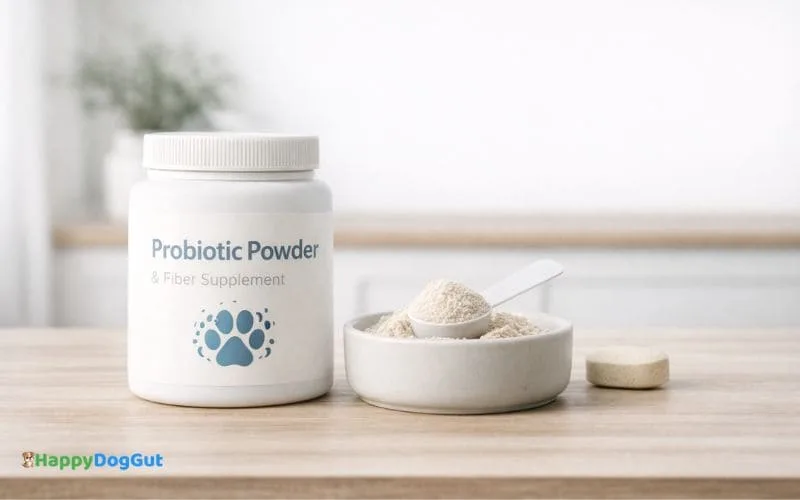
Even when you’ve chosen one of the best grain-free dog foods for sensitive stomach, some dogs still benefit from targeted supplements—especially during diet transitions, periods of stress, or ongoing digestive sensitivity. Supplements don’t replace a quality diet, but they can enhance digestion, improve stool consistency, and support long-term gut balance when used appropriately.
🦠 Probiotics
Why they help:
- Support beneficial gut bacteria
- Improve stool quality and regularity
- Reduce gas, bloating, and mild diarrhea
Probiotics help restore and maintain a healthy gut microbiome, which is essential for dogs with sensitive stomachs—particularly those switching to grain-free diets.
Dogs transitioning to grain-free food or experiencing loose stools often respond well to probiotic support alongside the best grain-free dog foods for sensitive stomach. For vet-reviewed options and usage tips, see our guide to the Best Probiotics for Dogs.
🌿 Fiber Supplements
Why they help:
- Add bulk to stool and regulate bowel movements
- Support gut motility without irritating the stomach
- Balance moisture in the digestive tract
Some grain-free formulas can be lower in fiber, which may affect stool firmness in sensitive dogs.
If your dog’s stool becomes soft after switching to grain-free, adding a gentle fiber supplement (like psyllium husk or pumpkin powder) can help—without needing to change foods again. Learn which options are safest in our review of Fiber Supplements for Dogs.
⚙️ Digestive Enzymes
Why they help:
- Reduce digestive workload
- Improve nutrient absorption
- Support dogs with ongoing loose stool or gas
Digestive enzymes help dogs break down fats, proteins, and carbohydrates more efficiently—useful for chronic digestive sensitivity or poor nutrient absorption.
For science-based veterinary guidance on enzyme use in pets, refer to VCA Hospitals’ overview on Digestive Enzymes in Pets.
📝 Tip: Enzymes are most helpful when digestive issues persist despite diet changes. Always consult your vet before long-term use.
Feeding Guide for Grain-Free Diets
How you feed is just as important as what you feed—especially for dogs with sensitive digestion. Even the best grain-free dog foods for sensitive stomach can cause issues if portions, timing, or hydration aren’t managed properly. Follow these vet-informed feeding guidelines to help your dog adjust smoothly and maintain digestive comfort.
🍽️ Portion Size (Avoid Overfeeding)
Grain-free foods are often more calorie-dense. Overfeeding can overload the digestive system and lead to loose stools or vomiting.
Best practice:
- Measure meals accurately
- Follow the feeding guide on the label as a starting point
- Adjust based on your dog’s activity level and stool quality
⏱️ Small, Frequent Meals
Instead of one or two large meals, feeding smaller portions 3–4 times per day can reduce digestive strain.
Benefits:
- Easier digestion
- Fewer stomach flare-ups
- More consistent stool formation
This approach is especially helpful during transitions to grain-free diets or when managing chronic sensitivity.
💧 Hydration Matters
Adequate hydration supports digestion and helps fiber do its job. Dogs on grain-free diets—especially dry kibble—should always have access to fresh water.
Helpful tips:
- Add warm water or broth (low sodium) to kibble
- Consider wet food occasionally for extra moisture
For dogs that struggle with dry food digestion, pairing grain-free kibble with wet options can help—see our guide to the Best Wet Dog Foods for Sensitive Stomachs.
🍪 Treat Avoidance (During Adjustment Periods)
Treats—even healthy ones—can disrupt digestion during diet changes.
Vet advice:
- Avoid treats for the first 2–3 weeks after switching foods
- If needed, use small portions of the dog’s regular food as treats
- Avoid high-fat or flavored treats that may trigger stomach upset
Supplements and feeding practices play a critical role in how well dogs tolerate grain-free diets. When combined thoughtfully with the best grain-free dog foods for sensitive stomach, proper supplementation, portion control, hydration, and meal timing can significantly improve digestion and stool consistency.
How to Transition to Grain-Free Food Safely (11-Day Vet-Recommended Plan)
Even when you’ve selected one of the best grain-free dog foods for sensitive stomach, switching too quickly can trigger digestive upset. Sudden diet changes are one of the most common reasons dogs develop loose stool, gas, or vomiting—especially dogs with already sensitive digestion. A slow, structured transition allows your dog’s gut bacteria and digestive enzymes to adjust gradually.
🐾 Why a slow transition matters
Dogs rely on a stable gut microbiome to digest food efficiently. Introducing a grain-free formula too fast can disrupt this balance, leading to temporary digestive issues that may be mistaken for food intolerance. A gradual transition helps minimize stress on the digestive system and improves the chances that your dog will tolerate the new food well.
📆 11-Day Transition Plan (Vet-Style)
- Days 1–3: 75% old food + 25% grain-free food
- Days 4–6: 50% old food + 50% grain-free food
- Days 7–9: 25% old food + 75% grain-free food
- Days 10–11: 100% grain-free food
During this period:
- Feed smaller, more frequent meals
- Avoid treats or table scraps
- Monitor stool consistency daily
If loose stool appears, slow the transition further rather than stopping completely. For a more detailed breakdown of food switching strategies, see our complete Dog Food Transition Guide.
When Grain-Free Is NOT a Good Choice (Vet Warning)
While the best grain-free dog foods for sensitive stomach can be beneficial for many dogs, grain-free diets are not appropriate for every situation. From a veterinary standpoint, certain health conditions require special consideration before removing grains from a dog’s diet. Ignoring these factors can worsen digestive symptoms rather than improve them.
🚨 Chronic diarrhea
If your dog has ongoing diarrhea that lasts more than a few days, grain-free food may not address the root cause. Chronic diarrhea can signal infections, parasites, inflammatory bowel disease, or other medical conditions that require veterinary diagnosis. Diet changes alone may mask symptoms rather than solve the problem.
⚠️ Pancreatitis or fat-sensitive dogs
Many grain-free foods are higher in fat, which can be problematic for dogs with a history of pancreatitis or fat intolerance. In these cases, a lower-fat, vet-prescribed diet—grain-free or grain-inclusive—may be safer than standard grain-free formulas.
🧓 Senior dogs with lower activity levels
Older dogs often have slower metabolism and different nutritional needs. Some seniors may struggle with the calorie density or protein levels found in grain-free diets. For senior dogs showing digestive changes, a gentler formula may be more appropriate depending on stool quality, weight, and activity.
Grain-free diets can be helpful—but only when used thoughtfully. Transition slowly, monitor your dog’s response, and avoid grain-free foods in situations where medical conditions require specialized nutrition. The best grain-free dog foods for sensitive stomach work best as part of an informed, individualized feeding plan rather than a quick fix.
If your dog has soft or loose stool but otherwise seems healthy, it’s important to evaluate whether diet is truly the issue. Our guide on Why Dogs have Loose Stool But Act Normal explains when dietary changes help—and when veterinary input is necessary.
FAQs About The Best Grain-Free Dog Foods for Sensitive Stomach
Is grain-free dog food better for dogs with sensitive stomachs?
Grain-free dog food can be helpful for some dogs with sensitive stomachs, especially if they react poorly to certain grains or fillers. However, it’s not automatically better for every dog. The best grain-free dog foods for sensitive stomach focus on digestible proteins, balanced fiber, and gut-supporting ingredients rather than just removing grains. The right choice depends on your dog’s individual digestion and tolerance.
Can grain-free dog food help with loose stool?
Yes, grain-free dog food may help improve loose stool in dogs whose digestive issues are triggered by grains or low-quality fillers. Many grain-free formulas use ingredients like pumpkin and sweet potato, which support stool firmness. That said, not all loose stool is diet-related, so results depend on the overall formula quality and your dog’s specific condition.
How long does it take to see digestive improvement after switching to grain-free food?
Most dogs show noticeable digestive improvement within 7 to 14 days after switching to a high-quality grain-free diet. For dogs with sensitive stomachs, a slow transition is essential to avoid temporary digestive upset. Improvements in stool consistency, gas, and appetite often happen gradually rather than overnight.
Are peas bad for dogs in grain-free dog food?
Peas are not inherently bad, but some dogs with sensitive stomachs may not tolerate legume-heavy grain-free recipes well. Excessive peas can contribute to gas or soft stools in certain dogs. The best grain-free dog foods for sensitive stomach use peas in moderation or balance them with other digestible carb sources.
Is grain-free dog food good for dogs with food intolerance?
Grain-free diets can be helpful for dogs with food intolerance when combined with limited ingredient formulas. Many dogs react to specific proteins or additives rather than grains themselves. Choosing a simple, grain-free recipe can reduce digestive triggers and make it easier to identify problem ingredients.
Should puppies eat grain-free food for sensitive stomachs?
Grain-free food is not automatically recommended for puppies unless advised by a veterinarian. Puppies have specific nutritional needs, and some grain-free formulas may be too rich. If a puppy shows digestive sensitivity, it’s best to choose a vet-approved formula designed for growth and gentle digestion.
Is grain-free dog food safe for senior dogs with sensitive stomachs?
Grain-free food can be safe for senior dogs, but it depends on calorie density, fat content, and activity level. Some seniors may struggle with richer grain-free formulas. For older dogs, the best grain-free dog foods for sensitive stomach are those with moderate calories and easily digestible ingredients.
Can grain-free dog food reduce gas and bloating?
Yes, many dogs experience less gas and bloating on high-quality grain-free diets that avoid poorly digestible fillers. Improved digestion often leads to reduced fermentation in the gut. Results vary depending on protein source and overall ingredient balance.
What protein is best in grain-free dog food for sensitive stomachs?
Proteins like salmon, turkey, and lamb are commonly well tolerated by dogs with sensitive digestion. These proteins are easier to break down and less inflammatory for many dogs. The best results usually come from single-protein, grain-free formulas.
Do vets recommend grain-free dog food for sensitive stomachs?
Veterinarians may recommend grain-free dog food when there’s a clear digestive benefit for the individual dog. Most vets focus more on ingredient quality and digestibility than the presence or absence of grains. A balanced approach is always preferred over following trends.
Can grain-free dog food help with skin allergies and itching?
Grain-free diets may help some dogs with skin issues when the underlying cause is food intolerance. Improved digestion can reduce inflammation, which may lead to healthier skin and coat. However, not all skin problems are diet-related, so results vary.
Is grain-free dog food safe long-term for sensitive stomachs?
Grain-free dog food can be safe long-term if the formula is nutritionally balanced and well tolerated. Monitoring stool quality, energy levels, and weight is important. Regular veterinary checkups help ensure the diet continues to meet your dog’s needs.
Final Thoughts: Choosing the Right Grain-Free Diet for Sensitive Stomachs
For many US dog owners, switching to one of the best grain-free dog foods for sensitive stomach can be a meaningful step toward better digestion, firmer stools, and improved overall comfort. When a dog struggles with recurring stomach upset, gas, or soft stool, a thoughtfully formulated grain-free diet—using gentle proteins, balanced fiber, and gut-supporting ingredients—can provide noticeable relief. Many dogs do respond positively when low-quality grains and fillers are removed from their diet.
That said, grain-free is not a one-size-fits-all solution. Some dogs digest high-quality grains perfectly well and may not benefit from grain-free formulas at all. The key is focusing on ingredient quality, digestibility, and your dog’s individual response, rather than following trends alone. Monitoring stool consistency, energy levels, and appetite after any diet change is essential to finding what truly works.
🩺 Veterinary guidance matters, especially if digestive symptoms are persistent or severe. A vet can help determine whether grain-free food is appropriate or if another approach—such as a high-fiber diet or a temporary recovery plan—is more suitable. If your dog has a history of digestive sensitivity, reviewing vet-approved options for Sensitive Stomach Dog Foods can help narrow down safe choices.
💩 For dogs that continue to struggle with soft or loose stool, additional fiber may be needed to support stool firmness. Our guide to High-fiber Dog food for Firm Stool explains when and how fiber plays a key role in gut health.
🚑 And if your dog is recovering from a recent bout of diarrhea, following a structured recovery diet is crucial—see our step-by-step guide on What to Feed a Dog after Diarrhea.
The best grain-free dog foods for sensitive stomach are those chosen thoughtfully, introduced slowly, and adjusted based on your dog’s real digestive needs. With the right information, careful observation, and veterinary support, you can build a feeding plan that promotes long-term gut health and a happier, more comfortable dog.

Hi, I’m Maddy, the writer behind HappyDogGut.com.
I’m passionate about helping Dog parents understand Gut Health, Sensitive Stomachs, and Natural Nutrition for dogs.
Every article I create is vet-approved, research-backed, and experience-driven, so your pup can enjoy a healthier, happier gut.
Happy Gut = Happy Dog!
All content on Happy Dog Gut follows our Editorial Policy.