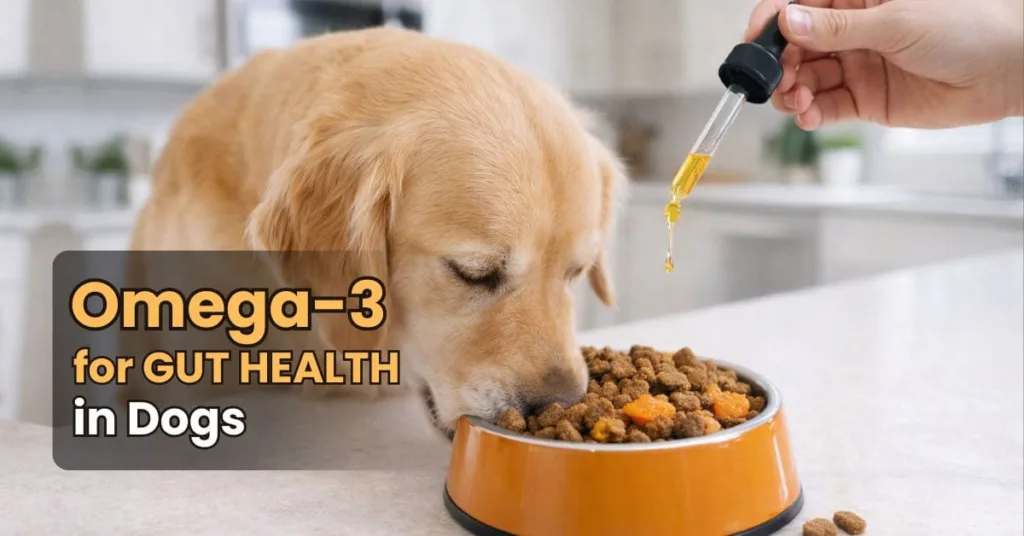
Many dog owners associate omega-3 fatty acids with skin and coat health. While that’s true, it’s only part of the picture. The role of omega-3 for gut health in dogs is often overlooked—especially when it comes to inflammation and digestive balance.
Conditions like soft stool, chronic digestive sensitivity, allergies, and inflammatory bowel issues are frequently connected to underlying inflammation in the body. Omega-3 fatty acids, particularly from fish oil, are known for their anti-inflammatory properties. This makes them relevant not just for itching or dry skin, but also for supporting the gut environment.
At the same time, there’s a lot of confusion. Pet owners often wonder: how much should I give, which type is better, and is it even safe for daily use? The difference between EPA and DHA, proper dosing, and quality of supplements can all impact results.
If you’re already exploring broader digestive support—like Best Probiotics for dogs with sensitive stomachs or structured plans such as Diet Support for dogs with IBD —understanding omega-3 can add another layer of clarity.
In this guide, we’ll break down how omega-3 works, when it may help, and how to use it safely—without hype or medical claims.
⚠️ This article is for educational purposes only and does not replace veterinary advice
What Is Omega-3 for Gut Health in Dogs?
Omega-3 for gut health in dogs refers to a group of essential fatty acids that help support the body’s natural inflammatory balance, including within the digestive system. These fats are considered “essential” because dogs cannot produce them efficiently on their own—they must come from the diet.
🐟 Essential Fatty Acids
Omega-3 fatty acids are a type of polyunsaturated fat. The most important forms for dogs are EPA (Eicosapentaenoic acid) and DHA (docosahexaenoic acid), which are commonly found in fish oil and certain marine sources.
🔥 Anti-Inflammatory Role
One of the key benefits of omega-3s is their ability to help regulate inflammation. Since many digestive issues—like soft stool, gut sensitivity, or IBD—have an inflammatory component, omega-3s may support a more balanced gut environment.
⚙️ Not Produced Efficiently by the body
Dogs can convert some plant-based omega-3s into active forms, but this process is limited. That’s why direct sources of EPA and DHA are typically considered more effective for supporting inflammation and digestive health.
🌿 Found in Fish Oil and Algae
Common sources include fish oil (such as salmon or sardine oil) and algae-based supplements. These provide the active forms of omega-3 that the body can use more directly.
🌍 Works Systemically—not just in the gut
Omega-3 fatty acids don’t target only one area. They influence inflammation throughout the body, including the skin, joints, brain, and digestive tract. This systemic effect is why they’re often included in broader wellness and gut-support strategies.
Fish oil is one of the most common sources of omega-3 fatty acids for dogs, providing both EPA and DHA in forms the body can use efficiently. The American Kennel Club’s guide to fish oil for dogs also explains how omega-3 supports inflammation balance and overall health, including skin, joints, and digestive function.
Understanding this foundation helps explain why omega-3 is discussed not just for coat health—but also for deeper digestive and inflammatory support.
EPA vs DHA — What’s the Difference?
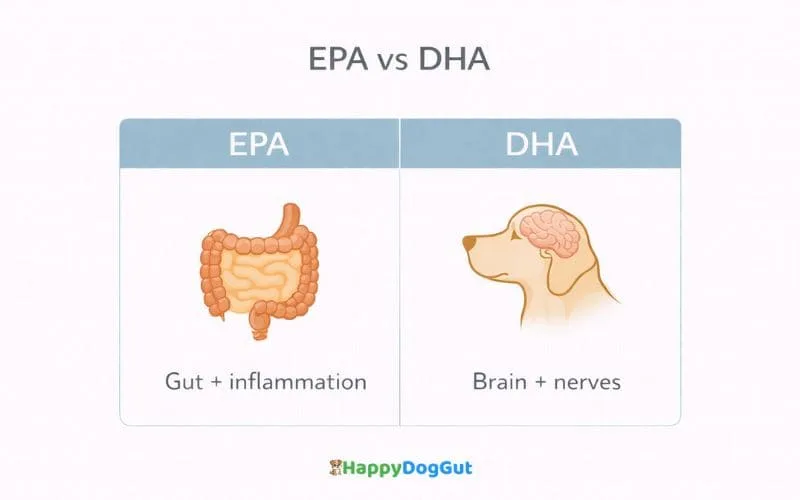
Not all omega-3 fatty acids work the same way. The two most important forms for dogs are EPA and DHA, and understanding their roles helps you choose more effectively.
🔹 EPA (Eicosapentaenoic Acid)
EPA is the primary omega-3 linked to anti-inflammatory support. It plays a key role in regulating inflammatory responses throughout the body, including within the digestive tract.
For dogs with sensitive stomachs, soft stool, or inflammatory gut conditions, EPA is often the most relevant component. It may help support the intestinal lining and contribute to a more stable digestive environment over time.
🔹 DHA (Docosahexaenoic Acid)
DHA is more closely associated with brain, nerve, and vision health. It supports cognitive function and is especially important in puppies and senior dogs.
While DHA does contribute to overall health and has some anti-inflammatory properties, its role in gut-specific support is considered secondary compared to EPA.
✅ Key Takeaway
For digestive health and inflammation, EPA is the priority.
DHA still matters—but if your focus is gut support, the EPA content of an omega-3 supplement is especially important to review.
How Omega-3 Supports Gut Health in Dogs
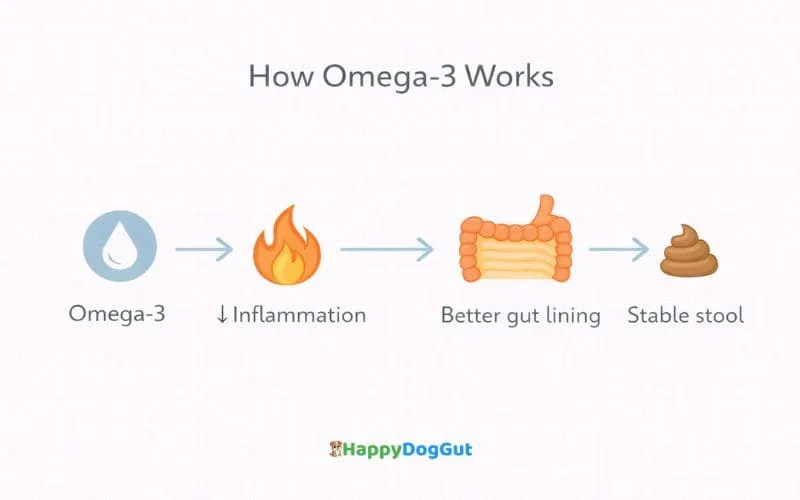
Omega-3 fatty acids support digestion indirectly by influencing inflammation and immune balance within the gastrointestinal system. Rather than acting like a quick fix, they work gradually to support a healthier gut environment.
🔥 Helps Reduce Intestinal Inflammation
Many digestive issues in dogs—such as chronic soft stool or IBD—have an inflammatory component. Omega-3s, particularly EPA, help regulate inflammatory pathways, which may reduce irritation in the intestinal tract over time.
🛡️ Supports Gut Lining Integrity
The intestinal lining acts as a barrier that controls what gets absorbed into the body. When this lining is supported, digestion tends to be more stable. Omega-3 fatty acids may help maintain this barrier, contributing to improved gut resilience.
💩 May Improve Stool Consistency
By supporting inflammation control and gut balance, omega-3s may contribute to more consistent stool over time. This effect is usually gradual and works best alongside a stable, digestible diet.
🧬 Helps Regulate Immune Response
The gut is closely connected to the immune system. Omega-3s can help modulate immune activity, which is especially relevant in conditions where the immune system may be overreacting to food or environmental triggers.
If your dog has ongoing digestive concerns, understanding the broader diagnostic process can also be helpful. Our guide on how vets diagnose chronic GI issues in dogs explains how veterinarians evaluate inflammation and gut-related symptoms step by step.
Omega-3 support is most effective when used as part of a structured approach—not as a standalone solution.
Omega-3 for Dogs With Allergies and Sensitive Skin
Digestive health and skin health are more connected than they may seem. Many dogs with ongoing itching or skin irritation also show signs of gut sensitivity, highlighting the close relationship between the skin and the digestive system.
🔗 The Skin–Gut Connection
The gut plays a key role in immune regulation. When the digestive system is out of balance, it can influence how the body reacts to allergens—sometimes showing up as itching, redness, or ear issues on the skin.
🧬 Supports Immune Modulation
Omega-3 fatty acids help regulate immune responses rather than simply suppressing symptoms. This balanced immune activity may reduce overreactions to common triggers, whether they are dietary or environmental.
🌿 May help reduce Itching and Inflammation
By supporting inflammatory balance, omega-3s may contribute to reduced skin irritation over time. This effect is gradual and often works best alongside appropriate diet adjustments.
⚖️ Food Allergy vs Environmental Triggers
Not all skin issues are caused by food. Some dogs react to environmental allergens like pollen or dust, while others may have food-related sensitivities. Understanding the difference is important. If you’re unsure, reviewing Signs of Food Intolerance in dogs can help clarify patterns between diet and symptoms.
Omega-3 support can be part of a broader strategy for managing both gut and skin sensitivity—but it works best when combined with identifying and addressing underlying triggers.
Omega-3 for Dogs With IBD and Chronic Digestive Issues
When it comes to chronic digestive conditions, inflammation is often a central factor. This is where omega-3 for gut health in dogs becomes especially relevant as part of a broader management approach.
🔥 Inflammation-Driven Conditions
Conditions like inflammatory bowel disease (IBD) involve ongoing inflammation in the digestive tract. This inflammation can disrupt nutrient absorption, irritate the gut lining, and lead to recurring symptoms such as soft stool or diarrhea.
🩺 Support—not a Cure
Omega-3 fatty acids do not cure IBD or chronic GI disorders. However, due to their anti-inflammatory properties, they may help support a more balanced gut environment when used alongside appropriate dietary strategies and veterinary care.
📉 May help reduce Flare Severity
Some dogs with chronic digestive issues experience cycles of flare-ups and improvement. Omega-3 support may help reduce the intensity of these flare periods by moderating inflammatory responses over time.
🥣 Works best alongside diet
Omega-3 supplementation is most effective when combined with a structured diet plan tailored to digestive sensitivity. If you’re exploring long-term strategies, our guide on Diet Support for dogs with IBD explains how food choices and consistency play a central role.
For chronic conditions, omega-3 is best viewed as a supportive tool within a larger, well-managed plan—not a standalone solution.
Recommended Dosage of Omega-3 for Dogs
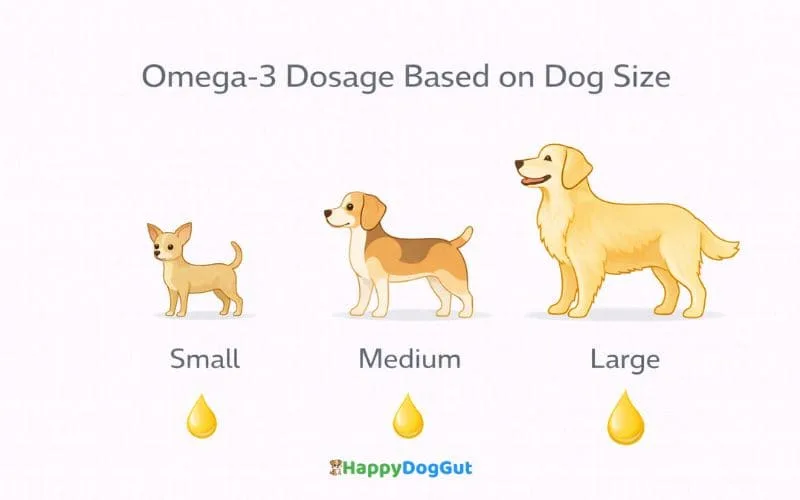
Omega-3 dosing should always be approached carefully. While these fatty acids can support gut and inflammatory balance, giving too much—or too little—may affect results.
⚖️ Based on Body Weight
Omega-3 intake is generally calculated relative to a dog’s body weight. Larger dogs require higher total amounts than smaller dogs, but the ratio per pound (or kilogram) is what matters most.
🧪 EPA + DHA Combined Matters
When evaluating supplements, focus on the combined amount of EPA and DHA—not just the total volume of fish oil. Many products list “fish oil” in milligrams, but the active omega-3 content (EPA + DHA) is what actually supports inflammation and gut health.
📊 Use a range, Not exact Dosing rules
General guidelines often provide a range per body weight, rather than a fixed number. This allows flexibility depending on the dog’s condition, diet, and overall health. Exact dosing is best determined with veterinary guidance—especially for dogs with chronic digestive issues.
⚠️ Too much can cause Digestive upset
Omega-3 is still a fat source. Excessive amounts may lead to loose stool, weight gain, or digestive discomfort in sensitive dogs. Introducing it gradually and monitoring response is important.
A measured, consistent approach works best. Omega-3 supplementation should support balance—not create new digestive challenges.
Best Sources of Omega-3 for Dogs

Not all omega-3 sources are equal. The effectiveness of supplementation depends on how easily your dog can absorb EPA and DHA, as well as the overall quality of the source.
🐟 Fish Oil
Fish oil—such as salmon, sardine, or anchovy oil—is the most widely used source of omega-3 for dogs. It provides direct EPA and DHA, making it one of the most effective and commonly recommended options for supporting inflammation and gut health.
🦐 Krill Oil
Krill oil also contains EPA and DHA, but in a slightly different form that may be easier to absorb in some cases. It’s often considered a premium option, though typically used in smaller amounts compared to fish oil.
🌿 Algae-based (Plant-based option)
Algae-derived omega-3 is a plant-based alternative that provides DHA and sometimes EPA. It’s useful for owners looking for non-fish sources, though EPA content may vary depending on the formulation.
🐠 Whole Fish vs Supplements
Whole fish (like sardines) can naturally provide omega-3s, but consistency and dosage are harder to control compared to supplements. Supplements allow for more precise intake and easier adjustment over time.
For dogs with sensitive digestion, it’s also helpful to consider how supplements fit into the broader digestive plan. Our guide on Digestive Enzymes for dogs explains how different supplements support digestion in complementary ways.
Choosing a high-quality, consistent source matters more than simply adding omega-3 randomly.
When Omega-3 May NOT Be Enough
Omega-3 can support inflammation and overall digestive balance—but it’s not a solution for every situation. Some symptoms indicate that broader evaluation is needed.
💧 Severe Diarrhea
Occasional soft stool may improve with diet adjustments and supportive nutrients. However, persistent watery diarrhea—especially if frequent or worsening—is unlikely to resolve with omega-3 alone.
🔥 Chronic Inflammation
Long-term digestive issues often involve deeper inflammatory processes that require structured management. While omega-3 may support these conditions, it cannot replace proper diagnosis or targeted treatment.
⚖️ Unexplained Weight loss
If your dog is losing weight despite normal eating habits, it may signal malabsorption or underlying disease. This is not something omega-3 supplementation can correct on its own.
🧬 Underlying Disease
Conditions such as IBD, infections, or pancreatic issues require a layered approach. Supplements can support—but not substitute—professional evaluation and treatment planning.
If you’re unsure whether symptoms fall within normal variation or need attention, reviewing when to see a vet for loose stool can help clarify when to monitor and when to act.
Omega-3 works best as part of a structured plan—not as a standalone solution for persistent or severe digestive problems.
Signs Omega-3 Is Supporting Your Dog

Omega-3 fatty acids don’t produce instant results. Their effects build gradually as inflammation levels and overall balance improve. Watching for consistent changes over time is more useful than expecting quick fixes.
💩 Firmer Stool
As inflammation in the digestive tract stabilizes, stool consistency may gradually improve. This is usually one of the earlier signs that dietary support is working.
🐾 Reduced Itching
If your dog has mild skin sensitivity or allergies, you may notice less scratching or irritation over time. This reflects omega-3’s role in supporting inflammatory balance.
✨ Better Coat Quality
A healthier coat—softer, shinier, and less dry—is a common visible sign. While this is often associated with skin health, it also reflects overall nutritional support.
⚡ Improved Energy Levels
Some dogs appear more comfortable and active as inflammation is better regulated. This change is usually subtle and develops gradually.
⏳ Gradual Improvement Matters
Omega-3 support works over weeks, not days. Consistent feeding and stable dosing are key to seeing reliable results.
Tracking these small improvements over time provides a clearer picture of whether omega-3 is benefiting your dog’s overall health.
Potential Side Effects or Mistakes
Omega-3 supplements are generally well-tolerated, but using them incorrectly can lead to unwanted effects—especially in dogs with sensitive digestion.
⚠️ Overdosing
More is not always better. Giving excessive amounts of omega-3 can increase total fat intake, which may lead to loose stool, weight gain, or digestive discomfort. Following general guidelines and adjusting gradually helps avoid this issue.
🧴 Poor-quality Oil
Not all omega-3 products are equal. Low-quality or poorly processed oils may contain lower levels of active EPA and DHA than advertised. Choosing a reputable source with clear labeling helps ensure consistency and safety.
🧪 Rancidity Risk
Omega-3 oils are sensitive to heat, light, and air. Over time, they can oxidize (go rancid), which reduces effectiveness and may irritate the digestive system. Proper storage—such as keeping bottles sealed and away from heat—is important.
💩 GI Upset from Excess Fat
Because omega-3 supplements are fat-based, adding too much too quickly can upset digestion. Sensitive dogs may develop softer stool or mild bloating if introduced too aggressively.
A slow, measured approach with a high-quality product helps minimize these risks. Omega-3 works best when added thoughtfully—not in large or sudden amounts.
FAQs: Omega-3 for Dogs
Does omega-3 help dogs with diarrhea?
Omega-3 may support dogs with mild digestive sensitivity by helping regulate inflammation in the gut. However, it is not a direct treatment for diarrhea. Persistent or severe diarrhea usually requires identifying the underlying cause rather than relying on supplements alone.
What is better—EPA or DHA for dogs?
Both are important, but EPA is generally more relevant for inflammation and gut support. DHA plays a stronger role in brain and nerve health. For digestive concerns, products with higher EPA content are often prioritized.
Can omega-3 help IBD in dogs?
Omega-3 may support dogs with IBD by helping regulate inflammatory responses. It is not a cure, but it can be part of a broader management plan that includes diet adjustments and veterinary guidance.
How much fish oil should I give my dog?
Omega-3 dosing is typically based on body weight and focuses on the combined EPA and DHA content. Instead of guessing, it’s best to follow general guidelines and adjust gradually. For chronic conditions, dosage decisions are best made with veterinary input.
Are omega-3 safe for daily use?
When used appropriately, omega-3 supplements are generally safe for daily use. Consistency is important, but so is moderation. Long-term use should always be balanced with diet and monitored for any digestive changes.
Can omega-3 cause loose stool?
Yes, especially if introduced too quickly or given in excessive amounts. Since omega-3 is a fat source, some dogs may develop softer stool during adjustment. Starting with small amounts and increasing gradually helps reduce this risk.
Is salmon oil better than fish oil?
Salmon oil is a type of fish oil and can be a good source of omega-3. What matters more is the EPA and DHA content, purity, and freshness of the product—not just the type of fish used.
Do puppies need omega-3?
Puppies do require omega-3—especially DHA—for brain and vision development. However, most high-quality puppy foods already include appropriate levels. Additional supplementation should only be considered carefully.
Final Thoughts
Omega-3 fatty acids can play a valuable role in supporting digestive health—but they are not a cure. Their main strength lies in helping regulate inflammation, which is often a key factor behind sensitive digestion, allergies, and chronic gut issues.
For gut-related support, EPA is the most important component to focus on. While DHA contributes to overall health, EPA is more directly involved in managing inflammatory responses within the digestive system.
Omega-3 works best when combined with a proper, balanced diet. It should complement—not replace—structured nutrition and consistent feeding habits. Supplements alone cannot correct poor diet quality or unresolved food sensitivities.
Consistency is key. Benefits typically develop gradually over weeks, not days. Monitoring stool consistency, skin condition, and overall energy levels can help you understand whether omega-3 is making a meaningful difference.
If you’re building a complete gut-support strategy, you may also find value in:
- Best Probiotics for dogs with sensitive stomachs
- Prebiotics for Gut Health in dogs
- Diet Support for dogs with IBD
A stable digestive system comes from a combination of the right diet, thoughtful supplementation, and careful observation over time.

Hi, I’m Maddy, the writer behind HappyDogGut.com.
I’m passionate about helping Dog parents understand Gut Health, Sensitive Stomachs, and Natural Nutrition for dogs.
Every article I create is vet-approved, research-backed, and experience-driven, so your pup can enjoy a healthier, happier gut.
Happy Gut = Happy Dog!
All content on Happy Dog Gut follows our Editorial Policy.