If your dog recently had diarrhea, you’re probably worried and wondering what to feed a dog after diarrhea to help them recover safely. The good news is, mild diarrhea in dogs is very common — and with the right recovery diet, most pups bounce back quickly. Feeding a gentle, bland meal allows the digestive system to rest, reduces inflammation, and helps restore healthy gut bacteria naturally.
A vet-approved recovery diet—such as plain boiled chicken and white rice—can soothe your dog’s stomach, replace lost nutrients, and firm up loose stools without irritating their gut. Along with easy-to-digest foods, hydration, and gradual reintroduction of regular meals play a key role in helping your dog feel better fast.
In this comprehensive guide, you’ll learn exactly what to feed a dog after diarrhea and vomiting, how to prepare simple home-cooked meals, when to transition back to normal food, and which signs suggest it’s time to call your vet. Whether you’re managing a one-time tummy upset or a sensitive stomach, these science-backed feeding tips will help your pup regain energy, comfort, and digestive balance.
🐾 Let’s get your dog’s tummy back to feeling happy, healthy, and strong again.
Why Feeding the Right Recovery Diet Matters
When your dog experiences diarrhea, their digestive tract becomes irritated and inflamed, making it harder for the body to absorb nutrients. At this stage, knowing what to feed a dog after diarrhea becomes crucial for proper recovery. Feeding the right bland, low-fat, and easily digestible foods allows the intestines to rest while still providing essential nutrition that supports healing and gut balance.
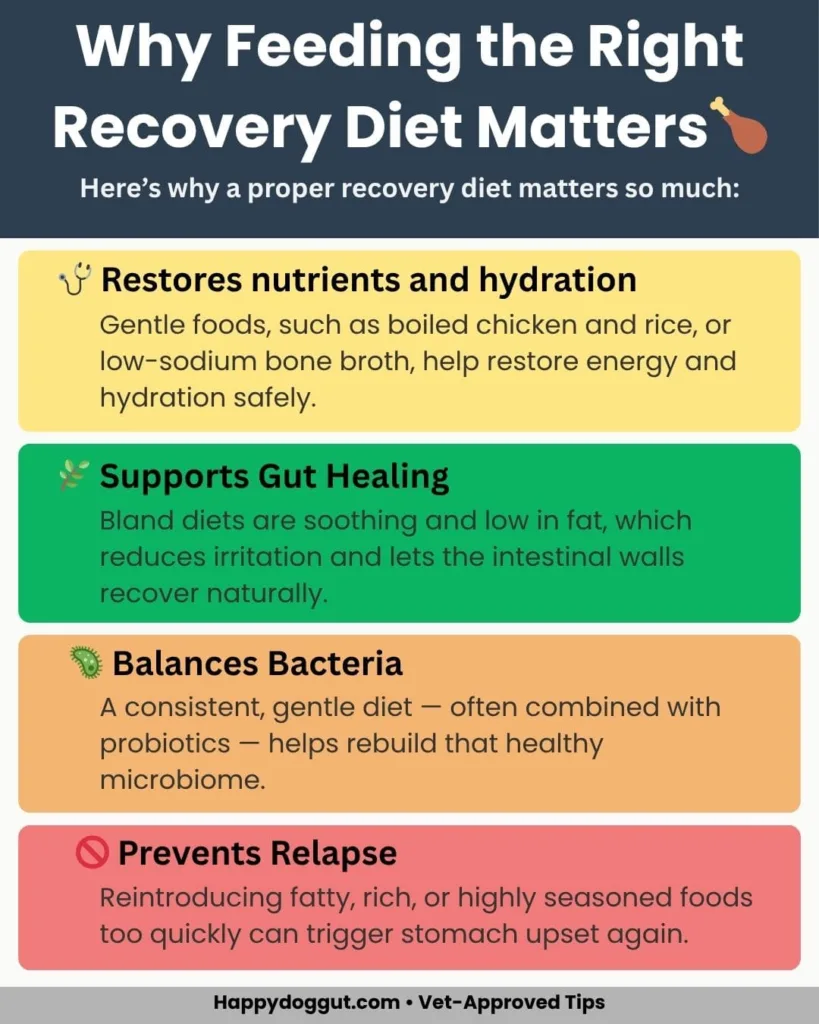
Here’s why a proper recovery diet matters so much:
- Restores nutrients and hydration: Diarrhea causes your dog to lose water, electrolytes, and vital minerals. Gentle foods, such as boiled chicken and rice, or low-sodium bone broth, help restore energy and hydration safely.
- Supports gut lining repair: Bland diets are soothing and low in fat, which reduces irritation and lets the intestinal walls recover naturally.
- Rebalances healthy gut bacteria: When digestion is upset, beneficial microbes in your dog’s gut can decline. A consistent, gentle diet — often combined with probiotics — helps rebuild that healthy microbiome.
- Prevents relapse: Reintroducing fatty, rich, or highly seasoned foods too quickly can trigger stomach upset again. Staying patient with bland meals for a few days keeps your dog’s tummy stable.
According to veterinary nutrition guidelines from the World Small Animal Veterinary Association (WSAVA), dogs recovering from diarrhea benefit from short-term diets made with highly digestible ingredients. Simple, easily tolerated foods help reduce stress on the gastrointestinal tract, support nutrient absorption, and allow stool quality to stabilize before a gradual return to a regular, balanced diet.
If diarrhea keeps coming back, it may indicate early signs of food intolerance.
💡 Pro Tip: If your dog’s stool is improving but still slightly soft, keep feeding the bland diet for one more day before gradually transitioning back to regular food. A slow and steady recovery diet is always safer than rushing the process.
Best Foods to Feed a Dog After Diarrhea (Vet Recommended)
If you’re wondering what to feed a dog after diarrhea, the key is to choose foods that are gentle, bland, and easy to digest. These simple, vet-recommended options calm the stomach, replace lost nutrients, and restore balance to your dog’s gut. Each of these foods is safe, effective, and perfect for short-term recovery.
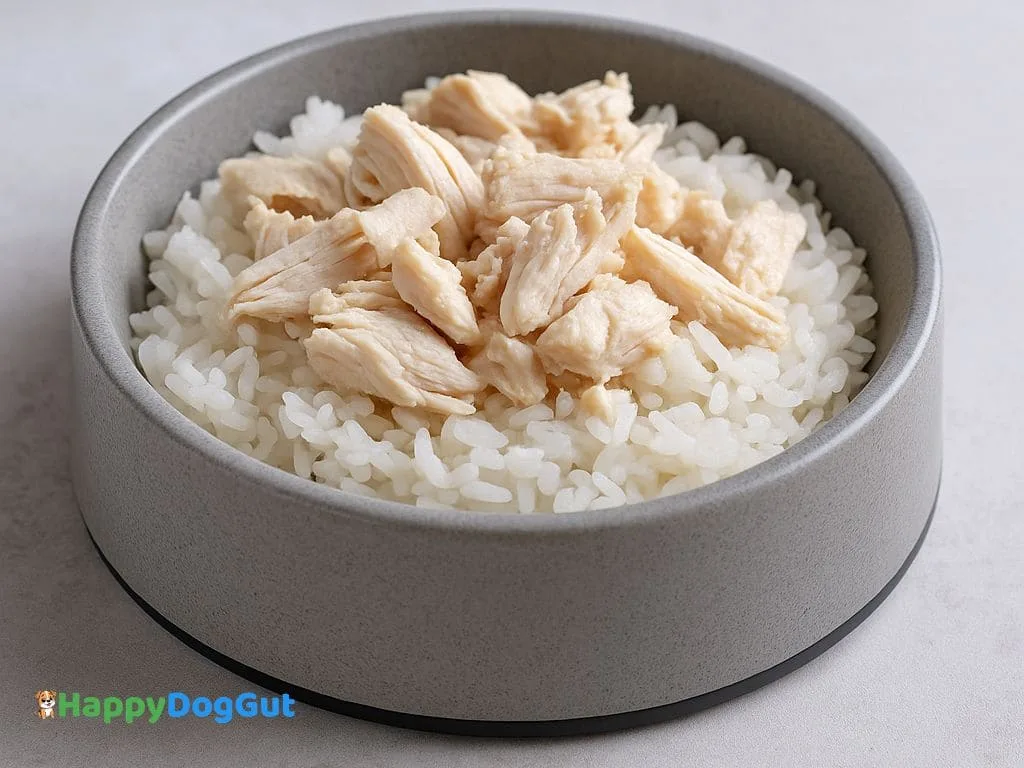
1️⃣ Boiled Chicken & White Rice 🍗🍚
This classic bland diet is the gold standard for what to feed a dog after diarrhea. Boiled, skinless chicken provides lean, digestible protein, while plain white rice offers soothing carbohydrates that firm up loose stools.
Feeding Guidelines:
- Ratio: 1 part chicken to 2 parts rice
- Serving: Small, frequent meals 3–4 times per day
- Duration: Continue for 2–3 days, then slowly reintroduce regular dog food
This simple, nourishing combo helps your dog regain strength without overwhelming their sensitive stomach. If you’d like detailed cooking steps and portion tips, check out our full guide on Homemade Chicken & Rice for Dogs with Diarrhea (Vet-Approved Recipe) — it walks you through the safest, vet-approved preparation method for faster recovery.
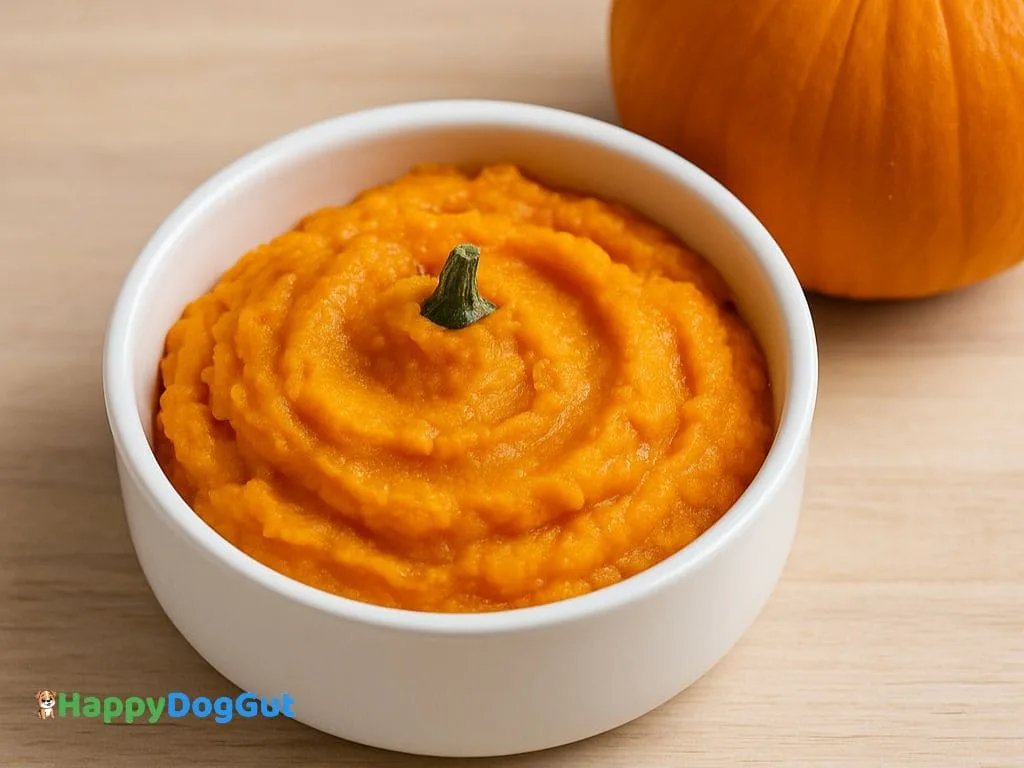
2️⃣ Plain Pumpkin 🎃
Pumpkin is one of the best natural remedies for dog diarrhea — it’s rich in soluble fiber that absorbs excess water and firms up stools while soothing the intestinal lining.
- Serving size: 1 teaspoon for small dogs, up to 1 tablespoon for large breeds
- Type: Use 100% pure canned or fresh cooked pumpkin (no sugar or spices)
Pumpkin not only aids digestion but also provides essential vitamins such as A and C for overall gut health.
🔗 Read more about the benefits of pumpkin here:
👉 Can I Give My Dog Pumpkin for a Sensitive Stomach? (Vet Answered)
3️⃣ Probiotics & Gut Support 🦠
After an episode of diarrhea, your dog’s gut microbiome may be off balance. Adding probiotics helps restore healthy bacteria, improves digestion, and enhances the immune system.
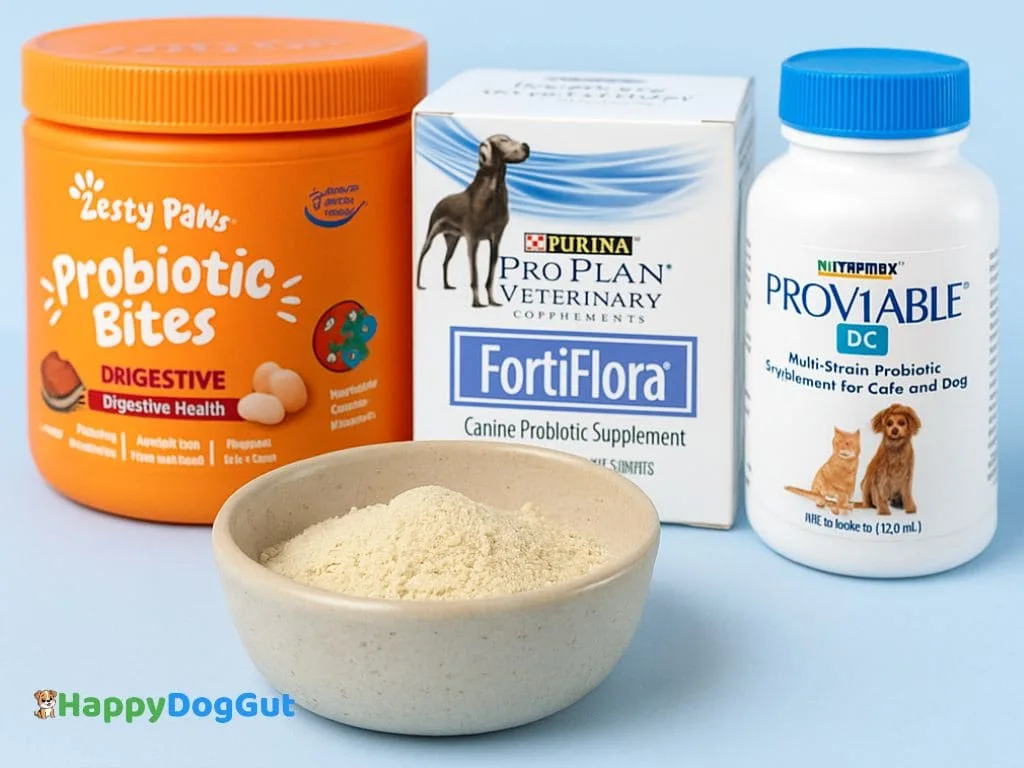
Vet-recommended probiotics include:
- Purina FortiFlora — proven to firm up stool consistency.
- Nutramax Proviable — supports gut flora restoration after antibiotics or diarrhea.
- Zesty Paws Probiotic Bites — great for daily gut maintenance.
These supplements can be mixed directly with your dog’s bland diet.
To support long-term stool firmness after diarrhea, many vets also recommend adding a small amount of dietary fiber. See our guide on the best fiber supplements for dogs with sensitive stomachs for safe options.
🔗 For the top-rated probiotic products, check out:
👉 Best Probiotics for Dogs with Sensitive Stomachs (2025 Vet Guide)
4️⃣ Bone Broth 💧
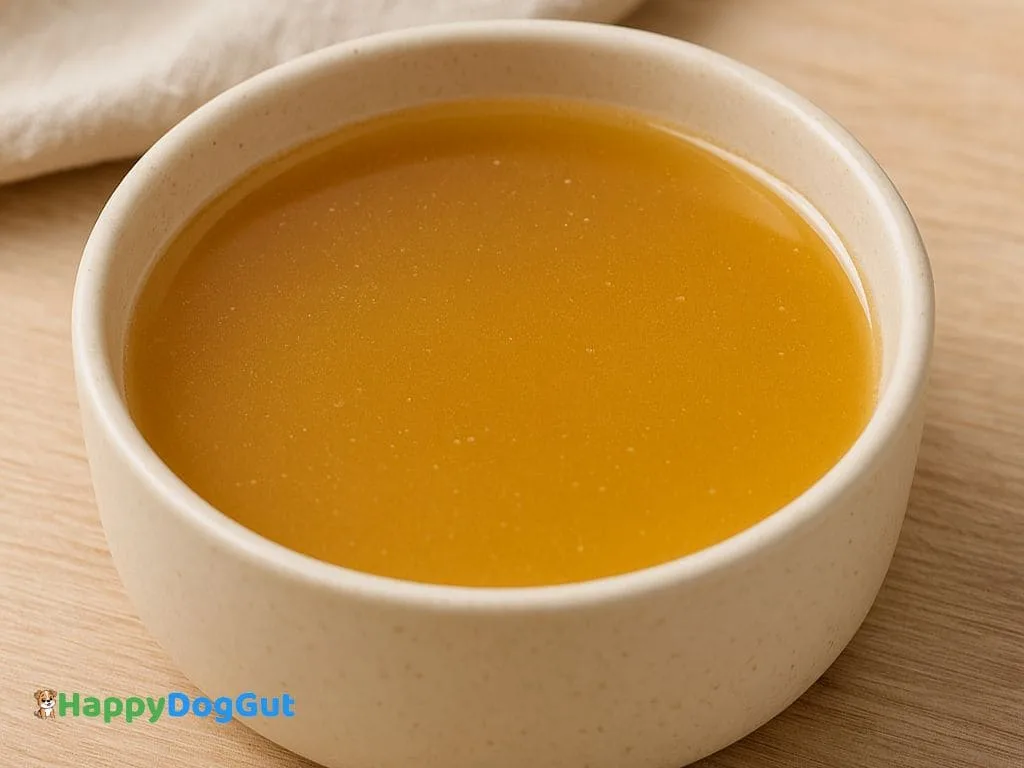
Bone broth is a soothing, nutrient-packed liquid that’s excellent for dogs recovering from diarrhea. It hydrates, replenishes electrolytes, and provides amino acids that help repair the gut lining.
How to prepare:
- Simmer chicken or beef bones in plain water for several hours
- Strain and cool before serving
- Never add salt, onions, garlic, or seasoning
💡 Tip: Pour a little bone broth over the chicken and rice mixture to make meals more appealing and hydrating.
5️⃣ Prescription or Sensitive-Stomach Dog Food 🥣
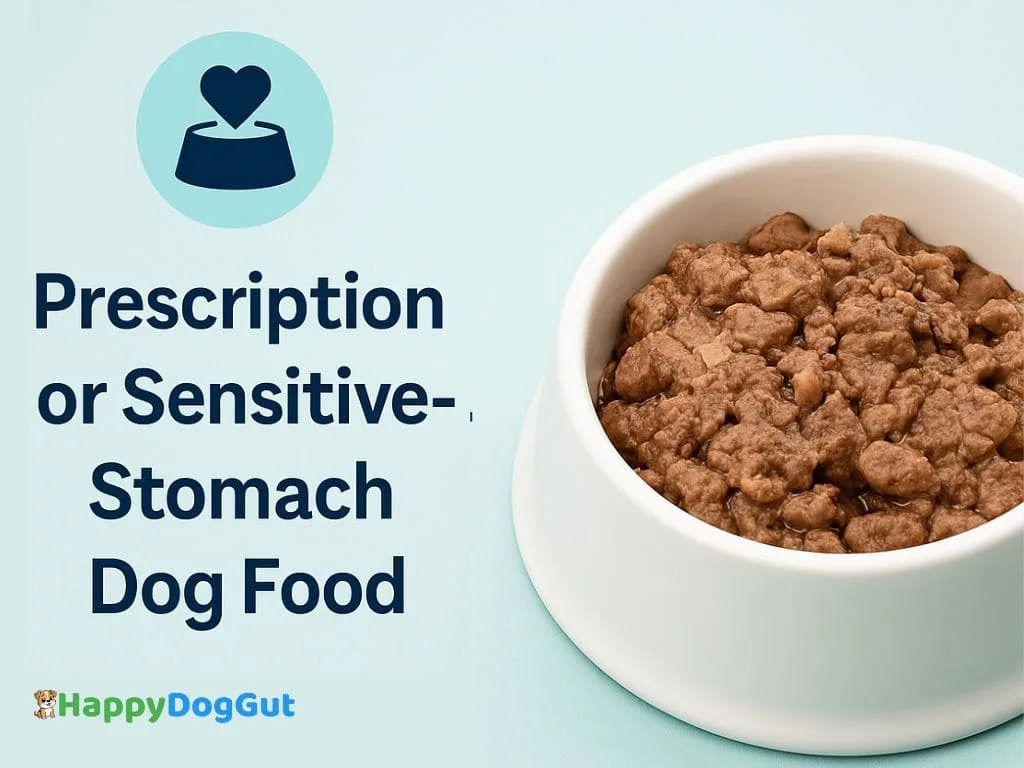
If your dog has recurrent digestive issues, consider switching to a sensitive-stomach or veterinary diet. These formulas are designed for easy digestion, lower fat content, and optimal gut health.
Top vet-approved options include:
- Hill’s i/d Digestive Care Wet or Dry Food
- Royal Canin Gastrointestinal Low Fat
- Purina Pro Plan EN Gastroenteric Formula
These foods are ideal for long-term maintenance after recovery or for dogs with chronic gut sensitivities.
🔗 For more information, visit:
👉 American Kennel Club’s Dog Diarrhea Recovery Guide
✅ Key Takeaway
If you’re figuring out what to feed a dog after diarrhea, remember:
- Stick to bland, low-fat, high-hydration foods
- Feed smaller, more frequent meals
- Introduce probiotics for gut balance
- Transition gradually to normal food once stools firm up
A few days of gentle feeding can make a big difference in how quickly your dog’s digestion returns to normal.
If symptoms return frequently, your dog may need one of the best dog foods for food intolerance.
Feeding Schedule & Portion Control During Recovery
The key to recovery feeding is slow and steady:
| Day | Food Plan | Notes |
|---|---|---|
| Day 1–2 | Small chicken & rice meals (3-4 ×/day) | Keep portions light and soft. |
| Day 3–4 | Gradually mix 25–50 % of normal food | Watch stool texture closely. |
| Day 5–6 | 75 % regular food + 25 % bland diet | Transition slowly. |
| Day 7+ | Fully back to a normal diet | Continue probiotics for gut balance. |
🔗 Need detailed transition steps?
Check Dog Food Transition Guide: How to Switch Without Stomach Upset
💡 Pro Tip: Feed on a consistent schedule (same times daily) to stabilize digestion.
Common Feeding Mistakes to Avoid After Dog Diarrhea
Many pet parents accidentally prolong tummy issues by feeding the wrong way after recovery.
Avoid these common mistakes:
❌ Switching back to regular food too quickly
❌ Feeding rich or fatty meats (like beef or pork)
❌ Offering treats or table scraps during recovery
❌ Ignoring portion size — overeating stresses the gut
Stick to small, frequent meals for the first few days and maintain hydration to prevent relapse.
Vet-Approved Supplements That Speed Up Recovery
Supplements can help strengthen your dog’s gut and reduce future episodes:
- 🦠 Probiotics — Restore gut flora balance.
- 🧬 Digestive Enzymes — Help absorb nutrients efficiently.
- 🐟 Omega-3 Fish Oil — Reduces gut inflammation and supports a healthy intestinal lining.
When combined with one of the best wet dog foods for sensitive stomachs, these supplements create long-term digestive resilience.
🚨 When to Call the Vet
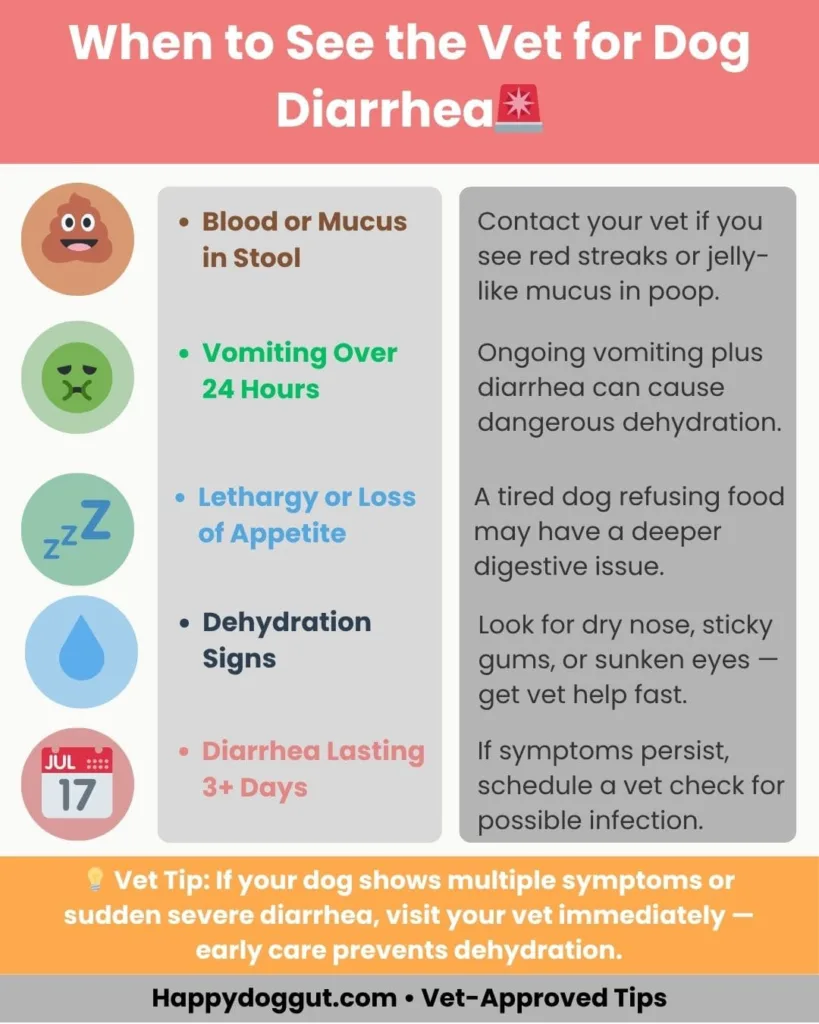
While mild cases improve within a couple of days, call your vet immediately if you notice:
- Blood or black color in the stool
- Persistent vomiting (over 24–48 hours)
- Lethargy or refusal to eat
- Dehydration (dry gums, sunken eyes)
- Diarrhea lasting more than 3 days
A persistent diarrhea can signal parasites, infection, or pancreatic issues — always better to get a professional check.
FAQs About What to Feed a Dog After Diarrhea
What should I feed my dog after diarrhea to help them recover?
If your dog just had diarrhea, start with a bland diet of boiled chicken and white rice — it’s gentle, hydrating, and easy to digest. Feed small portions (3–4 times daily) for 2–3 days, then slowly transition back to your dog’s regular food. You can also include plain pumpkin or bone broth for extra digestive support. These foods soothe the stomach while helping firm up stools naturally.
How long should I keep my dog on a bland diet after diarrhea?
Typically, you should feed a bland diet for 2 to 3 days or until your dog’s stool returns to normal consistency. If your dog’s poop is still soft but improving, continue for one more day. After that, gradually mix in their regular dog food over 4–5 days to prevent another upset.
Can I give my dog pumpkin after diarrhea?
Yes, plain pumpkin is one of the best natural remedies for dog diarrhea. Its soluble fiber helps absorb excess water and firm up loose stools. Use 1 teaspoon for small dogs and up to 1 tablespoon for large dogs. Always choose unsweetened, 100% pure canned pumpkin — not pie filling.
Is it safe to give my dog probiotics after diarrhea?
Absolutely. Probiotics help restore healthy gut bacteria that are often lost during a bout of diarrhea. They support digestion, boost immunity, and reduce the chances of recurring stomach upset. Vet-approved options like Purina FortiFlora, Nutramax Proviable, and Zesty Paws Probiotic Bites are excellent choices. You can mix them with chicken and rice meals or regular dog food once your dog starts feeling better.
What if my dog still has diarrhea after eating chicken and rice?
If diarrhea lasts more than 3 days, or if your dog shows symptoms like vomiting, blood in stool, lethargy, or dehydration, it’s time to call your vet. Persistent diarrhea could indicate an infection, food intolerance, or intestinal parasites. For ongoing tummy issues, your vet might recommend a prescription food such as Hill’s i/d Digestive Care or Royal Canin Gastrointestinal Low Fat to stabilize digestion.
Can I give my dog dry kibble after diarrhea?
Not right away. It’s best to wait until your dog’s stool is firm and consistent for at least 24 hours before reintroducing kibble. Start by mixing a small amount of their regular dry food with the chicken and rice blend, increasing the ratio of kibble each day. This gradual approach helps your dog’s gut adjust and prevents a relapse of diarrhea.
How can I prevent my dog from getting diarrhea again?
Consistency is key. Feed high-quality, balanced meals and avoid table scraps or fatty foods. Keep fresh water available at all times and maintain a routine feeding schedule. Adding probiotics or small amounts of plain pumpkin once or twice a week supports long-term digestive health. If your dog has frequent sensitivity, choose a sensitive-stomach dog food designed for easier digestion.
Should I be worried if my dog acts normal but still has soft stools?
Not necessarily. Occasional soft stools can be caused by minor diet changes, stress, or treats. If your dog is active, eating normally, and hydrated, it usually resolves on its own. However, if it lasts several days or becomes watery, it’s best to feed a bland diet and monitor closely. For deeper insights, read our guide: Why Does My Dog Have Soft Stools but Is Acting Normal? (Vet-Approved Guide)
Final Thoughts
If your dog has just recovered from diarrhea, a gentle recovery diet is the safest, fastest way to restore balance.
Feed small portions of boiled chicken and rice, keep them hydrated, and add a daily probiotic supplement once digestion stabilizes.
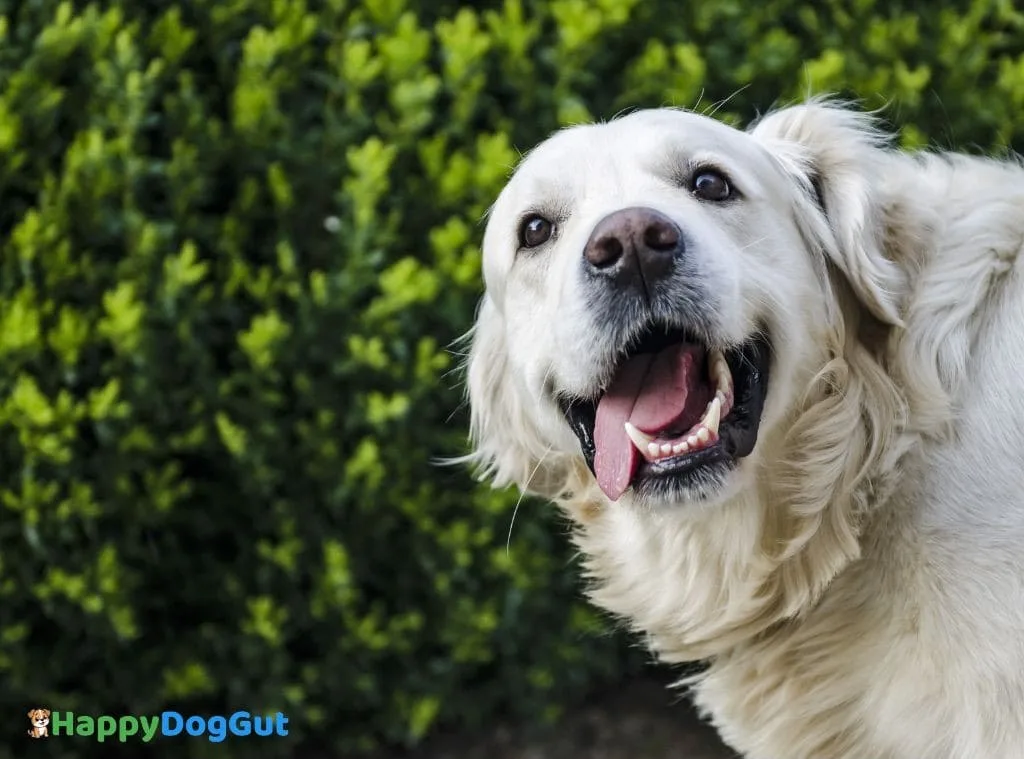
Once your dog starts recovering from diarrhea, gradually transitioning back to a stable, digestive-friendly diet is essential for preventing future episodes of loose stool. Many US pet owners find that switching to one of the Best Dog Foods for Loose Stool and Digestive Recovery helps maintain firm stools and reduces the risk of additional stomach upset during the recovery phase.
And gradually transition back to their regular diet — ideally one of the Best Dog Foods for Sensitive Stomachs for long-term digestive wellness.
🐾 Patience, consistency, and vet-approved nutrition will keep your dog’s tummy happy for years to come.

Hi, I’m Maddy, the writer behind HappyDogGut.com.
I’m passionate about helping Dog parents understand Gut Health, Sensitive Stomachs, and Natural Nutrition for dogs.
Every article I create is vet-approved, research-backed, and experience-driven, so your pup can enjoy a healthier, happier gut.
Happy Gut = Happy Dog!
All content on Happy Dog Gut follows our Editorial Policy.