
Diarrhea is common in dogs—but the panic around it is just as common. One loose or watery bowel movement can quickly send owners to Google, searching for answers and worrying about worst-case scenarios. The biggest confusion most owners face is simple: when to worry about diarrhea in dogs, and when it’s okay to pause, observe, and let the gut settle.
Part of the stress comes from not knowing where the line is. A single bad stool after a diet change looks very different from diarrhea that keeps getting worse or shows up with other changes. Without clear boundaries, it’s easy to treat every episode like an emergency—or, on the flip side, ignore signs that deserve closer attention.
Many searches around dog diarrhea are fear-driven, not because something is always serious, but because owners want reassurance and clarity. Dogs can have digestive changes while still acting playful and normal, which adds another layer of uncertainty. If you’ve ever noticed soft stools while your dog seems completely fine, understanding Why does My dog have Soft Stools but is Acting normal can help put those signs into perspective.
This guide is designed to offer calm, practical boundaries—so you know what’s typical, what’s not, and how duration, stool appearance, and behavior fit together. You’ll also learn how timelines matter by understanding How long does Diarrhea last in dogs, helping you decide when observation is enough and when concern is reasonable.
⚠️ This article is for educational purposes only and does not replace veterinary advice.
What Is Considered Normal Diarrhea in Dogs?
Not every case of diarrhea means something is wrong. In many dogs, mild, short-term diarrhea is a common digestive response and often improves on its own with time and observation.
🟢 Mild, Short-term Diarrhea
Normal diarrhea usually lasts a short period and shows gradual improvement. It may follow a diet change, mild stress, or eating something unusual. As long as stool quality starts improving and your dog seems comfortable, this type of diarrhea is often part of a temporary digestive upset.
💩 Loose Stool vs Watery Stool
Loose stool is softer than normal but still somewhat formed. Watery stool has very little shape and may happen more urgently. Loose stool is often less concerning, especially if it’s occasional. Watery diarrhea deserves closer observation, particularly if it happens repeatedly.
🐾 Dog Acting Normal vs Unwell
How your dog behaves matters just as much as stool appearance. Dogs with normal diarrhea often remain playful, alert, and interested in food. When diarrhea is paired with low energy, poor appetite, or behavior changes, it may signal that something more than a mild upset is going on.
Understanding what’s considered “normal” helps owners stay calm, avoid unnecessary panic, and focus on patterns rather than reacting to a single bowel movement.
When to Worry About Diarrhea in Dogs
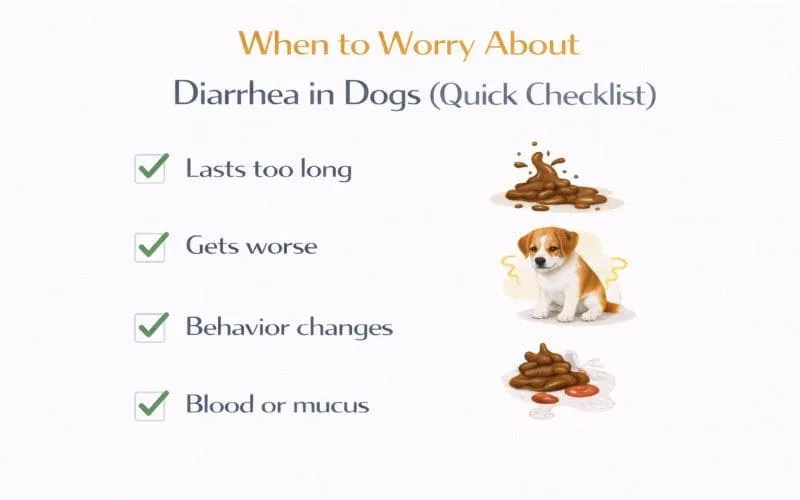
If you’re trying to decide whether diarrhea is still within a normal range or needs closer attention, this expanded checklist can help you look at the full picture—without panic.
⚠️ Lasting longer than expected
Diarrhea that continues for several days without improvement, or keeps returning after short breaks, may no longer be considered mild. Duration often matters more than how bad a single episode looks.
⚠️ Getting worse instead of better
Normal digestive upset tends to slowly improve. If stools become more watery, more frequent, or harder to control over time, that change in direction is important to notice.
⚠️ Very frequent Bowel movements
Needing to go outside repeatedly throughout the day—especially with little stool produced each time—can put extra stress on the digestive system and increase fluid loss.
⚠️ Watery Stool with no form
Watery diarrhea leads to faster fluid loss than soft but formed stool. Repeated watery bowel movements deserve closer monitoring, even if your dog seems okay otherwise.
⚠️ Changes in Appetite
A dog that suddenly stops eating, skips multiple meals, or shows little interest in food along with diarrhea may be experiencing more than a mild upset.
⚠️ Lower Energy or Behavior changes
Diarrhea paired with lethargy, restlessness, hiding, or “not acting like themselves” can be more meaningful than stool changes alone.
⚠️ Blood or Mucus appearing repeatedly
Occasional mucus can happen with irritation, but repeated mucus or visible blood in stool is a sign that the gut may be more inflamed than usual.
This checklist isn’t meant to diagnose anything. It simply helps owners recognize when diarrhea shifts from a short-term digestive issue to something that deserves extra attention.
Duration Rules — How Long Is Too Long?
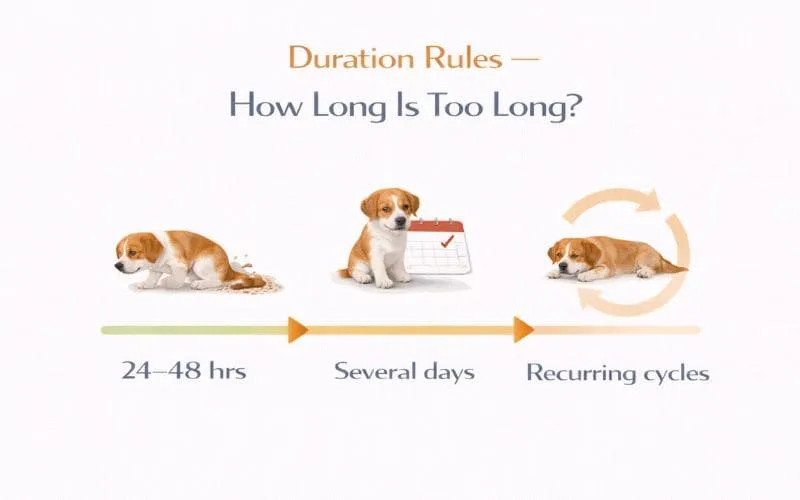
When it comes to diarrhea in dogs, time is one of the clearest signals for deciding whether to simply observe or start paying closer attention. Looking at duration alongside improvement patterns helps remove guesswork.
🟢 24–48 hours vs Several days
Mild diarrhea often improves within one to two days. During this window, stool may still be loose but should show signs of settling. Diarrhea that continues beyond several days without improvement is less likely to be a simple digestive upset and deserves closer evaluation.
📈 Improvement matters more than perfection
Recovery doesn’t usually happen all at once. What matters is direction. Fewer bowel movements, slightly firmer stool, or longer gaps between episodes are all signs that digestion is stabilizing. If stool looks the same—or worse—day after day, that lack of change is meaningful.
🔁 Repeating Cycles are a Red Flag
Diarrhea that improves briefly but keeps coming back follows a different pattern than short-term upset. These repeating cycles can suggest ongoing digestive sensitivity or a trigger that hasn’t been addressed, rather than something that will resolve with time alone.
Understanding timelines helps owners avoid both extremes—panicking too early or waiting too long. If you want a deeper breakdown of typical recovery windows, learning How long does Diarrhea last in Dogs can provide helpful context for comparing what’s normal versus what’s not.
Stool Color Changes That Should Raise Concern
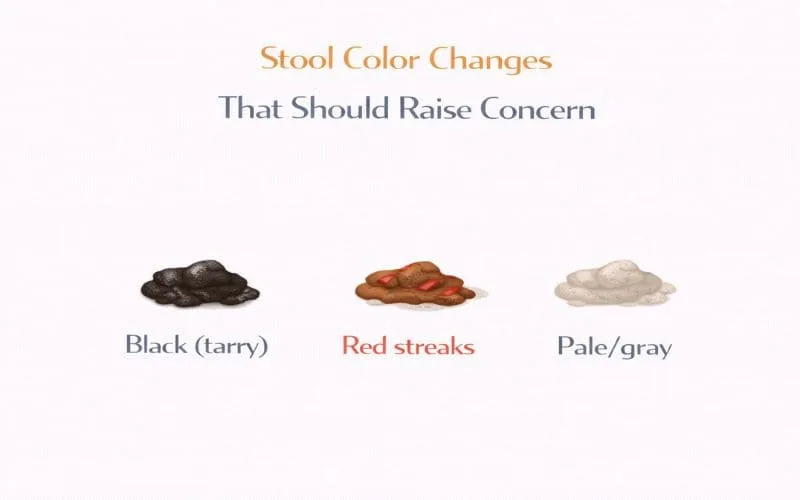
Stool color can offer helpful clues about what’s happening in your dog’s digestive system. While color changes don’t always mean something serious, certain patterns deserve closer observation—especially when they appear alongside diarrhea.
⚫ Black or Tarry Stool
Very dark, sticky, or tar-like stool can indicate that digestion isn’t happening normally. This type of stool suggests that something has altered how waste moves through the gut. While a single dark stool isn’t always alarming, repeated black or tarry stools should not be ignored.
🔴 Bright Red Blood Streaks
Small streaks of bright red blood on the surface of stool are often linked to irritation in the lower digestive tract, especially the colon. Occasional streaks can happen with straining or inflammation, but blood that appears repeatedly or increases over time is worth paying attention to.
⚪ Pale or Gray Stool
tool that looks unusually pale, clay-colored, or gray may signal that digestion and absorption aren’t functioning as usual. This type of color change is less common and becomes more meaningful if it shows up consistently rather than as a one-time change.
Color alone doesn’t tell the full story. Looking at stool color together with duration, frequency, and your dog’s behavior gives a clearer picture. For a visual breakdown of what different colors and textures can mean, our Dog Poop Color and Texture guide provides a helpful reference for normal versus concerning patterns.
Blood or Mucus in Dog Stool — What It May Signal
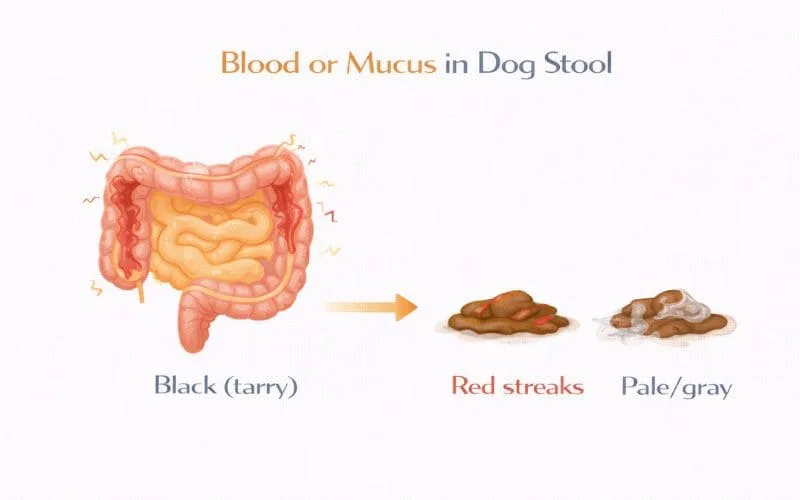
Seeing blood or mucus in your dog’s stool can be unsettling, but these signs don’t always point to the same level of concern. Understanding patterns helps owners respond calmly rather than react to a single observation.
🟡 Small amounts of Mucus vs Frequent Mucus
Mucus is produced by the colon to protect and lubricate the digestive tract. A small amount of mucus can occasionally appear when the colon is irritated, especially during diarrhea. However, frequent or increasing mucus over several bowel movements may suggest ongoing irritation rather than a one-time upset.
🔴 Occasional Blood vs Repeated Blood
A small streak of bright red blood on the surface of stool can sometimes occur with straining or temporary inflammation in the lower gut. When blood appears repeatedly, increases over time, or is mixed throughout the stool rather than on the surface, it becomes more meaningful and deserves closer observation.
🧠 Colon Irritation as a Possible explanation
Both mucus and bright red blood are often linked to irritation in the colon, where stool is formed and stored. When the colon is inflamed or stressed, it can produce extra mucus or allow small amounts of blood to appear. This doesn’t automatically indicate a serious problem, but repeated signs suggest the gut may not be fully settling.
Looking at how often these signs occur—and whether they improve or persist—helps distinguish between short-term irritation and patterns that warrant closer attention.
Changes in Energy, Appetite, or Behavior
When deciding whether to worry about diarrhea in dogs, behavior often matters more than stool appearance alone. How your dog feels and acts can provide some of the clearest clues about what’s going on.
🐾 Lower Energy or Lethargy
A dog with mild digestive upset usually continues to move, play, and engage with their surroundings. When energy drops noticeably—such as sleeping more than usual, avoiding activity, or seeming unusually tired—it can signal that diarrhea is affecting overall comfort.
🍽️ Refusing Food or Skipping Multiple Meals
Temporary appetite changes can happen with mild stomach upset, but ongoing refusal to eat is more meaningful. When a dog repeatedly ignores meals or shows no interest in food alongside diarrhea, it may indicate that the digestive system is under more stress than a simple upset.
🧠 “Not Acting like themselves”
Owners often notice subtle behavior changes before anything else. Restlessness, hiding, increased clinginess, or a general sense that your dog just isn’t themselves can be important signals. These shifts often matter more than stool quality alone.
Stool changes are easy to see, but behavior shows how the body is coping overall. When diarrhea is paired with noticeable changes in energy, appetite, or behavior, it deserves closer attention—even if stool changes seem mild.
When Diarrhea May Point to an Ongoing Gut Issue
Most diarrhea episodes are short-term, but certain patterns suggest the digestive system may be dealing with a longer-term challenge rather than a temporary upset.
🔁 Recurrent Diarrhea
If diarrhea improves briefly but keeps coming back, it may indicate that an underlying trigger hasn’t been resolved. Repeating cycles often point to ongoing digestive sensitivity rather than a one-time reaction to food or stress.
💩 Stool that Never fully Firms up
Some dogs don’t have constant watery diarrhea, but they also never produce consistently firm stools. This “in-between” pattern—soft, loose, or unpredictable stool over long periods—can be a sign that the gut isn’t fully recovering between flare-ups.
🧠 Gut Inflammation as a Possible factor
Ongoing irritation in the digestive tract can interfere with normal stool formation. While this doesn’t automatically mean a serious condition, chronic inflammation may play a role when diarrhea becomes persistent or unpredictable. In these situations, diet often becomes a key part of long-term support rather than short-term symptom management.
For dogs showing these patterns, learning about structured feeding approaches can be helpful. Our guide on Diet Support for dogs with IBD explains how targeted diet strategies are commonly used to support dogs with inflamed or sensitive digestive systems—without jumping to conclusions or self-diagnosis.
Recognizing these patterns early helps owners shift focus from waiting it out to supporting gut balance over time.
Puppies, Seniors, and Small Dogs — Extra Caution Needed
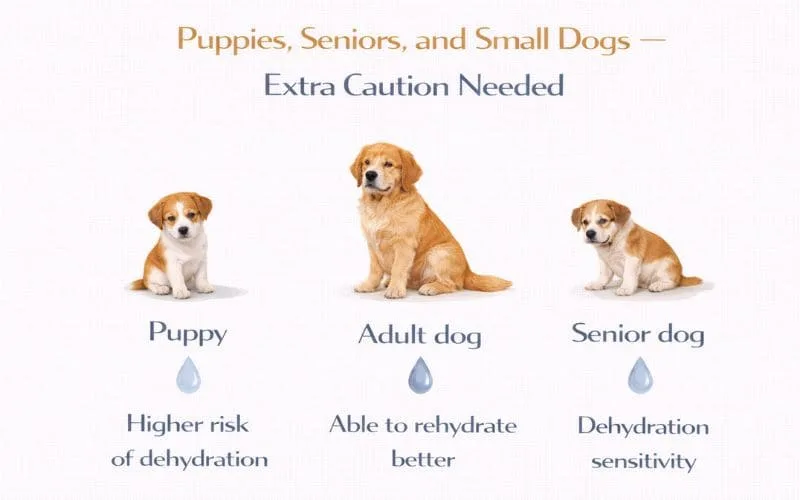
Some dogs need a little extra care and observation when diarrhea shows up. Puppies, Senior dogs, and Small breeds are often more sensitive to digestive changes, even when symptoms appear mild.
💧 Faster Dehydration Risk
These dogs have smaller fluid reserves, which means water loss can affect them more quickly. Even short periods of diarrhea may have a bigger impact on hydration compared to healthy adult dogs.
⚖️ Smaller Margin for error
Puppies are still developing their digestive systems, while senior dogs may process food more slowly as they age. Small dogs also have less room for fluctuation. Because of this, what looks like “mild” diarrhea in a large adult dog may need closer observation in these groups.
👀 Why observation matters more than panic
Extra caution doesn’t mean immediate alarm. It simply means paying closer attention to stool changes, energy levels, appetite, and water intake. Noticing small shifts early helps owners respond calmly and appropriately.
With thoughtful monitoring and consistency, most puppies, seniors, and small dogs recover just fine—often with nothing more than time and supportive care.
What You Can Do While Monitoring at Home
When diarrhea appears mild and your dog otherwise seems comfortable, calm monitoring at home can be a helpful first step. The goal is to support digestion without creating confusion from too many changes at once.
👀 Simple Observation Checklist
Pay attention to patterns rather than isolated moments. Notice how often your dog has bowel movements, whether stool consistency is improving, and if energy and appetite remain normal. Small improvements—like fewer trips outside or slightly firmer stool—often signal that recovery is underway.
💧 Stay Aware of Hydration
Even mild diarrhea can affect fluid absorption. Make sure fresh water is always available and note whether your dog is drinking normally. Hydration habits are just as important to watch as stool quality, especially over several days.
⚖️ Avoid making Multiple changes at once
It’s tempting to switch foods, add supplements, and try home remedies all at the same time. Doing too much too quickly can make it harder to tell what’s actually helping—or worsening—digestive symptoms. Consistency often supports the gut better than constant adjustments.
For mild cases, home care may include hydration support and dietary adjustments. One common approach is using electrolyte solutions to help replace lost fluids and minerals. Our detailed guide on Electrolytes for dogs with diarrhea explains safe usage and when it’s appropriate.
If diet changes are being considered, understanding What to feed a dog after Diarrhea can provide guidance on gentle, short-term feeding approaches. For dogs that tend to struggle with stool consistency, learning about Dog foods for Loose stool may also help owners plan longer-term digestive support.
A steady, observant approach helps many dogs recover comfortably while giving owners clearer insight into what their dog truly needs.
When to See a Vet
Most cases of diarrhea don’t require immediate veterinary care, but there are moments when getting professional guidance is the most responsible next step. Knowing these triggers helps owners act with confidence rather than fear.
🧭 Clear Trigger Summary
It’s time to consider seeing a vet when diarrhea no longer follows a typical pattern. Signs such as ongoing symptoms, noticeable behavior changes, repeated watery stools, or visible blood or mucus that doesn’t improve over time all suggest the gut may need extra support.
⏱️ Duration and Severity together matter
How long diarrhea lasts is important—but how intense it becomes matters just as much. Diarrhea that lasts several days without improvement, becomes more watery, or happens many times a day places additional stress on the body and shouldn’t be ignored.
🐾 Look at the whole dog, not just the stool
Energy levels, Appetite, Hydration, and Overall comfort provide valuable context. When diarrhea starts affecting how your dog feels or behaves, it’s a sign that observation alone may no longer be enough.
🩺 A veterinarian can help determine whether symptoms are part of a temporary digestive upset or whether further evaluation is needed—especially when diarrhea doesn’t improve within expected timelines.
Understanding warning signs is the first step, but knowing When to See a Vet for Loose Stool provides the next level of clarity when symptoms persist or patterns become more concerning.
For additional reassurance, the American Kennel Club also shares general guidance on digestive upset in dogs, including common causes and signs owners may want to observe. Their overview of general guidance on dog diarrhea supports a calm, informed approach without encouraging unnecessary panic.
Seeking guidance isn’t about overreacting; it’s about supporting your dog’s well-being when patterns suggest they may need more than time and home care.
FAQs: When to Worry About Diarrhea in Dogs
When is dog diarrhea an emergency?
Diarrhea isn’t automatically an emergency. It becomes more concerning when it’s severe, lasts longer than expected, or appears alongside other changes like low energy, refusal to eat, or dehydration signs. Patterns matter more than a single episode.
Is blood in dog poop always serious?
Not always. Small streaks of bright red blood can sometimes appear with temporary colon irritation or straining. However, repeated blood, increasing amounts, or blood mixed throughout the stool deserves closer attention.
How long can dog diarrhea last safely?
Mild diarrhea often improves within 24–48 hours. If it continues for several days without improvement or keeps returning in cycles, it may no longer be considered typical and should be monitored more closely.
Should I wait 24 hours before worrying?
In many mild cases, yes—observation for a short period is reasonable. What matters is whether symptoms begin to improve. If diarrhea worsens, becomes watery, or is paired with behavior changes, waiting may no longer be the best approach.
Can stress cause concerning diarrhea?
Stress can affect digestion and sometimes trigger diarrhea, especially in sensitive dogs. Stress-related diarrhea often improves once routines settle, but ongoing or severe symptoms shouldn’t be assumed to be stress-related without observation.
Is mucus in dog stool normal sometimes?
Occasional mucus can appear when the colon is irritated and doesn’t always signal a serious issue. Frequent or increasing mucus over several bowel movements may suggest ongoing gut irritation rather than a one-time upset.
Do puppies need faster vet care for diarrhea?
Puppies are more sensitive to fluid loss and may dehydrate faster than adult dogs. While mild diarrhea can still resolve on its own, puppies generally benefit from closer monitoring and earlier guidance if symptoms persist.
What symptoms matter most with diarrhea?
Duration, severity, and behavior changes are key. Diarrhea paired with low energy, appetite loss, repeated vomiting, or dehydration signs matters more than stool appearance alone.
Final Thoughts
Diarrhea in dogs isn’t automatically an emergency. In many cases, it’s a short-term digestive response that improves with time and consistency. What truly matters is not a single loose stool—but the pattern that follows.
Looking at how long diarrhea lasts, whether it’s improving or worsening, and how your dog feels overall provides far more clarity than reacting to one episode. Duration, severity, and behavior together tell a more complete story than stool appearance alone.
Mild diarrhea that improves within expected timelines is very different from symptoms that linger, repeat, or come with changes in energy or appetite. Understanding How long does Diarrhea last in dogs can help set realistic expectations and reduce unnecessary worry.
Watching small changes—like firmer stools, fewer bathroom trips, or a returning appetite—often signals recovery. For dogs with ongoing patterns, learning about Best Dog foods for Chronic Diarrhea and Diet Support for dogs with IBD can offer helpful context around longer-term gut support.
Staying informed, observant, and calm helps most owners make confident decisions—without fear—while supporting their dog’s digestive comfort over time.

Hi, I’m Maddy, the writer behind HappyDogGut.com.
I’m passionate about helping Dog parents understand Gut Health, Sensitive Stomachs, and Natural Nutrition for dogs.
Every article I create is vet-approved, research-backed, and experience-driven, so your pup can enjoy a healthier, happier gut.
Happy Gut = Happy Dog!
All content on Happy Dog Gut follows our Editorial Policy.
Pingback: How Long Does Diarrhea Last in Dogs? Timeline & When to Worry
Pingback: Best Dog Foods for Chronic Diarrhea – Long-Term Gut Support Guide
Pingback: How Long Does a Dog’s Upset Stomach Last? Timeline & When to Worry