
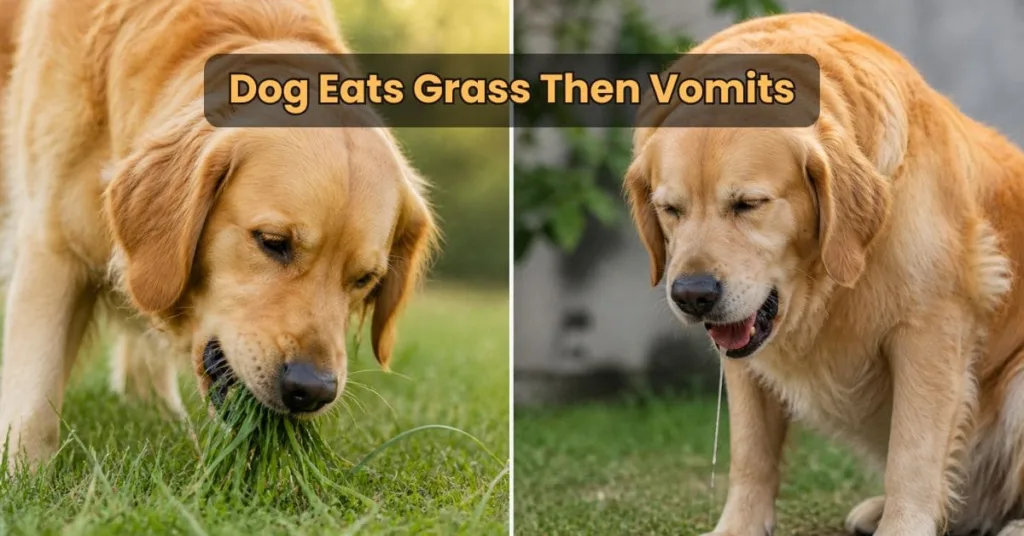
If you’ve ever caught your dog eating grass and then throwing up shortly after, you’re not alone—and you’re definitely not the only one wondering if something is wrong. For many dog owners, this behavior can feel confusing and even a bit alarming, especially when it happens more than once.
The truth is, when a dog eats grass then vomits, it’s actually a fairly common behavior. Some dogs do it occasionally with no serious consequences, while others repeat it more frequently—making it harder to tell whether it’s normal or a sign of an underlying issue. In many cases, dogs may eat grass to relieve mild stomach discomfort, while in others, it could be linked to gut imbalance, poor digestion, diet issues, or even behavioral factors like boredom or stress.
What makes this topic tricky is that grass-eating doesn’t always mean the same thing. For one dog, it might be harmless and instinctive. For another, it could be an early warning sign that something isn’t right in their digestive system.
That’s why it’s important to understand the why behind this behavior—not just the symptom itself. By learning what causes a dog to eat grass and vomit, you’ll be able to recognize when it’s safe to ignore and when it’s time to take action to protect your dog’s health.
Why Do Dogs Eat Grass and Then Vomit?
If you’ve noticed that your dog eats grass then vomits, it might seem strange—but this behavior is actually more common than you think. The important thing to understand is that there isn’t just one single reason behind it. In most cases, it’s a combination of instinct, digestion, and everyday factors.
Here are the most common reasons why this happens:
🌿 Instinctive Behavior
Dogs are natural scavengers, and their ancestors in the wild often consumed plant material along with prey. Because of this, eating grass can simply be an instinctive behavior—something dogs do without a clear medical reason.
In many cases, dogs will eat grass occasionally and remain perfectly healthy afterward.
🤢 Self-Induced Vomiting
One of the most widely accepted explanations is that dogs may eat grass to make themselves vomit.
Grass has a rough texture that can irritate the stomach lining. This irritation can trigger a vomiting reflex, which may help your dog:
- Clear out something that doesn’t agree with them
- Relieve mild stomach discomfort
- Reset their digestive system
👉 This is why you’ll often see a dog eat grass quickly and then vomit shortly after.
🍽️ Digestive Discomfort
Sometimes, grass eating is a response to an upset stomach.
If your dog is feeling nauseous or experiencing digestive discomfort, they may instinctively look for something to help relieve that feeling—and grass can act as a quick trigger.
This is especially common in dogs with:
- Sensitive stomachs
- Mild gut imbalance
- Occasional digestive issues
⏳ Hunger or Empty Stomach
Dogs are more likely to eat grass when their stomach is empty—especially early in the morning or between meals.
An empty stomach can lead to:
- Acid buildup
- Nausea
- Discomfort
Eating grass may temporarily relieve that feeling, but it can also lead to vomiting.
👉 If this happens regularly, it may be worth adjusting your dog’s feeding schedule.
🐾 Curiosity, Boredom, or Habit
Not every case of grass eating is related to health.
Some dogs eat grass simply because:
- They’re bored
- They enjoy the texture
- It becomes a habit over time
In these situations, vomiting may happen occasionally, but it’s not always the primary goal—it’s just a side effect.
🧠 Key Takeaway
In most cases, when a dog eats grass then vomits, it’s not immediately dangerous. However, the context matters.
👉 Occasional behavior = usually normal
👉 Frequent or repeated episodes = worth investigating
Understanding the reason behind it is the first step toward deciding whether you need to take action.
Is It Normal for Dogs to Eat Grass?
Yes—in most cases, it is completely normal for dogs to eat grass.
In fact, grass-eating is one of the most commonly observed behaviors in dogs, and many healthy dogs do it occasionally without any serious consequences. The key difference lies in how often it happens and what follows afterward.
🟢 Occasional Grass Eating = Normal Behavior
If your dog eats grass once in a while and doesn’t show any other symptoms, it’s usually nothing to worry about.
Research and veterinary observations suggest that:
- Many dogs eat grass simply out of instinct
- Most dogs do not appear sick before eating grass
- Only a small percentage actually vomit afterward
👉 This means grass-eating is often just a natural behavior, not necessarily a sign of illness.
🔴 Frequent Grass Eating + Vomiting = Potential Problem
If your dog eats grass regularly—especially if it’s followed by vomiting—it may indicate something deeper.
Frequent behavior could be linked to:
- Ongoing digestive discomfort
- Gut imbalance
- Diet-related issues
- Stress or anxiety
👉 In these cases, it’s important to look beyond the behavior and understand the root cause.
🐶 Puppies vs Adult Dogs
Grass-eating behavior can also vary depending on your dog’s age.
- Puppies
- More likely to explore and eat grass out of curiosity
- Usually harmless unless paired with symptoms
- Adult Dogs
- More likely to eat grass due to digestion-related reasons
- Repeated behavior may signal underlying issues
⚡ Simple Rule:
👉 Occasional = Normal
👉 Repeated + Vomiting = Investigate
🧠 What You Should Watch For
Instead of focusing only on the behavior, pay attention to patterns:
- How often does it happen?
- Does your dog vomit every time?
- Are there other symptoms like diarrhea or low energy?
👉 These details will help you determine whether it’s just a harmless habit—or something that needs attention.
Common Reasons Why Dogs Eat Grass and Vomit
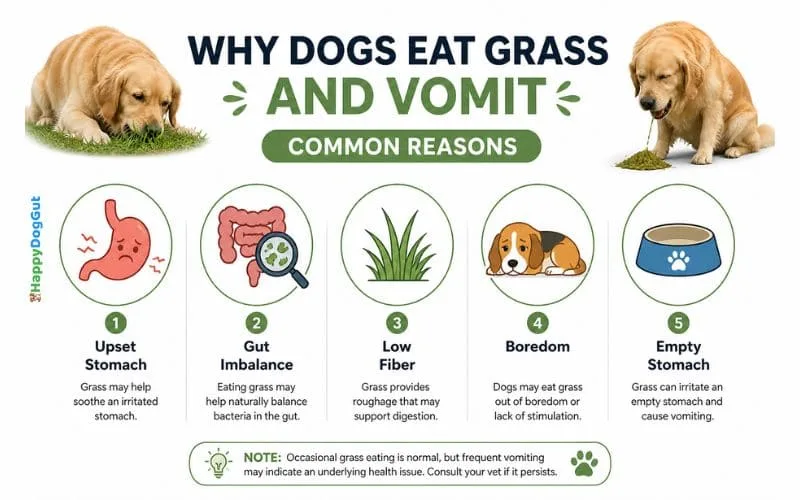
If your dog eats grass and then vomits, it’s usually not random behavior. In most cases, there’s an underlying reason—either related to digestion, nutrition, or behavior.
Understanding these causes can help you figure out whether it’s harmless or something that needs attention.
🤢 Upset Stomach
One of the most common reasons dogs eat grass is to relieve an upset stomach.
When a dog feels mild nausea or discomfort, they may instinctively eat grass to trigger vomiting. This can help them:
- Clear out something that doesn’t agree with them
- Relieve pressure in the stomach
- Reset their digestive system
👉 If your dog frequently shows signs of stomach discomfort, you can explore simple remedies in How to calm a dog’s upset stomach naturally.
🦠 Gut Imbalance
Another major cause is an imbalance in gut bacteria.
When the digestive system isn’t functioning properly, dogs may experience discomfort that leads them to eat grass. Poor gut health can affect digestion, stool quality, and overall well-being.
👉 To understand how this works, check Dog Gut Bacteria explained, which covers how gut balance impacts your dog’s health.
🌾 Nutrient Deficiency (Especially Fiber)
In some cases, dogs may eat grass because their diet is lacking certain nutrients—especially fiber.
Fiber plays an important role in digestion, and a deficiency can lead to:
- Irregular bowel movements
- Digestive discomfort
- Increased urge to eat grass
👉 Adding fiber can help improve gut balance. You can explore options in High-fiber dog foods for firm stool.
😟 Boredom or Anxiety
Not all grass-eating is related to physical health.
Some dogs eat grass simply because they’re:
- Bored
- Anxious
- Lacking mental stimulation
This behavior is more common in dogs that don’t get enough exercise or enrichment. In these cases, vomiting may happen occasionally, but the root cause is behavioral rather than digestive.
⏳ Eating Too Fast or Having an Empty Stomach
Dogs with empty stomachs—especially in the morning—are more likely to eat grass and vomit.
This can happen due to:
- Acid buildup in the stomach
- Long gaps between meals
- Eating too quickly
👉 This is why some dogs vomit yellow bile after eating grass early in the day.
Adjusting feeding schedules or portion sizes can often reduce this behavior.
🧠 Key Takeaway
There isn’t just one reason behind this behavior—it’s usually a mix of factors.
👉 The goal is to identify the pattern and underlying cause, so you can address it properly instead of just reacting to the symptoms.
When Should You Worry?
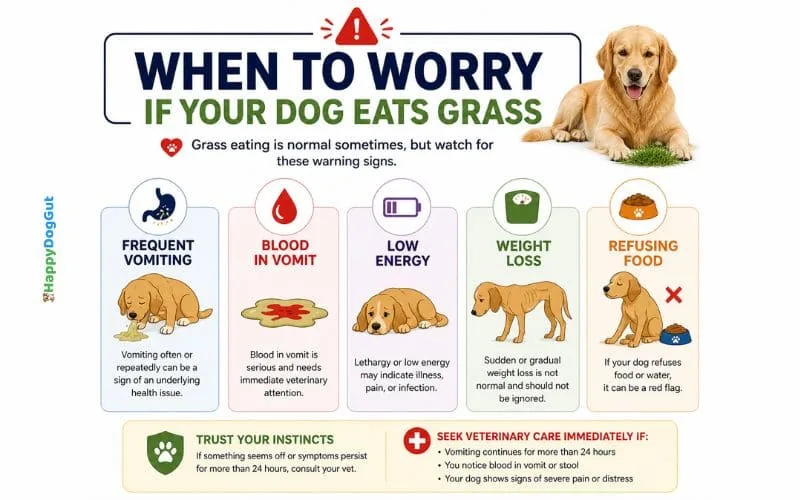
While occasional grass-eating followed by vomiting is usually harmless, there are situations where it can signal a more serious problem. The key is to look beyond the behavior itself and pay attention to frequency, severity, and additional symptoms.
If you notice any of the signs below, it’s important not to ignore them.
🤮 Vomiting Frequently
If your dog eats grass and vomits occasionally, it’s often normal. But if this happens multiple times a week or daily, it may indicate an underlying digestive issue.
Frequent vomiting can suggest:
- Ongoing stomach irritation
- Gut imbalance
- Diet-related problems
👉 Repeated episodes should always be taken seriously rather than treated as a habit.
🩸 Blood in Vomit
Seeing blood in your dog’s vomit is a major red flag and should never be ignored.
It may indicate:
- Irritation or damage to the stomach lining
- Infection
- More serious internal conditions
👉 Even a small amount of blood is enough reason to contact a veterinarian immediately.
😴 Lethargy or Low Energy
If your dog seems unusually tired, weak, or less active than usual, it could mean their body is struggling.
When digestive issues affect nutrient absorption, it can lead to:
- Low energy
- Weakness
- Reduced interest in normal activities
🍽️ Refusing Food
A healthy dog rarely refuses food for long.
If your dog is:
- Skipping meals
- Showing no interest in food
- Eating less than usual
👉 It may signal discomfort, nausea, or a deeper health issue.
⚖️ Unexplained Weight Loss
Weight loss without any change in diet or activity level is another serious warning sign.
It can be linked to:
- Poor nutrient absorption
- Chronic digestive issues
- Underlying medical conditions
Sometimes, vomiting is just one part of a larger digestive problem. If your dog also has diarrhea or loose stool, it’s important to understand when the situation becomes serious.
👉 You can read more in:
👉 If vomiting is frequent, severe, or combined with other symptoms—don’t wait. Seek veterinary advice.
Many serious digestive conditions start with mild symptoms. Catching the warning signs early can prevent complications and make treatment much easier.
👉 When in doubt, it’s always safer to get professional advice rather than assume it’s normal.
What Happens in Your Dog’s Body When They Eat Grass?
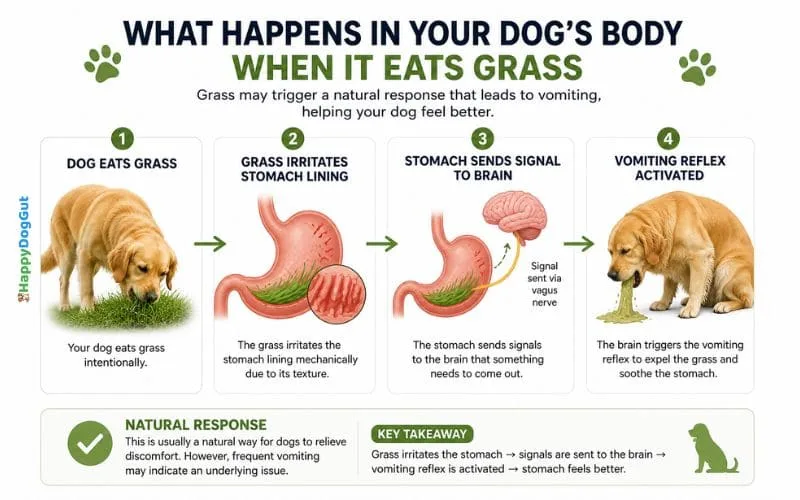
At first, it might seem strange that eating something like grass can lead to vomiting—but there’s actually a simple explanation behind it.
When your dog eats grass, especially quickly or in larger amounts, it doesn’t get fully digested like regular food. Instead, grass acts more like a physical irritant inside the stomach.
🌿 Grass Irritates the Stomach Lining
Grass has a rough texture and contains fibrous strands that can irritate the lining of your dog’s stomach.
This irritation doesn’t necessarily harm your dog, but it can trigger a reaction—especially if the stomach is already slightly upset or empty.
🤢 It Triggers the Vomiting Reflex
Once the stomach lining is irritated, your dog’s body may respond by activating a vomiting reflex.
This is a natural response where the body tries to:
- Remove something that feels uncomfortable
- Relieve pressure or nausea
- Reset the digestive system
👉 That’s why many dogs vomit shortly after eating grass.
🔄 It Helps Clear the Stomach
In some cases, this process actually helps your dog feel better.
Vomiting can help:
- Expel undigested food
- Remove irritants or toxins
- Reduce stomach discomfort
This is why some dogs appear completely normal and active again right after vomiting.
👉 Think of grass as a trigger, not a solution.
Your dog isn’t eating grass because it’s nutritious—they’re using it as a way to deal with discomfort or instinctive urges.
While this process can be harmless occasionally, it shouldn’t become a regular pattern.
👉 If your dog frequently eats grass and vomits, it’s a sign that something else may be going on—like diet issues, gut imbalance, or underlying digestive problems.
How to Stop Your Dog from Eating Grass and Vomiting

If your dog eats grass occasionally, it’s usually harmless. But if it’s happening frequently—especially with vomiting—it’s important to address the root cause rather than just the behavior.
The good news is that a few simple changes can significantly reduce or even stop this habit.
🍽️ Improve Diet Quality
Your dog’s diet is the foundation of their digestive health.
Low-quality food can lead to poor digestion, gut imbalance, and discomfort—making your dog more likely to eat grass in an attempt to relieve it.
Switching to a high-quality, easily digestible diet can help:
- Reduce stomach irritation
- Improve nutrient absorption
- Support overall gut health
👉 If you’re unsure what to choose, check this guide on Best dog food for sensitive stomachs for better options.
🌾 Add Fiber to the Diet
A lack of fiber can contribute to digestive issues and irregular bowel movements.
Adding the right amount of fiber helps:
- Improve digestion
- Regulate stool consistency
- Support beneficial gut bacteria
👉 You can explore effective options in Best Fiber Supplements for dogs with sensitive stomachs.
🦠 Support Gut Health
A healthy gut microbiome plays a key role in preventing digestive discomfort.
If your dog’s gut bacteria is out of balance, it can lead to nausea and behaviors like grass eating.
Adding gut support—especially probiotics—can help:
- Restore beneficial bacteria
- Reduce digestive issues
- Improve overall stability
👉 Learn more in this guide on Best Probiotics for dogs with sensitive stomachs.
⏳ Feed Smaller, More Frequent Meals
Dogs that go long hours without food are more likely to develop stomach discomfort and acid buildup.
This can lead to:
- Nausea
- Grass eating
- Vomiting (especially in the morning)
👉 Feeding smaller, more frequent meals throughout the day can help keep the stomach stable and reduce this behavior.
🐾 Reduce Stress and Boredom
Sometimes, grass eating isn’t about digestion at all—it’s behavioral.
Dogs may eat grass because they’re:
- Bored
- Anxious
- Lacking mental stimulation
To reduce this:
- Increase daily exercise
- Add interactive toys
- Maintain a consistent routine
👉 A mentally and physically engaged dog is much less likely to develop habits like unnecessary grass eating.
Stopping this behavior isn’t about forcing your dog to avoid grass—it’s about fixing what’s causing it.
👉 When digestion improves, gut health stabilizes, and daily routine becomes consistent, this behavior often reduces naturally.
Is Grass Eating Ever Safe?
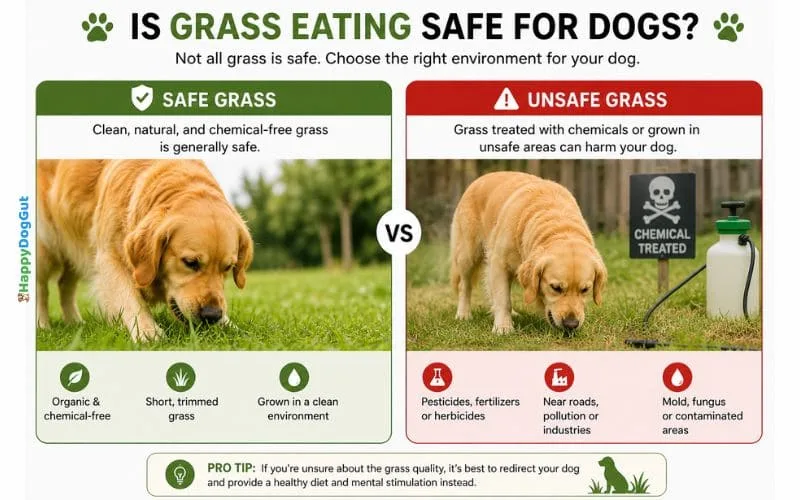
Yes—grass eating can be safe in some situations, but it depends on where and what type of grass your dog is consuming.
Not all grass is equal, and in some cases, it can actually pose a risk to your dog’s health.
🌿 Clean, Natural Grass vs Treated Grass
If your dog occasionally eats grass from a clean, untreated area, it’s usually not harmful.
Safe conditions include:
- Your own yard (without chemicals)
- Natural areas that are free from pollution
- Grass that hasn’t been recently treated
However, problems arise when dogs eat grass from areas that may contain chemicals or contaminants.
⚠️ Risk of Pesticides and Chemicals
Many lawns—especially in parks, sidewalks, or public areas—are treated with:
- Pesticides
- Herbicides
- Fertilizers
These chemicals can be harmful if ingested and may lead to:
- Vomiting
- Toxic reactions
- Long-term health issues
👉 Even small amounts can irritate your dog’s digestive system.
🦠 Hidden Risks You Might Not Notice
Aside from chemicals, outdoor grass can also carry:
- Parasites
- Bacteria
- Animal waste contamination
These can increase the risk of infections or digestive problems—especially in dogs with sensitive stomachs.
⚡ Safety Tips for Dog Owners
If your dog tends to eat grass, here’s how you can reduce the risk:
- ✔️ Allow grass eating only in safe, untreated areas
- ✔️ Avoid public lawns where chemicals may be used
- ✔️ Supervise your dog during walks
- ✔️ Keep your own yard chemical-free if possible
- ✔️ Wash your dog’s paws after outdoor exposure
👉 Occasional grass eating from a safe area = usually fine
👉 Frequent grass eating, especially with vomiting = needs attention
Grass itself isn’t always dangerous—but the environment around it can be.
👉 The goal isn’t just to stop your dog from eating grass, but to make sure that when they do, it’s safe and not a sign of a deeper issue.
FAQs About Dogs Eating Grass and Vomiting
Why does my dog eat grass every day?
If your dog eats grass every day, it usually means there’s an underlying reason rather than just occasional behavior.
Daily grass eating can be linked to:
Digestive discomfort or mild nausea
Gut imbalance
Lack of fiber in the diet
Habit or boredom
Some dogs develop this as a routine, especially if it temporarily relieves stomach discomfort. However, daily behavior—especially if followed by vomiting—should not be ignored.
👉 If it’s happening regularly, it’s a good idea to evaluate your dog’s diet, feeding schedule, and overall gut health.
Do dogs eat grass when they are sick?
Yes, in some cases dogs may eat grass when they feel unwell—especially if they have an upset stomach.
Grass can irritate the stomach lining and trigger vomiting, which may help the dog:
Relieve nausea
Remove something that doesn’t agree with them
Feel better temporarily
However, not all dogs eat grass because they’re sick. Many healthy dogs also do it occasionally without any illness.
👉 The key is to look at patterns—if your dog seems unwell before eating grass, it could be a sign of digestive discomfort.
Should I stop my dog from eating grass?
You don’t always need to stop your dog from eating grass—especially if it’s occasional and doesn’t cause any symptoms.
However, you should intervene if:
It happens frequently
Your dog vomits every time
The grass may be treated with chemicals
👉 Instead of just stopping the behavior, it’s more important to understand why your dog is doing it and address the root cause, such as diet or gut health.
Can grass cause diarrhea in dogs?
Yes, in some cases grass can contribute to diarrhea—especially if eaten in large amounts.
Grass is not easily digestible, and excessive consumption can:
Irritate the digestive system
Speed up bowel movements
Lead to loose stool
However, mild grass eating usually doesn’t cause serious problems in healthy dogs.
👉 If diarrhea occurs frequently after grass eating, it may indicate an underlying digestive issue rather than the grass itself.
Is eating grass a sign of parasites?
Not always, but it can be in some cases.
Dogs with parasites may experience digestive discomfort, which could lead them to eat grass more frequently. However, grass eating alone is not a reliable sign of parasites.
Other signs to watch for include:
Weight loss
Diarrhea
Dull coat
Low energy
👉 If you suspect parasites, it’s best to consult a veterinarian for proper testing and treatment.
Why does my dog eat grass and vomit in the morning?
This is a very common pattern and is often linked to an empty stomach.
When a dog goes too long without food (especially overnight), stomach acid can build up and cause nausea. Eating grass may temporarily relieve this discomfort but can also trigger vomiting.
👉 Feeding smaller meals more frequently—especially a late evening meal—can often help reduce this behavior.
Can changing my dog’s diet stop grass eating?
Yes, in many cases, improving your dog’s diet can reduce or even stop grass-eating behavior.
A better diet can:
Improve digestion
Reduce stomach discomfort
Balance gut bacteria
Provide essential nutrients like fiber
Dogs often eat grass because something is missing or not working well in their current diet.
👉 Switching to a high-quality, balanced diet is one of the most effective long-term solutions.
When should I be concerned about grass eating?
You should start paying closer attention if grass eating is frequent or accompanied by other symptoms.
Warning signs include:
Vomiting regularly
Loss of appetite
Weight loss
Lethargy
Diarrhea
👉 Occasional grass eating is usually harmless, but repeated behavior combined with symptoms may indicate a deeper health issue that needs attention.
Final Thoughts
Seeing your dog eat grass and then vomit can be concerning at first, but in many cases, it’s completely normal behavior. Some dogs do it occasionally without any serious health issues, and it may simply be part of their natural instincts.
👉 Occasional Grass Eating = Usually Normal
However, if it starts happening frequently—especially with repeated vomiting or other symptoms—it’s important to look deeper. This could be your dog’s way of signaling digestive discomfort, gut imbalance, or diet-related issues.
👉 Frequent behavior = Time to check the cause
The best approach is not just to stop the behavior, but to understand and fix what’s triggering it. Improving diet quality, supporting gut health, and maintaining a consistent routine can make a big difference over time.
👉 Prevention is always better than treatment
At the end of the day, paying attention to small signs and acting early can help keep your dog healthy, comfortable, and free from long-term digestive problems.

Hi, I’m Maddy, the writer behind HappyDogGut.com.I’m passionate about helping dog parents better understand gut health, sensitive stomachs, and nutrition through clear, practical, and research-based content. Every article is carefully researched using trusted veterinary and pet health resources, so you can make more informed decisions for your dog’s digestive health.Happy Gut = Happy Dog! 🐾
All content on Happy Dog Gut follows our Editorial Policy.



Pingback: How to Calm a Dog’s Upset Stomach Naturally (Vet-Approved 2026)