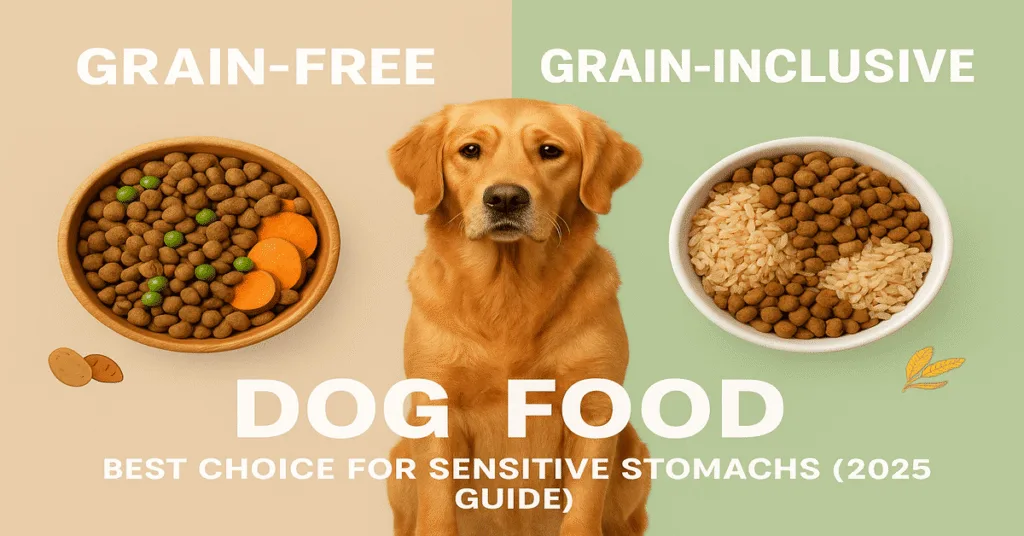

Choosing the best fresh dog food for sensitive stomachs can feel overwhelming, especially with so many brands claiming to offer healthier, more natural nutrition. While fresh dog food has become increasingly popular in recent years, not every recipe is the right fit for dogs with digestive sensitivities. The quality of the ingredients, nutritional balance, and how the food is prepared all play important roles in supporting healthy digestion.
Unlike traditional kibble, fresh dog food is typically made with minimally processed ingredients, gently cooked to help preserve nutrients, and contains higher moisture levels. Many recipes feature real meat, fresh vegetables, and recognizable ingredients without unnecessary artificial additives. For some dogs, these characteristics may make fresh meals easier to digest and more appealing at mealtime.
That said, switching to fresh food isn’t a guaranteed solution for every digestive problem. A dog with recurring vomiting, chronic diarrhea, or food intolerances still needs the right diagnosis and an appropriate diet based on their individual needs. The goal isn’t simply to feed fresh food—it’s to choose a complete and balanced recipe that supports your dog’s overall health while being gentle on the digestive system.
If you’re considering making the switch, this guide compares the top fresh dog food brands, explains what ingredients matter most, highlights the benefits and potential drawbacks of fresh diets, and shares practical feeding tips to help you choose the best option for your dog’s sensitive stomach.
What Is the Best Fresh Dog Food for Sensitive Stomachs?
If you’re looking for the best fresh dog food for sensitive stomachs, choose a recipe made with high-quality animal protein, minimally processed ingredients, balanced fiber, and complete and balanced nutrition for your dog’s life stage. Fresh meals that include digestible carbohydrates, omega-3 fatty acids, and gentle ingredients like pumpkin or sweet potatoes may help support healthy digestion in some dogs.
Some of the most trusted fresh dog food brands for digestive health include:
- The Farmer’s Dog – Best Overall
- Nom Nom – Best for Digestibility
- Ollie – Best Human-Grade Ingredients
- JustFoodForDogs – Best Veterinary-Developed Recipes
- Spot & Tango Fresh – Best for Picky Eaters
- A Pup Above – Best High-Protein Fresh Food
- Raised Right – Best Limited-Ingredient Fresh Food
- PetPlate – Best Balanced Everyday Fresh Meals
- Evermore Pet Food – Best Small-Batch Fresh Food
- Open Farm Gently Cooked – Best Ethically Sourced Ingredients
Remember: The best fresh food isn’t the same for every dog. Age, activity level, food sensitivities, medical history, and individual digestive needs all influence which recipe is the right choice. The most effective diet is one your dog tolerates well, provides complete daily nutrition, and can be fed consistently as part of a balanced feeding plan.
What Is Fresh Dog Food?

Fresh dog food is a type of dog food made with whole-food ingredients that are gently cooked instead of heavily processed. Unlike traditional dry kibble, fresh meals typically contain real meat, vegetables, healthy fats, and digestible carbohydrates while retaining more natural moisture. Most fresh dog foods are delivered frozen or refrigerated and are designed to provide complete and balanced nutrition for everyday feeding.
Although fresh food has become increasingly popular, it’s important to understand that not all fresh diets are the same. The way they’re prepared, stored, and formulated can vary from one brand to another.
Fresh Dog Food
Fresh dog food is made with recognizable ingredients such as chicken, turkey, beef, salmon, vegetables, whole grains, and other digestible carbohydrates. Instead of being cooked at extremely high temperatures, as with kibble, the ingredients are usually prepared using gentler cooking methods that help preserve flavor, moisture, and nutritional value.
Many fresh recipes are formulated to meet AAFCO nutritional standards, making them suitable as a complete daily diet rather than just an occasional meal topper.
Frozen Fresh Food
Some fresh dog food is frozen immediately after cooking to help maintain freshness without relying heavily on preservatives. Frozen meals typically need to be thawed in the refrigerator before serving and are a convenient option for owners who don’t mind planning meals a day in advance.
Frozen fresh food often has a longer storage life than refrigerated options while maintaining the same gently cooked ingredients.
Refrigerated Fresh Food
Refrigerated fresh food is stored in the refrigerator and is ready to serve once opened. Because it isn’t shelf-stable like kibble or canned food, it should be used within the recommended timeframe after opening.
Many subscription-based fresh food companies ship meals in insulated packaging with ice packs to help maintain safe temperatures during delivery.
Gently Cooked
One of the defining characteristics of fresh dog food is that it’s gently cooked rather than raw or heavily processed. Gentle cooking helps reduce the risk of harmful bacteria while preserving more moisture and maintaining the natural texture of the ingredients.
This approach allows dogs to enjoy cooked meals made with real food ingredients without the food becoming as heavily processed as traditional dry kibble.
Human-Grade Ingredients
Many fresh dog food brands advertise that they use human-grade ingredients. This generally means the ingredients are sourced, handled, and prepared according to standards intended for human food production. However, it’s worth remembering that “human-grade” doesn’t automatically mean healthier. The overall nutritional balance, ingredient quality, and formulation are far more important than the marketing label itself.
How Is Fresh Dog Food Different From Kibble?
Fresh food and kibble can both provide complete and balanced nutrition, but they differ in several important ways.
| Feature | Fresh Dog Food | Dry Kibble |
|---|---|---|
| Processing | Gently cooked | Highly processed at high temperatures |
| Moisture Content | High | Low |
| Storage | Refrigerated or frozen | Shelf-stable at room temperature |
| Texture | Soft and moist | Dry and crunchy |
| Ingredients | Whole-food ingredients are commonly used | Often includes processed ingredients alongside whole-food ingredients |
| Convenience | Requires refrigeration and careful storage | Easy to store and serve |
| Cost | Generally more expensive | Usually more affordable |
Fresh dog food isn’t automatically better than kibble, and kibble isn’t automatically worse than fresh food. Many dogs thrive on either diet when it’s complete, balanced, and appropriate for their individual needs. The best choice depends on factors such as your dog’s digestive health, age, activity level, budget, and your ability to store and serve fresh meals properly.
Takeaway: Fresh dog food offers minimally processed, gently cooked meals made with whole-food ingredients and higher moisture content. While these qualities may benefit some dogs with sensitive stomachs, the most important factor is choosing a nutritionally complete diet that your dog digests well and enjoys eating.
How We Chose the Best Fresh Dog Foods
With dozens of fresh dog food brands available today, choosing the right one can be challenging—especially for dogs with sensitive stomachs. Rather than focusing on marketing claims or popularity alone, we evaluated each food using practical criteria that matter most for digestive health, nutritional quality, and long-term feeding.
Here’s what we looked for when selecting the best fresh dog foods.
High-Quality Protein
Protein is the foundation of every healthy diet, but the source matters just as much as the amount. We prioritized recipes made with clearly identified animal proteins such as chicken, turkey, beef, lamb, or salmon instead of vague ingredients like “meat by-products” or unnamed animal sources.
High-quality protein helps support lean muscle mass while generally being easier for many dogs to digest when paired with a balanced recipe.
Digestibility
Dogs with sensitive stomachs often do better on foods that are easy to digest. We favored recipes containing gentle proteins, digestible carbohydrates, and appropriate fiber levels to support healthy stools and normal digestion.
Foods overloaded with rich ingredients or unnecessary fillers were ranked lower because they may not be suitable for every dog with digestive sensitivities.
Fresh Whole-Food Ingredients
One of the biggest advantages of fresh dog food is its use of recognizable, minimally processed ingredients. We gave preference to recipes featuring real meat, vegetables, fruits, and wholesome carbohydrates rather than relying heavily on artificial additives or highly processed ingredients.
Many of the foods on our list include nutritious ingredients such as pumpkin, carrots, spinach, sweet potatoes, brown rice, or fish oil, which can contribute to a well-rounded diet.
Complete & Balanced Nutrition
Fresh ingredients alone don’t make a healthy diet. Every recommendation on this list is formulated to provide complete and balanced nutrition for the appropriate life stage and is designed to meet recognized nutritional standards.
A nutritionally balanced recipe supplies the essential protein, fats, vitamins, minerals, and other nutrients dogs need for everyday health—not just digestive support.
Ingredient Transparency
Trustworthy brands clearly explain what goes into their recipes and why. We looked for companies that provide detailed ingredient lists, nutritional information, feeding guidelines, and sourcing practices so pet owners can make informed decisions.
Brands that openly share where their ingredients come from and how their food is prepared earned higher consideration than those with limited product information.
Brand Reputation
Finally, we considered each company’s overall reputation within the pet nutrition industry. Brands with a history of producing consistent, high-quality products, employing veterinary or animal nutrition experts, maintaining strong food safety practices, and receiving positive feedback from pet owners were prioritized.
While no dog food is perfect for every pet, choosing a reputable brand can provide greater confidence in the quality, safety, and consistency of the food your dog eats.
Our goal was simple: Recommend fresh dog foods that combine quality ingredients, balanced nutrition, digestibility, and transparency—giving dog owners reliable options that may help support healthy digestion without relying on marketing claims alone.
Best Fresh Dog Food for Sensitive Stomachs (Top Picks)

Fresh dog food isn’t a one-size-fits-all solution for digestive issues, but choosing a recipe made with high-quality ingredients and complete, balanced nutrition may help support healthy digestion in many dogs. We evaluated the foods below based on ingredient quality, digestibility, nutritional completeness, transparency, and overall reputation rather than marketing claims alone.
Whether your dog struggles with occasional stomach upset, food sensitivities, loose stools, or simply prefers fresh meals over kibble, these options represent some of the most trusted fresh dog food brands currently available in the United States.
1. The Farmer’s Dog ⭐ Best Overall
Best For
Dogs with sensitive stomachs that benefit from personalized fresh meals made with simple, gently cooked ingredients.
Pros
- Personalized meal plans based on your dog’s profile
- Human-grade ingredients
- Gently cooked to preserve nutrients
- High moisture content supports hydration
- No artificial preservatives or fillers
- Portion recommendations are customized
Cons
- Premium price
- Subscription required
- Requires freezer and refrigerator space
Fresh Ingredients
Recipes include real meats such as turkey, chicken, beef, and pork combined with vegetables like carrots, broccoli, green beans, spinach, lentils, and sweet potatoes. Fish oil is included in many recipes to provide omega-3 fatty acids.
Approximate Calories
Approximately 360–400 kcal per cup equivalent, depending on the recipe and moisture content.
Life Stage
Adult maintenance (meal plans are customized for individual dogs).
Why We Chose It
The Farmer’s Dog remains our Best Overall pick because it combines personalized feeding plans with gently cooked, minimally processed meals made from recognizable ingredients. The recipes are formulated to provide complete and balanced nutrition while avoiding many unnecessary additives commonly found in heavily processed foods.
Its customized portions also help owners avoid overfeeding—an important factor for dogs with digestive sensitivities and weight management needs. Independent veterinary recommendations and consistently positive owner feedback have helped make it one of the most recognized fresh dog food brands in the U.S.
2. Nom Nom
Best For
Dogs needing highly digestible fresh meals with straightforward ingredient lists.
Pros
- Simple, easy-to-read ingredient lists
- Gently cooked recipes
- Developed with veterinary nutrition expertise
- Excellent digestibility
- Convenient pre-portioned packages
Cons
- Limited recipe variety
- Premium cost
- Subscription-based service
Fresh Ingredients
Real meats such as chicken, turkey, pork, or beef paired with vegetables including spinach, carrots, squash, and brown rice depending on the recipe.
Approximate Calories
Approximately 340–390 kcal per cup equivalent, depending on the recipe.
Life Stage
Adult maintenance.
Why We Chose It
Nom Nom focuses on highly digestible ingredients and balanced recipes without unnecessary complexity. Its meals are formulated to provide complete nutrition while using recognizable whole-food ingredients, making them a strong option for dogs transitioning from traditional kibble to fresh food.
Owners frequently report improved stool quality and better meal acceptance after switching, although individual results naturally vary.
3. Ollie
Best For
Picky eaters and dogs that benefit from human-grade fresh meals with multiple protein choices.
Pros
- Human-grade ingredients
- Multiple protein options
- Fresh and gently baked product lines available
- Highly palatable for many dogs
- Customized feeding plans
Cons
- More expensive than traditional dog food
- Subscription model for fresh meals
- Some recipes may be richer than needed for extremely sensitive dogs
Fresh Ingredients
Chicken, beef, turkey, lamb, vegetables, fruits, chia seeds, and fish oil depending on the selected recipe.
Approximate Calories
Approximately 375–450 kcal per cup equivalent, varying by recipe.
Life Stage
Suitable for all life stages when fed according to the manufacturer’s guidelines.
Why We Chose It
Ollie stands out for combining premium ingredients with excellent palatability. Its recipes feature real meat and whole-food ingredients while maintaining complete and balanced nutrition. Many veterinarians and reviewers consider Ollie an excellent choice for picky eaters and dogs that prefer moist, fresh meals over dry kibble.
4. JustFoodForDogs
Best For
Dogs needing veterinary-developed fresh recipes, including options specifically formulated for digestive support.
Pros
- Veterinary-developed recipes
- Complete ingredient transparency
- Sensitive stomach recipe available
- Available through subscription and select retail stores
- Extensive clinical nutrition focus
Cons
- Premium pricing
- Refrigeration required
- Limited availability compared with grocery-store foods
Fresh Ingredients
Depending on the recipe, ingredients may include turkey, chicken, beef, white rice, brown rice, potatoes, vegetables, and omega-rich oils.
Approximate Calories
Most fresh recipes range from 330–390 kcal per cup equivalent, depending on the formula.
Life Stage
Adult maintenance, with additional therapeutic and specialized diet options available.
Why We Chose It
JustFoodForDogs earns a place on our list because of its strong emphasis on science-backed nutrition and ingredient transparency. The brand even offers a Sensitive Stomach recipe made with turkey and easily digestible rice, formulated to meet AAFCO nutritional standards for adult maintenance. For owners seeking fresh food developed with clinical nutrition in mind, it’s one of the strongest options available today.
5. Spot & Tango Fresh
Best For
Dogs that benefit from personalized fresh meal plans made with human-grade, gently cooked ingredients.
Pros
- Human-grade ingredients
- Personalized feeding plans based on your dog’s age, weight, and activity level
- Formulated by veterinary nutritionists
- Complete and balanced for all life stages
- No artificial preservatives, fillers, or flavors
Cons
- Subscription required
- Premium price compared with traditional dog food
- Requires freezer and refrigerator storage
Fresh Ingredients
Recipes feature real proteins such as beef, turkey, and lamb combined with wholesome ingredients like brown rice, quinoa, sweet potatoes, spinach, carrots, apples, and salmon oil. All recipes are gently cooked and formulated to meet AAFCO nutritional standards.
Approximate Calories
Approximately 340–390 kcal per cup equivalent, depending on the recipe.
Life Stage
Suitable for all life stages, including puppies and adult dogs when fed according to the manufacturer’s feeding recommendations.
Why We Chose It
Spot & Tango stands out for combining personalized nutrition with fresh, minimally processed ingredients. Its recipes are developed with veterinary nutritionists and emphasize digestible proteins, whole vegetables, and balanced nutrition instead of unnecessary fillers. For many dogs with mild digestive sensitivities, its simple ingredient profiles and customized portion recommendations can make transitioning to fresh food easier.
6. A Pup Above
Best For
Dogs with sensitive stomachs that may benefit from gently cooked, high-quality fresh meals made with limited, recognizable ingredients.
Pros
- Uses human-grade ingredients
- Gentle sous-vide cooking method
- High-protein recipes
- Excellent ingredient transparency
- Dedicated Sensitive Stomach recipe available
Cons
- More expensive than many traditional diets
- Limited recipe selection
- Frozen storage required
Fresh Ingredients
Recipes include real chicken, turkey, beef, or pork paired with vegetables and nutrient-rich ingredients such as carrots, sweet potatoes, spinach, and bone broth. The company also offers a Sensitive Stomach recipe designed for digestive support.
Approximate Calories
Approximately 350–430 kcal per cup equivalent, depending on the recipe.
Life Stage
Suitable for adult dogs and complete and balanced according to AAFCO nutritional standards.
Why We Chose It
A Pup Above takes a slightly different approach by using a low-temperature sous-vide cooking process, which helps preserve moisture and ingredient quality while fully cooking the food. Combined with clearly labeled ingredients and a recipe specifically designed for digestive sensitivity, it earns a place among today’s top fresh food choices for dogs with sensitive stomachs.
7. Raised Right
Best For
Dogs with food sensitivities or owners looking for limited-ingredient fresh recipes.
Pros
- Limited-ingredient recipes
- Human-grade ingredients
- Minimal processing
- Excellent ingredient transparency
- No unnecessary fillers
Cons
- Premium pricing
- Smaller recipe selection than some competitors
- Frozen storage required
Fresh Ingredients
Recipes typically contain a single primary animal protein combined with carefully selected vegetables and essential vitamin and mineral supplements to provide balanced nutrition.
Approximate Calories
Approximately 340–410 kcal per cup equivalent, depending on the recipe.
Life Stage
Available for puppies and adult dogs, depending on the selected formula.
Why We Chose It
Raised Right focuses on simple ingredient lists that make it easier for owners to identify potential food sensitivities. Its limited-ingredient philosophy, combined with high-quality animal proteins and transparent sourcing, makes it an excellent option for dogs that don’t tolerate more complex recipes well.
8. PetPlate
Best For
Dogs transitioning to fresh food or owners looking for balanced, everyday fresh meals.
Pros
- Human-grade ingredients
- Multiple protein choices
- Convenient pre-portioned packaging
- Complete and balanced nutrition
- Easy subscription management
Cons
- Subscription model
- Higher cost than kibble
- Refrigeration or freezer storage required
Fresh Ingredients
Recipes feature real chicken, turkey, beef, lamb, or other quality proteins paired with vegetables such as sweet potatoes, carrots, green beans, and spinach, along with essential vitamins and minerals.
Approximate Calories
Approximately 330–400 kcal per cup equivalent, depending on the recipe.
Life Stage
Suitable for adult dogs, with feeding plans customized to each dog’s size and calorie needs.
Why We Chose It
PetPlate offers an approachable way to switch from traditional dog food to fresh meals without sacrificing nutritional quality. Its recipes combine recognizable whole-food ingredients with complete and balanced nutrition, making it a solid everyday option for many healthy adult dogs. Owners also appreciate the convenient portion-controlled packaging, which helps simplify daily feeding while reducing guesswork.
9. Evermore Pet Food
Best For
Dogs with sensitive stomachs that thrive on small-batch, gently cooked meals made with minimally processed ingredients.
Pros
- Small-batch production for quality control
- Human-grade ingredients
- Gently cooked to retain nutrients
- High-quality animal proteins
- No artificial preservatives, colors, or flavors
Cons
- Limited nationwide availability
- Higher price than traditional dog food
- Fewer recipes than larger fresh food brands
Fresh Ingredients
Recipes feature responsibly sourced proteins such as chicken, turkey, beef, and lamb, combined with vegetables like carrots, sweet potatoes, spinach, and nutrient-rich oils. Every recipe is gently cooked before freezing to help preserve freshness and nutritional quality.
Approximate Calories
Approximately 340–410 kcal per cup equivalent, depending on the recipe.
Life Stage
Complete and balanced for adult dogs, with recipes formulated to meet AAFCO nutritional standards.
Why We Chose It
Evermore Pet Food emphasizes ingredient quality over quantity. Its small-batch manufacturing process, transparent sourcing, and gently cooked recipes appeal to owners looking for premium fresh nutrition without unnecessary fillers or artificial additives. While availability is more limited than some competitors, the brand’s commitment to quality makes it an excellent option for dogs with mild digestive sensitivities that respond well to simple, fresh ingredients.
10. Open Farm Gently Cooked
Best For
Dogs whose owners prioritize ethically sourced ingredients alongside complete and balanced fresh nutrition.
Pros
- Humanely raised and responsibly sourced animal proteins
- Gently cooked recipes
- Excellent ingredient transparency
- No artificial preservatives or fillers
- Traceable sourcing practices
Cons
- Premium pricing
- Requires freezer storage
- Limited recipe selection compared with subscription-only services
Fresh Ingredients
Recipes include humanely raised chicken, turkey, beef, pork, or salmon combined with wholesome ingredients such as pumpkin, carrots, spinach, sweet potatoes, legumes, and coconut oil. Every ingredient can be traced through the company’s sourcing program.
Approximate Calories
Approximately 350–420 kcal per cup equivalent, depending on the recipe.
Life Stage
Suitable for adult dogs and formulated to provide complete and balanced nutrition for maintenance.
Why We Chose It
Open Farm has built a strong reputation for combining premium nutrition with responsible sourcing. Its gently cooked recipes feature recognizable whole-food ingredients, quality animal proteins, and balanced nutrition while maintaining exceptional ingredient transparency. For owners who value sustainability and traceability alongside digestive support, Open Farm is one of the strongest fresh food choices available.
Fresh Dog Food Comparison Table
| Brand | Best For | Human-Grade | Subscription | Complete & Balanced | Primary Protein Options |
|---|---|---|---|---|---|
| The Farmer’s Dog | Overall digestive support | ✔ | ✔ | ✔ | Chicken, Turkey, Beef, Pork |
| Nom Nom | Easy digestibility | ✔ | ✔ | ✔ | Chicken, Turkey, Beef, Pork |
| Ollie | Picky eaters | ✔ | ✔ | ✔ | Chicken, Beef, Turkey, Lamb |
| JustFoodForDogs | Veterinary-developed recipes | ✔ | Optional | ✔ | Turkey, Chicken, Beef |
| Spot & Tango Fresh | Personalized meal plans | ✔ | ✔ | ✔ | Beef, Turkey, Lamb |
| A Pup Above | Sensitive stomach recipes | ✔ | Optional | ✔ | Chicken, Turkey, Beef, Pork |
| Raised Right | Limited-ingredient diets | ✔ | Optional | ✔ | Turkey, Chicken, Beef |
| PetPlate | Everyday fresh feeding | ✔ | ✔ | ✔ | Chicken, Turkey, Beef, Lamb |
| Evermore Pet Food | Small-batch fresh meals | ✔ | Optional | ✔ | Chicken, Turkey, Beef, Lamb |
| Open Farm Gently Cooked | Ethically sourced ingredients | ✔ | Optional | ✔ | Chicken, Turkey, Beef, Pork, Salmon |
Our Top Recommendations at a Glance
| Category | Recommendation |
|---|---|
| Best Overall | ⭐ The Farmer’s Dog |
| Best for Digestibility | Nom Nom |
| Best Veterinary-Developed Option | JustFoodForDogs |
| Best Limited-Ingredient Fresh Food | Raised Right |
| Best for Picky Eaters | Ollie |
| Best Value Premium Fresh Food | PetPlate |
| Best Ethical & Sustainable Choice | Open Farm Gently Cooked |
Note: The best fresh dog food for sensitive stomachs depends on your dog’s individual digestive needs, food sensitivities, age, activity level, and calorie requirements. Even the highest-quality fresh food should be introduced gradually over 5–7 days to help reduce the risk of digestive upset. If your dog has chronic vomiting, recurring diarrhea, significant weight loss, or a diagnosed gastrointestinal condition, consult your veterinarian before making a major dietary change.
Why Fresh Dog Food May Help Sensitive Stomachs

Fresh dog food isn’t a cure for digestive problems, but for some dogs, it may be easier to tolerate than heavily processed diets. Because fresh meals typically contain higher moisture, minimally processed ingredients, and recognizable whole foods, they can support healthy digestion when they’re complete, balanced, and appropriate for your dog’s individual needs.
Here’s why some dogs with sensitive stomachs may benefit from switching to a fresh diet.
Higher Moisture Content
Fresh dog food naturally contains significantly more moisture than dry kibble. This extra water can help support normal digestion, improve hydration, and produce softer, well-formed stools in some dogs.
Adequate hydration is especially important for dogs recovering from mild digestive upset or those that don’t drink enough water throughout the day. While fresh food isn’t a treatment for dehydration, its higher moisture content can contribute to overall digestive health.
If your dog is recovering from an upset stomach, it’s often best to start with a temporary bland diet before gradually transitioning back to a complete daily food. Our guide on Bland Diet for Dogs explains when a bland diet is appropriate and how to transition safely.
Easier to Digest
Fresh dog food is generally gently cooked rather than heavily processed, which helps preserve the natural texture and moisture of the ingredients. Many recipes also use digestible proteins and wholesome carbohydrates that some dogs tolerate well.
That doesn’t mean fresh food is automatically easier for every dog to digest. The protein source, fiber content, fat level, and your dog’s individual food sensitivities all play an important role in how well a particular recipe is tolerated.
Minimal Processing
Unlike traditional kibble, which is manufactured using high temperatures and multiple processing steps, fresh dog food undergoes gentler cooking methods before being refrigerated or frozen.
Although both fresh food and kibble can provide complete and balanced nutrition, less processing often means the ingredients remain more recognizable, which many pet owners prefer. Choosing a minimally processed diet may also reduce exposure to unnecessary artificial colors, flavors, and preservatives that some owners choose to avoid.
Fresh, Whole-Food Ingredients
One of the biggest advantages of fresh dog food is its emphasis on real, recognizable ingredients. Quality recipes often include fresh meat, vegetables, healthy fats, and digestible carbohydrates instead of relying heavily on processed fillers.
Ingredients such as pumpkin, sweet potatoes, carrots, spinach, brown rice, and fish oil are commonly included because they contribute valuable nutrients while supporting a balanced diet.
Of course, “fresh” doesn’t automatically mean healthier. The recipe still needs to provide complete and balanced nutrition and match your dog’s age, activity level, and overall health.
May Support Better Stool Quality
Many owners report firmer, more consistent stools after switching to a well-balanced fresh diet. This may be related to improved digestibility, appropriate fiber levels, better ingredient quality, and higher moisture content.
However, stool quality can also be affected by parasites, food intolerances, infections, stress, medications, or underlying gastrointestinal conditions. If loose stools continue despite changing diets, it’s important to investigate the underlying cause rather than repeatedly switching foods.
Helpful for Picky Eaters
Fresh meals often have a stronger natural aroma and softer texture than dry kibble, making them more appealing to some picky eaters. Dogs that regularly leave kibble untouched may show greater interest in freshly prepared meals made with real meat and vegetables.
Even so, owners should avoid changing foods frequently just because a dog becomes selective. Consistency and a gradual transition are important for maintaining digestive stability.
If your dog prefers softer meals but still needs a complete daily diet, our guide to Best Canned Dog Food for Sensitive Stomachs compares high-quality wet food options that may also support healthy digestion.
Key Takeaway: Fresh dog food may help some dogs with sensitive stomachs because it provides higher moisture, minimally processed ingredients, and complete, balanced nutrition. However, no single diet is ideal for every dog. The best fresh food is one that’s nutritionally complete, well tolerated by your dog, and introduced gradually to support long-term digestive health.
Signs Your Dog May Benefit From Fresh Food
Fresh dog food isn’t necessary for every dog, but some dogs may benefit from a diet made with gently cooked, minimally processed ingredients. If your dog regularly experiences digestive discomfort or struggles with certain foods, discussing a dietary change with your veterinarian may be worthwhile.
Here are some common signs that a fresh diet may be worth considering.
Recurring Loose Stools
Occasional soft stools can happen after a sudden diet change or eating something unusual. However, if your dog frequently has loose stools despite otherwise appearing healthy, it may indicate that their current diet isn’t the best fit.
A fresh, complete, and balanced diet made with digestible ingredients may be easier for some dogs to tolerate. However, recurring diarrhea should never be ignored, as parasites, infections, food intolerances, or underlying digestive disorders can also be responsible.
If your dog has soft stools but otherwise seems healthy, our guide on Soft Stools but Acting Normal explains the most common causes and when it’s appropriate to monitor the situation at home.
Food Intolerance
Some dogs have difficulty digesting certain ingredients rather than experiencing a true food allergy. Common triggers may include specific protein sources, dairy products, or ingredients used in highly processed diets.
Many fresh food brands offer limited-ingredient recipes with clearly identified protein sources, making it easier for owners—and veterinarians—to identify ingredients that agree with their dog’s digestive system.
Frequent Vomiting
Occasional vomiting may occur after eating too quickly or consuming something unusual. However, repeated vomiting should never be considered normal.
If vomiting appears to be related to meals and your veterinarian has ruled out an underlying medical condition, switching to a highly digestible fresh food may help some dogs tolerate meals more comfortably. Persistent or severe vomiting always requires veterinary evaluation before making dietary changes.
Picky Eating
Dogs that consistently ignore their food may simply prefer meals with a stronger aroma and softer texture. Fresh food is often more appealing because it contains real meat and vegetables with higher natural moisture than dry kibble.
Before assuming your dog is simply a picky eater, make sure dental disease, illness, pain, or other health conditions aren’t contributing to the loss of appetite.
Excessive Gas
Frequent gas, bloating, or foul-smelling flatulence can sometimes be linked to poor ingredient digestibility or dietary intolerance. Some dogs experience less gas after switching to a fresh diet that contains simpler ingredients and moderate fiber levels.
Because excessive gas can also result from eating too quickly, swallowing air, or gastrointestinal disorders, it’s important to consider your dog’s overall health rather than focusing on diet alone.
Food Allergies or Ingredient Sensitivities
Dogs with suspected food allergies often benefit from carefully selected diets that contain limited ingredients and clearly identified protein sources. While fresh food isn’t a treatment for food allergies, it may simplify elimination diet discussions with your veterinarian because ingredient lists are often shorter and easier to understand.
Remember that true food allergies are less common than many owners assume, and diagnosis should always be guided by your veterinarian.
Senior Dogs
As dogs age, some develop reduced appetites, dental problems, or decreased chewing ability. The soft texture and high moisture content of fresh food may make meals easier and more enjoyable for senior dogs while still providing complete and balanced nutrition.
Older dogs with chronic medical conditions should always have their diets reviewed by a veterinarian before switching to a new food.
Dogs with recurring loose stools, food intolerances, picky eating habits, excessive gas, or age-related changes may benefit from a carefully selected fresh diet. However, fresh food isn’t a cure for chronic digestive problems. If your dog’s loose stools continue even after changing foods, our guide on Dog Still Has Loose Stool After Chicken and Rice? explains possible reasons and the next steps to consider before making additional diet changes.
Ingredients to Look For

Not all fresh dog foods are created equal. The quality of the ingredients plays a major role in how well a food supports your dog’s digestion and overall health. When comparing fresh food brands, look beyond marketing claims and focus on ingredients that provide balanced nutrition and are generally well tolerated by dogs with sensitive stomachs.
Here are some of the most beneficial ingredients to look for.
Lean Animal Protein
High-quality protein is the foundation of every healthy dog diet. Fresh foods made with clearly identified animal proteins—such as chicken, turkey, salmon, lamb, or lean beef—provide essential amino acids while being easier to evaluate if your dog has food sensitivities.
Whenever possible, choose recipes that list a named meat as the first ingredient rather than vague terms like “meat meal” or “animal by-products.”
Pumpkin
Pumpkin is a natural source of soluble and insoluble fiber, making it one of the most popular ingredients in digestive-support dog foods. It helps promote healthy bowel function and can contribute to normal stool consistency as part of a balanced diet.
Pumpkin also provides vitamins A and C, antioxidants, and moisture while being relatively low in calories.
Sweet Potatoes
Sweet potatoes are an easily digestible carbohydrate that supplies energy along with fiber, vitamins, and minerals. Many fresh dog food recipes use sweet potatoes instead of heavily refined carbohydrates because they’re gentle on the digestive system for many dogs.
They also contain antioxidants and nutrients that support overall health.
Brown Rice
Brown rice is a wholesome grain that provides digestible carbohydrates and moderate fiber. While grain-free diets are appropriate for some dogs, many dogs with sensitive stomachs tolerate brown rice very well.
When included as part of a complete and balanced recipe, brown rice offers steady energy without unnecessary complexity.
Oats
Oats are another gentle carbohydrate commonly found in fresh dog food. They’re naturally rich in soluble fiber, which supports normal digestion and helps nourish beneficial gut bacteria.
Many dogs that don’t tolerate certain grains still do well with properly cooked oats included in balanced recipes.
Fish Oil
Fish oil is an excellent source of omega-3 fatty acids, particularly EPA and DHA. These healthy fats help support skin, coat, brain function, and a normal inflammatory response throughout the body.
For dogs with food sensitivities that also experience dry skin or seasonal itching, fish oil may provide additional nutritional support when included as part of a balanced diet.
Prebiotics
Prebiotics are specialized plant fibers that feed the beneficial bacteria naturally living in your dog’s digestive tract. Ingredients such as chicory root, dried beet pulp, or inulin are commonly used as natural prebiotic sources.
A healthy gut microbiome supports normal digestion and helps maintain balanced intestinal function.
Fiber
Balanced fiber is essential for healthy digestion. Both soluble and insoluble fiber help regulate stool consistency, support beneficial gut bacteria, and contribute to overall gastrointestinal health.
Good fiber sources commonly found in fresh dog food include:
- Pumpkin
- Sweet potatoes
- Carrots
- Oats
- Brown rice
- Chicory root
- Beet pulp
Too little fiber may contribute to loose stools, while excessive fiber can reduce nutrient digestibility. That’s why a well-balanced recipe is more important than simply choosing a food with the highest fiber content.
If you’re interested in learning more about the different types of fiber and how they support digestive health, our guide on Fiber Supplements for Dogs with Sensitive Stomachs explains when supplemental fiber may be helpful and which options are commonly used.
Key Takeaway: The best fresh dog food for sensitive stomachs starts with high-quality animal protein, digestible carbohydrates, healthy fats, prebiotics, and balanced fiber. Rather than looking for a single “superfood,” choose a recipe that combines these ingredients into a complete and balanced diet that matches your dog’s age, lifestyle, and individual digestive needs.
Ingredients to Avoid
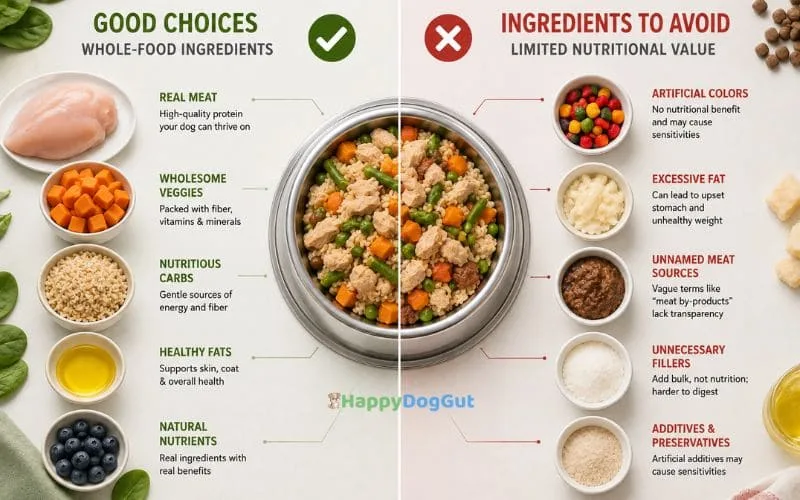
Fresh dog food is often marketed as being healthier than traditional diets, but that doesn’t mean every recipe is ideal for dogs with sensitive stomachs. Reading the ingredient list carefully can help you avoid foods that may be unnecessarily difficult for some dogs to digest.
Here are some ingredients worth paying attention to when comparing fresh dog food brands.
Artificial Preservatives
Quality fresh dog food is typically preserved through refrigeration or freezing rather than relying on large amounts of artificial preservatives. While approved preservatives are considered safe when used correctly, many premium fresh food brands avoid ingredients such as BHA, BHT, and ethoxyquin in favor of fresher preparation and storage methods.
Choosing a recipe with minimal artificial additives may appeal to owners looking for a more natural feeding option.
Artificial Colors
Artificial colors don’t provide any nutritional benefit for dogs. They’re primarily added to make food more visually appealing to people—not pets.
Fresh dog food made with real meat and vegetables generally doesn’t require artificial coloring, making it easier to recognize the ingredients your dog is actually eating.
Excess Fat
Fat is an essential nutrient that provides energy and supports healthy skin and coat, but too much fat can be difficult for some dogs with sensitive stomachs to tolerate.
Dogs prone to digestive upset or those with certain medical conditions may do better on recipes that contain moderate fat levels instead of very rich formulations. Always consider your veterinarian’s recommendations if your dog requires a specialized diet.
Too Many Ingredients
Long ingredient lists aren’t necessarily a sign of poor-quality food, but they can make it more difficult to identify potential food intolerances.
If your dog has a history of digestive sensitivities, choosing a recipe with fewer, clearly identified ingredients may make it easier to determine which foods work well and which ones don’t.
Common Fillers
Many premium fresh dog foods avoid inexpensive fillers that add bulk without contributing meaningful nutrition. While not every grain or carbohydrate is considered a filler, recipes that rely heavily on low-quality ingredients may not provide the same nutritional value as diets built around quality animal protein and wholesome carbohydrates.
Instead, look for recipes where real meat is the primary ingredient and supporting ingredients are included to provide balanced nutrition rather than simply increasing volume.
Unnamed Meat Sources
One of the easiest ways to evaluate a dog food is by looking at the protein source. High-quality recipes clearly identify ingredients such as chicken, turkey, salmon, beef, or lamb.
Be cautious of vague labels like “meat,” “animal protein,” or “animal fat” when the source isn’t specified. Clearly identified proteins improve ingredient transparency and can be especially helpful for dogs with known food sensitivities or those following elimination diets.
If you’d like to learn more about ingredients that may not be ideal for digestive health, our guide on Dog Food Ingredients to Avoid for Sensitive Stomachs explains which ingredients deserve closer attention and how to read dog food labels more confidently.
Fresh Food vs. Kibble vs. Wet Food
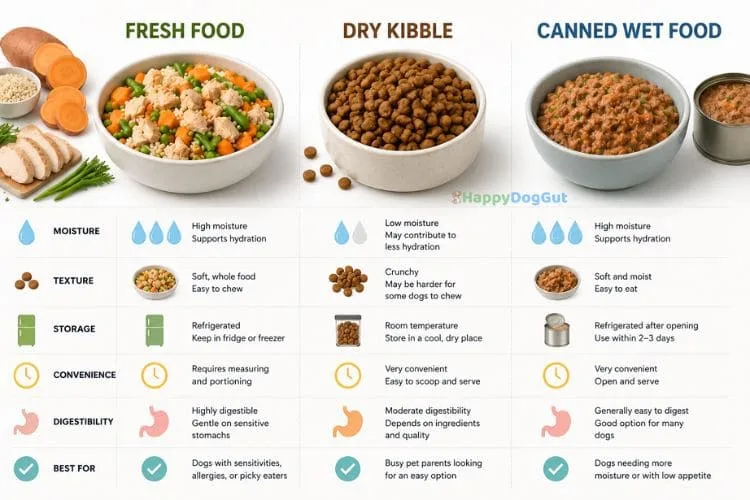
There isn’t a single type of dog food that’s best for every dog with a sensitive stomach. Fresh food, kibble, and canned food can all provide complete and balanced nutrition when properly formulated. The right choice depends on your dog’s digestive health, lifestyle, budget, preferences, and any recommendations from your veterinarian.
Understanding the differences between these diets can help you make a more informed decision.
| Feature | Fresh Dog Food | Dry Kibble | Wet (Canned) Dog Food |
|---|---|---|---|
| Moisture Content | High (about 65–75%) | Low (about 8–12%) | High (about 75–85%) |
| Processing | Gently cooked and minimally processed | Highly processed using high heat | Cooked and sealed during canning |
| Digestibility | Often highly digestible for many dogs, depending on the recipe | Varies by ingredient quality and formulation | Generally easy to chew and digest for many dogs |
| Convenience | Requires refrigeration or freezing | Very convenient and shelf-stable | Easy to serve after opening but requires refrigeration once opened |
| Cost | Highest | Most affordable | Moderate to high |
| Shelf Life | Short after thawing or opening | Long shelf life | Long unopened; shorter after opening |
| May Be Helpful for Sensitive Stomachs | ✔ Excellent option for many dogs | ✔ Quality digestive-support formulas are available | ✔ Good option for dogs needing soft, moist food |
Fresh Dog Food
Fresh food emphasizes gently cooked, minimally processed ingredients and typically contains the highest amount of recognizable whole foods. Its high moisture content and soft texture make it appealing to many dogs, particularly picky eaters.
However, fresh food also requires refrigeration or freezer space, has a shorter shelf life after opening, and is usually the most expensive feeding option.
Dry Kibble
Kibble remains the most commonly fed dog food in the United States because it’s affordable, convenient, and available in a wide variety of specialized formulas.
High-quality kibble designed for digestive health can work very well for many dogs with sensitive stomachs. Ingredient quality, protein source, fiber content, and nutritional balance are often more important than whether the food is dry or fresh.
If you’re considering a dry diet, our guide to Best Kibble for Sensitive Stomachs compares some of the best digestive-support formulas available.
Wet (Canned) Dog Food
Canned food provides many of the same advantages as fresh food, including high moisture content and a soft texture, while offering a longer unopened shelf life and wider retail availability.
For dogs that dislike dry kibble or need extra hydration, canned food can be an excellent everyday option when it provides complete and balanced nutrition.
If you’d like to compare top wet food options, our guide to Best Canned Dog Food for Sensitive Stomachs reviews the highest-rated canned diets and explains how to choose the right one.
Which One Is Best for Sensitive Stomachs?
The answer depends on your individual dog.
- Fresh food may benefit dogs that do well on minimally processed, gently cooked meals with high moisture content.
- Digestive-support kibble can be an excellent choice for dogs that tolerate dry food and need a convenient, budget-friendly diet.
- Canned food offers a balance between convenience and moisture, making it a great option for dogs that prefer softer meals or need additional hydration.
Rather than focusing on the type of food alone, prioritize a diet that is complete and balanced, made with high-quality ingredients, and well tolerated by your dog. A gradual transition and consistent feeding routine are just as important as the food you choose.
How to Transition to Fresh Dog Food
Switching to fresh dog food too quickly can upset your dog’s digestive system—even if you’re moving to a higher-quality diet. A gradual transition gives the beneficial bacteria in your dog’s gut time to adjust to the new ingredients, helping reduce the risk of diarrhea, vomiting, gas, or decreased appetite.
Most healthy adult dogs can transition to fresh food over 5–7 days. However, dogs with very sensitive stomachs or a history of digestive issues may benefit from an even slower transition lasting 7–10 days, depending on your veterinarian’s advice.
Day 1
75% Current Food + 25% Fresh Food
Begin by mixing a small amount of fresh food with your dog’s current diet. Watch for any signs of digestive upset, including loose stools, vomiting, excessive gas, or changes in appetite.
Day 2
75% Current Food + 25% Fresh Food
If your dog is eating normally and stools remain well formed, continue with the same ratio for another day. This gives your dog’s digestive system additional time to adapt before increasing the amount of fresh food.
Day 3
50% Current Food + 50% Fresh Food
Increase the fresh food to half of each meal while reducing the old food accordingly. Continue monitoring stool consistency, energy level, and appetite.
Mild, temporary changes in stool can occur during a diet transition, but persistent diarrhea or repeated vomiting should not be ignored.
Day 4
25% Current Food + 75% Fresh Food
If your dog is tolerating the transition well, increase the proportion of fresh food again. At this stage, most dogs begin adjusting comfortably to the new diet.
If digestive symptoms develop, consider slowing the transition for another day or two rather than immediately switching completely.
Days 5–7
100% Fresh Dog Food
Once your dog has adjusted without digestive problems, you can begin feeding fresh food exclusively.
Continue following the recommended feeding amount for your dog’s weight, age, activity level, and body condition. Because fresh food often has a different calorie density than kibble or canned food, measuring portions accurately helps prevent overfeeding.
Tips for a Successful Transition
- Introduce only one new food at a time.
- Measure meals carefully to avoid accidental overfeeding.
- Provide fresh drinking water at all times.
- Avoid adding new treats or table scraps during the transition.
- Monitor your dog’s stool quality, appetite, and overall behavior each day.
- If your dog has a history of chronic digestive problems, consider extending the transition to 7–10 days.
If you’re switching between different types of dog food—such as kibble, canned food, fresh food, or homemade diets—our Dog Food Transition Guide provides additional step-by-step advice to help make the change as smooth as possible.
Can Fresh Food Help Dogs Recover From Diarrhea?
Fresh dog food can play a role in your dog’s recovery after diarrhea begins to improve, but it usually isn’t the first diet veterinarians recommend during the acute stage of digestive upset. Understanding the difference between a short-term recovery diet and a long-term fresh food diet can help you make the safest choice for your dog.
Recovery Diet for Acute Diarrhea
When a dog develops sudden diarrhea, the priority is giving the digestive system time to recover while maintaining hydration. In many uncomplicated cases, veterinarians may recommend a temporary bland diet consisting of easily digestible foods for a short period before gradually returning to a complete daily diet.
Fresh dog food is typically richer and more nutritionally complete than a bland recovery diet, which means it may not always be the best first choice during active diarrhea. Introducing any new food while the digestive system is already irritated can sometimes make symptoms worse.
If you’re unsure what to feed during recovery, our guide on What to Feed a Dog After Diarrhea explains which foods are commonly recommended and when it’s appropriate to reintroduce your dog’s regular diet.
Fresh Food as a Long-Term Diet
Once your dog’s stools have returned to normal and the underlying cause of the diarrhea has been addressed, fresh dog food can be an excellent long-term feeding option for many dogs.
High-quality fresh diets provide complete and balanced nutrition using gently cooked ingredients, quality animal proteins, healthy fats, and digestible carbohydrates. For some dogs, these characteristics may support healthy digestion and make meals easier to tolerate over time.
However, switching to fresh food should always be done gradually over several days. A sudden change—even to a premium fresh diet—can upset the digestive system and lead to loose stools.
When to Introduce Fresh Food
Fresh food is generally best introduced when your dog:
- Has returned to eating normally.
- Has well-formed stools for at least a day or two.
- Is drinking water normally.
- Has no ongoing vomiting.
- Has been cleared by your veterinarian if an underlying illness was present.
Starting with small portions and following a gradual transition schedule helps your dog’s digestive system adjust to the new ingredients.
Don’t Assume Food Is the Only Cause
Not every episode of diarrhea is caused by diet. Intestinal parasites, bacterial or viral infections, stress, medications, sudden diet changes, food intolerances, and chronic gastrointestinal diseases can all cause loose stools.
If diarrhea is severe, lasts longer than 24–48 hours, contains blood, or is accompanied by vomiting, lethargy, dehydration, or loss of appetite, your dog should be evaluated by a veterinarian rather than simply switching foods.
If your dog is recovering from diarrhea and you’re considering feeding a temporary chicken-and-rice diet before transitioning to fresh food, our guide on How Much Chicken and Rice Should You Feed a Dog With Diarrhea? explains appropriate portion sizes and how to transition safely back to a complete diet.
Fresh dog food can be an excellent long-term choice for many dogs with sensitive stomachs, but it shouldn’t replace a temporary recovery diet during active diarrhea. Allow your dog’s digestive system to recover first, then transition gradually to a complete and balanced fresh food once symptoms have resolved.
Potential Drawbacks of Fresh Dog Food
Fresh dog food offers many potential benefits, but it isn’t the perfect choice for every dog or every household. Understanding the practical limitations can help you decide whether a fresh diet fits your dog’s needs, your lifestyle, and your budget.
Higher Cost
One of the biggest disadvantages of fresh dog food is the price. Because it typically uses high-quality ingredients, gentle cooking methods, and refrigerated shipping, fresh food usually costs significantly more than traditional kibble and many canned diets.
For some families, the added expense is worthwhile. For others, a high-quality digestive-support kibble or canned food may provide excellent nutrition at a lower monthly cost.
Refrigeration and Storage
Unlike dry kibble, fresh dog food must be kept refrigerated or frozen to maintain freshness and food safety.
This means you’ll need adequate refrigerator or freezer space, especially if you purchase larger meal plans. If you travel frequently or rely on pet sitters, storing and serving fresh food may also require a bit more planning.
Shorter Shelf Life
Fresh food doesn’t last as long as dry kibble once it’s thawed or opened.
Most fresh meals should be refrigerated and used within a few days after opening, while frozen portions need to be thawed before feeding. Proper storage is important to maintain both quality and safety.
Gradual Transition Required
Even when switching to a premium fresh diet, dogs shouldn’t change foods overnight.
A sudden dietary change can temporarily upset the digestive system and lead to loose stools, gas, or vomiting. Most dogs do best when fresh food is introduced gradually over 5–7 days, with particularly sensitive dogs sometimes benefiting from an even slower transition.
Patience during the transition helps give your dog’s digestive system time to adjust to the new ingredients.
Not Every Dog Needs Fresh Food
Fresh food isn’t a requirement for good digestive health.
Many dogs thrive on high-quality kibble or canned diets that provide complete and balanced nutrition. The most important factors are choosing a food that’s appropriate for your dog’s age, health status, activity level, and individual digestive tolerance.
Some dogs may see noticeable improvements on a fresh diet, while others do equally well on a carefully selected dry or wet food. Rather than focusing on one type of diet, focus on finding a nutritionally balanced food that your dog enjoys and tolerates consistently.
Fresh dog food can be an excellent option for many dogs with sensitive stomachs, but it also comes with higher costs and additional storage requirements. Weighing both the benefits and the practical considerations will help you choose a feeding plan that works well for both your dog and your household.
When to Contact Your Veterinarian
While many dogs with sensitive stomachs improve with dietary changes, fresh food isn’t a substitute for veterinary care when a medical problem is present. If your dog’s digestive symptoms are severe, persistent, or accompanied by other concerning signs, it’s important to seek professional advice rather than continuing to change foods at home.
Contact your veterinarian if your dog:
- Has diarrhea that lasts longer than 24–48 hours.
- Vomits repeatedly or cannot keep food or water down.
- Has blood in the stool or black, tar-like stools.
- Shows signs of dehydration, such as dry gums, sunken eyes, or unusual weakness.
- Refuses food for more than a day or has a significant loss of appetite.
- Becomes lethargic, weak, or unusually quiet.
- Experiences frequent episodes of diarrhea or digestive upset that keep returning.
- Has unexplained weight loss despite eating normally.
- Appears to have abdominal pain, bloating, or discomfort.
- Is a puppy, senior dog, or has an existing medical condition that increases the risk of complications.
Prompt veterinary care is especially important if digestive symptoms develop suddenly or worsen despite dietary adjustments. Identifying the underlying cause early can help prevent dehydration and other complications.
If you’re unsure whether your dog’s diarrhea is becoming serious, our guide on When Does Dog Diarrhea Become Serious? explains the warning signs that require prompt attention. You can also read When You Should See a Vet for Loose Stool? for a detailed checklist of symptoms that shouldn’t be ignored.
Frequently Asked Questions
Is fresh dog food healthier than kibble?
Not necessarily. Both fresh dog food and kibble can be healthy choices when they provide complete and balanced nutrition. Fresh food is often made with minimally processed ingredients and higher moisture content, while many premium kibbles are scientifically formulated to support digestive health. The best choice is the one your dog tolerates well and that meets their individual nutritional needs.
Is fresh food good for sensitive stomachs?
It can be. Many dogs with sensitive stomachs do well on fresh diets because they often contain high-quality proteins, digestible carbohydrates, and fewer heavily processed ingredients. However, every dog is different, and some dogs may do just as well on a high-quality kibble or canned food designed for digestive support.
Can puppies eat fresh dog food?
Yes, but only if the recipe is complete and balanced for growth or formulated for all life stages according to recognized nutritional standards. Puppies have different nutritional requirements than adult dogs, so it’s important to choose a diet specifically designed to support healthy growth and development.
Can I cook fresh food at home?
Yes, but homemade diets require careful planning to ensure they provide complete and balanced nutrition. Simply feeding cooked meat and vegetables isn’t enough to meet a dog’s long-term nutritional needs and may lead to vitamin or mineral deficiencies over time.
If you’re interested in home-prepared meals, it’s best to work with your veterinarian or a board-certified veterinary nutritionist to develop a properly balanced recipe.
Is fresh food worth the cost?
That depends on your priorities and your dog’s individual needs.
Fresh dog food is generally more expensive than kibble or canned food because of its ingredients, preparation, and storage requirements. Some owners feel the added cost is worthwhile because their dogs enjoy the food, digest it well, or experience improvements in stool quality and appetite. Others find that a high-quality kibble or canned diet provides excellent results at a lower monthly cost.
Can I mix fresh food with kibble?
Yes. Many owners successfully combine fresh food with kibble, either during a gradual diet transition or as part of a mixed-feeding routine.
When combining foods, introduce changes gradually and make sure the total daily calories remain appropriate for your dog’s size and activity level to help avoid overfeeding.
Does fresh food stop diarrhea?
Not always. Fresh food is not a treatment for diarrhea, and changing diets during active digestive upset can sometimes make symptoms worse.
If your dog has diarrhea, it’s more important to identify the underlying cause before switching foods. Diarrhea can result from sudden diet changes, food intolerance, infections, parasites, stress, medications, or other medical conditions. For example, some owners are surprised to learn that digestive supplements can occasionally contribute to temporary stomach upset. Our article on Can Probiotics Cause Diarrhea in Dogs? explains when this can happen and what to watch for.
Final Thoughts
Fresh dog food can be an excellent choice for dogs with sensitive stomachs, especially when it’s made with high-quality ingredients and provides complete and balanced nutrition. For many dogs, gently cooked recipes with quality animal proteins and digestible carbohydrates may support healthy digestion, consistent stool quality, and enjoyable mealtimes.
That said, there isn’t a single “best” diet for every dog. Some dogs thrive on fresh food, while others do just as well on a carefully selected kibble or canned diet. The most important factor is choosing a nutritionally balanced food that meets your dog’s age, lifestyle, health needs, and individual digestive tolerance.
If you decide to switch to fresh food, make the transition gradually over several days to help minimize the risk of digestive upset. Monitor your dog’s appetite, stool quality, energy level, and overall condition during the change, and adjust the transition pace if needed.
Finally, remember that ongoing diarrhea, repeated vomiting, weight loss, blood in the stool, or other persistent digestive symptoms should never be managed with diet changes alone. If your dog’s symptoms continue or worsen, consult your veterinarian to identify the underlying cause and determine the most appropriate treatment.
With the right food, a gradual transition, and regular veterinary guidance when needed, you can help your dog enjoy healthier digestion and a happier, more comfortable life.

Hi, I’m Maddy, the writer behind HappyDogGut.com.I’m passionate about helping dog parents better understand gut health, sensitive stomachs, and nutrition through clear, practical, and research-based content. Every article is carefully researched using trusted veterinary and pet health resources, so you can make more informed decisions for your dog’s digestive health.Happy Gut = Happy Dog! 🐾
All content on Happy Dog Gut follows our Editorial Policy.