
Few things worry dog owners more than seeing their normally energetic companion suddenly develop diarrhea, vomit after a meal, or refuse food altogether. One loose stool may not always signal a serious problem, but when digestive upset appears out of nowhere, it’s natural to wonder what you should feed—and what you should avoid.
A bland diet for dogs is one of the most common short-term feeding approaches for mild digestive issues. It focuses on simple, easy-to-digest foods that give the stomach and intestines a chance to recover without adding unnecessary stress. When used appropriately, a bland diet may help support dogs with mild diarrhea, occasional vomiting, or temporary stomach irritation due to dietary indiscretion or a sudden change in diet.
💡 It’s important to remember that a bland diet isn’t a cure. Instead, it’s a temporary nutritional strategy designed to support your dog’s digestive system while you closely monitor their recovery. If symptoms become severe, last longer than expected, or are accompanied by warning signs like bloody stool, repeated vomiting, extreme lethargy, or dehydration, your dog should be examined by a veterinarian rather than treated at home.
If your dog experiences digestive problems frequently rather than occasionally, there may be an underlying issue, such as food intolerance, allergies, or a sensitive stomach, that requires a different long-term management plan.
📖 In this guide, you’ll learn exactly what a bland diet for dogs is, when it’s appropriate to use, which foods are considered safe, how much to feed based on your dog’s size, common mistakes to avoid, and how to transition your dog back to their regular diet safely. By the end, you’ll have a clear, practical plan for helping your dog recover while knowing when home care is enough—and when it’s time to call your veterinarian.
What Is a Bland Diet for Dogs?
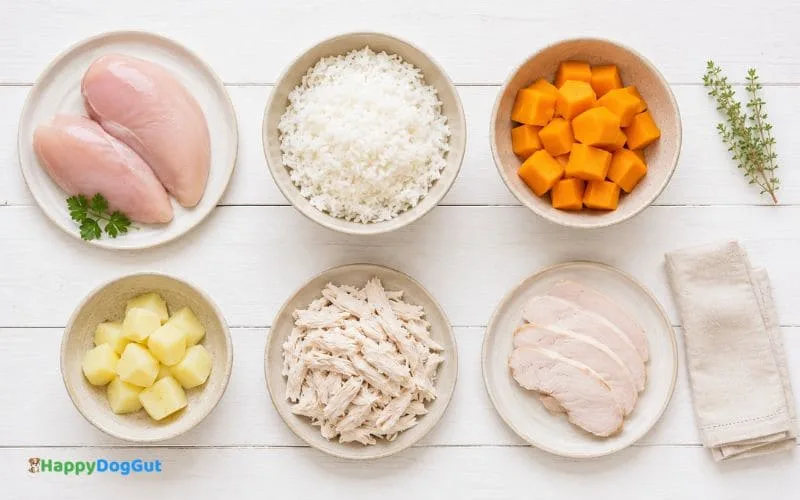
A bland diet for dogs is a short-term feeding plan made up of simple, easy-to-digest foods that are gentle on the stomach and intestines. Veterinarians commonly suggest this type of diet for dogs recovering from mild digestive upset, such as diarrhea, occasional vomiting, or stomach irritation. The goal isn’t to “treat” the underlying cause but to give the digestive system a chance to settle while still providing enough nutrition to support recovery.
Unlike regular dog food, which may contain multiple protein sources, added fats, fiber blends, and other ingredients, a bland diet keeps things simple. It typically combines a lean, easily digestible protein—such as boiled, skinless chicken breast or lean ground turkey—with a plain carbohydrate like cooked white rice or, in some cases, boiled potatoes. These foods are less likely to irritate an already sensitive digestive tract and are generally easier for dogs to digest.
🩺 Why Do Veterinarians Trusted a Bland Diet?
When a dog has an upset stomach, the digestive tract may become temporarily inflamed or irritated. Rich foods, fatty treats, or sudden diet changes can force the stomach and intestines to work harder, sometimes worsening diarrhea or vomiting.
A bland diet helps by:
- ✅ Providing easily digestible nutrients
- ✅ Reducing the digestive workload
- ✅ Giving the stomach and intestines time to recover
- ✅ Supporting normal stool formation
- ✅ Encouraging dogs with a reduced appetite to eat again
Think of it as offering your dog’s digestive system a “lighter workload” while it recovers rather than asking it to process a full, complex meal.
🍗 What Foods Are Considered Bland?
Most veterinarian-trusted bland diets include foods that are low in fat, simply prepared, and free from seasonings or added ingredients.
Common options include:
- Boiled, skinless chicken breast
- Lean ground turkey
- Plain cooked white rice
- Boiled white potatoes (without butter or seasoning)
- Plain canned pumpkin (100% pumpkin, not pumpkin pie filling)
- Prescription gastrointestinal diets recommended by your veterinarian
⚠️ Avoid adding salt, butter, oils, garlic, onions, or spices. Even small amounts of these ingredients can irritate your dog’s digestive system or, in some cases, be harmful.
🕒 A Bland Diet Is Meant to Be Temporary
One of the biggest misconceptions is that a bland diet is healthier than regular dog food and can be fed indefinitely. That’s not the case.
A homemade bland diet is not nutritionally complete or balanced for long-term feeding. While it provides gentle nutrition during recovery, it doesn’t contain all the vitamins, minerals, essential fatty acids, and other nutrients dogs need over time.
For most otherwise healthy adult dogs with mild digestive upset, a bland diet is typically used for two to three days, or as directed by a veterinarian. Once your dog’s appetite returns and their stool begins to firm up, it’s usually time to gradually transition back to their regular food instead of continuing the bland diet.
💡 If your dog’s stomach seems to get upset frequently rather than just occasionally, don’t rely on repeated bland diets as a long-term solution. It’s more important to identify and address the underlying cause. You may also find our guide on how to calm a dog’s upset stomach naturally helpful for additional home care strategies that complement a short-term bland diet.
When Does a Dog Need a Bland Diet?
A bland diet for dogs isn’t necessary every time your dog has an upset stomach. It’s generally used as short-term digestive support for mild gastrointestinal issues in otherwise healthy dogs that are alert, drinking water, and not showing signs of a medical emergency.
Knowing when a bland diet may help—and when it isn’t enough—is just as important as knowing what to feed.
💩 Mild Diarrhea
One or two episodes of loose stool without other concerning symptoms are among the most common reasons of a bland diet.
Mild diarrhea can occur after:
- Switching dog foods too quickly
- Eating unfamiliar treats
- Minor dietary indiscretion
- Temporary digestive upset
- Mild stress
A bland diet gives the intestines a break by replacing richer foods with ingredients that are easier to digest. As the digestive tract settles, many dogs begin producing firmer stools within 24 to 72 hours.
💡 If you’re unsure what foods are best once diarrhea begins to improve, read our guide on what to feed a dog after diarrhea.
🤢 Mild Vomiting
If your dog vomits once or twice but quickly returns to normal behavior, a bland diet may help after the stomach has had a short period of rest and your veterinarian has advised that feeding is appropriate.
Small, frequent meals are usually easier to tolerate than one large meal because they place less stress on the stomach.
However, repeated vomiting, vomiting blood, severe abdominal pain, or an inability to keep water down should never be treated with a bland diet alone. These symptoms require prompt veterinary attention.
🩺 Upset Stomach
Sometimes dogs don’t have diarrhea or frequent vomiting but simply seem “off.”
You may notice signs such as:
- Lip licking
- Mild nausea
- Eating grass
- Stomach gurgling
- Reduced appetite
- Occasional burping
- Mild discomfort after eating
These subtle signs often suggest temporary stomach irritation rather than a serious illness. In these situations, a bland diet may help reduce digestive workload while you closely monitor your dog’s condition.
Keep fresh water available at all times, and watch for changes in appetite, energy level, and stool quality over the next day or two.
🍕 After Dietary Indiscretion
Many dogs aren’t picky about what they eat—and that’s often the problem.
Raiding the trash, stealing greasy table scraps, chewing on rich holiday foods, or eating something unusual during a walk can all irritate the digestive system.
This type of “dietary indiscretion” is one of the most common reasons dogs develop short-term digestive upset.
If your dog remains bright, alert, and only has mild symptoms, your veterinarian may recommend feeding a bland diet for a few days while the digestive tract settles.
⚠️ Keep in mind that if your dog swallowed bones, toys, socks, corn cobs, or any other foreign object, do not rely on home care. An intestinal blockage is a medical emergency.
🌿 During Digestive Recovery
A bland diet is often used after the worst symptoms have started improving, helping dogs transition from an irritated digestive tract back toward normal eating.
Rather than immediately returning to regular kibble, introducing gentle foods first allows the stomach and intestines to continue healing without being overwhelmed.
As your dog’s appetite improves and stools become firmer, you’ll gradually mix their regular food back into the bland diet over several days.
👩⚕️ After a Veterinary Recommendation
Not every bland diet is prepared at home.
Depending on your dog’s age, medical history, and digestive condition, your veterinarian may recommend:
- A homemade bland diet
- A prescription gastrointestinal diet
- A hydrolyzed protein diet
- A highly digestible therapeutic food
Following your veterinarian’s feeding instructions is especially important for puppies, senior dogs, or dogs with chronic digestive diseases such as inflammatory bowel disease (IBD), pancreatitis, or food allergies.
🚫 When NOT to Use Home Care
A bland diet is designed for mild, short-term digestive upset. It should never delay veterinary care when more serious symptoms are present.
Contact your veterinarian promptly if your dog has:
- 🚨 Repeated vomiting that doesn’t stop
- 🚨 Bloody diarrhea or black, tarry stools
- 🚨 Vomiting blood
- 🚨 Severe lethargy or weakness
- 🚨 Signs of dehydration (dry gums, sunken eyes, excessive panting)
- 🚨 A swollen or painful abdomen
- 🚨 Refuses food and water for more than 24 hours
- 🚨 Persistent diarrhea lasting longer than two to three days
- 🚨 Suspected ingestion of toxins, medications, or foreign objects
- 🚨 Is a very young puppy, senior dog, pregnant dog, or has a chronic medical condition
💡 While many mild cases improve with supportive care, it’s important to recognize when diarrhea becomes serious. Early veterinary treatment can prevent dehydration, identify underlying illnesses, and reduce the risk of more serious complications.
Signs Your Dog May Benefit From a Bland Diet
Not every digestive issue requires a special diet, but certain symptoms can suggest that your dog’s stomach or intestines need a little time to recover. If your dog is otherwise bright, alert, and drinking water normally, a bland diet for dogs may provide gentle nutritional support while you monitor their progress.
The key is to look at the whole picture. A single loose stool after eating something unusual is very different from repeated vomiting, severe lethargy, or bloody diarrhea. Understanding these early signs can help you decide whether home care may be appropriate—or whether it’s time to contact your veterinarian.
💩 Soft or Loose Stool
One of the most common reasons owners start a bland diet is noticing that their dog’s stool is softer than usual.
Soft stool may look:
- Less firm than normal
- Difficult to pick up cleanly
- Poorly formed or mushy
- Slightly watery but not completely liquid
This often happens when the large intestine becomes mildly irritated, or food moves through the digestive tract faster than usual. By feeding easily digestible foods, a bland diet can reduce irritation and give the intestines time to absorb water more effectively, helping stools gradually become firmer.
If your dog has only occasional soft stools but otherwise seems happy, playful, and continues eating normally, it may not always indicate a serious illness. You can learn more in our guide about soft stools but acting normal.
🚽 Loose Stool or Mild Diarrhea
Loose stool or mild diarrhea is another common sign that a temporary bland diet may help.
You might notice:
- More frequent bowel movements
- Stool that loses its normal shape
- Urgency to go outside
- Slight mucus on the stool
Mild digestive upset often improves within a couple of days with rest, hydration, and an appropriate bland diet. However, diarrhea that becomes severe, contains blood, or continues for several days should never be managed with home care alone.
🤢 Mild Vomiting
Occasional vomiting can happen if a dog eats too quickly, consumes something unfamiliar, or experiences temporary stomach irritation.
If your dog vomits only once, then:
- Drinks water normally
- Remains active
- Shows interest in food later
- Has no other concerning symptoms
Your veterinarian may recommend introducing a bland diet once the stomach has settled.
Repeated vomiting, however, is a different situation and should always be evaluated by a veterinarian before continuing home treatment.
👅 Frequent Lip Licking
Dogs often communicate nausea in subtle ways before they actually vomit.
One behavior many owners overlook is frequent lip licking.
You may notice your dog:
- Constantly licking their lips
- Swallowing repeatedly
- Smacking their lips
- Drooling slightly
These behaviors can occur when excess stomach acid or nausea makes a dog uncomfortable. Offering a gentle, bland meal after an appropriate resting period may sometimes be easier for an irritated stomach to tolerate than a rich, fatty meal.
🌱 Grass Eating
Many dogs nibble on grass from time to time, and in most cases it’s completely normal. However, some dogs eat grass when they feel mildly nauseated or have temporary stomach discomfort.
If your dog occasionally eats grass and then vomits once before acting completely normal again, it may simply be a sign of minor digestive irritation rather than a serious illness.
Learn more about why this happens in our guide on Dog eats grass then vomits.
🔊 Stomach Noises (Gurgling Sounds)
Have you ever heard your dog’s stomach making loud gurgling or rumbling noises?
These sounds, known medically as borborygmi, occur as gas and fluids move through the digestive tract.
While occasional stomach noises are completely normal, louder or more frequent gurgling—especially when combined with diarrhea, nausea, or reduced appetite—may indicate temporary digestive upset.
A bland diet won’t stop stomach noises immediately, but it may help reduce digestive irritation while the gut recovers.
🍽️ Reduced Appetite
Dogs with mild stomach upset often don’t lose their appetite completely. Instead, they may:
- Eat more slowly
- Leave part of their meal
- Show interest in food but walk away
- Sniff food without eating much
This reduced appetite is often the body’s natural response to digestive discomfort. Because bland foods are typically lower in fat and easier to digest, many dogs are more willing to eat small portions during recovery.
It’s best to offer small, frequent meals rather than one large serving, which can place additional stress on an already sensitive stomach.
📝 Monitor Symptoms Closely
A bland diet works best for mild digestive upset in otherwise healthy dogs. While many dogs begin showing improvement within 24 to 72 hours, you should continue monitoring:
- ✅ Stool consistency
- ✅ Appetite
- ✅ Water intake
- ✅ Energy level
- ✅ Vomiting frequency
- ✅ Overall behavior
If your dog’s symptoms worsen, new warning signs develop, or you don’t see gradual improvement within a couple of days, stop home treatment and contact your veterinarian. Early evaluation can help identify underlying conditions before they become more serious.
How a Bland Diet Helps the Digestive System
When your dog has an upset stomach, the digestive system is often working harder than usual. Inflammation, irritation, or faster movement of food through the intestines can make it difficult to absorb nutrients and water properly. That’s why veterinarians often recommend a bland diet for dogs—not because it cures the problem, but because it creates a gentler environment for the digestive tract to recover.
Think of it like giving your dog’s stomach a break after it’s been under stress. Instead of processing rich, fatty, or highly complex meals, the digestive system can focus on healing while still receiving the energy and nutrients your dog needs.
Let’s look at how a bland diet supports that recovery.
🥩 Low in Fat, Easier on the Stomach
Fat is an important part of a healthy dog’s diet, but it also takes longer to digest than protein or carbohydrates.
When the stomach or intestines are irritated, high-fat foods—such as greasy table scraps, fatty meats, cheese, or rich treats—can make digestive upset worse. They may trigger additional vomiting, loose stools, or abdominal discomfort.
A typical bland diet uses lean proteins like boiled skinless chicken breast or lean ground turkey because they provide essential protein without placing unnecessary strain on the digestive system.
This allows your dog’s stomach to process food more comfortably while reducing the risk of further irritation.
🍚 Easy-to-Digest Ingredients Reduce Digestive Work
One of the biggest advantages of a bland diet is its simplicity.
Foods such as boiled chicken and plain white rice are easy for the digestive tract to break down and absorb. Unlike diets containing multiple protein sources, rich fats, artificial additives, or high-fiber ingredients, a bland diet keeps digestion straightforward.
Because the stomach and intestines don’t have to work as hard, they can devote more energy to repairing the irritated lining of the gastrointestinal tract.
For many dogs, this also means:
- ✅ Less stomach discomfort
- ✅ Better nutrient absorption
- ✅ Reduced nausea
- ✅ Improved appetite during recovery
💩 Supports Firmer Stool Formation
When diarrhea occurs, food moves through the intestines more quickly than normal. As a result, the colon doesn’t have enough time to absorb water, leading to loose or watery stools.
A bland diet helps slow this process by providing foods that are generally well tolerated and less likely to irritate the intestinal lining.
As digestion begins returning to normal, many owners notice gradual improvements such as:
- More formed stools
- Fewer bowel movements
- Less urgency to go outside
- Reduced mucus in the stool
It’s important to remember that improvement is usually gradual—not immediate. Most mild digestive upsets begin improving within 24 to 72 hours, provided there’s no underlying illness requiring medical treatment.
🌿 Gives the Gut Time to Recover
Your dog’s digestive system is home to trillions of beneficial microorganisms that help break down food, produce certain nutrients, and support the immune system. When diarrhea, vomiting, or sudden dietary changes occur, this delicate balance can temporarily become disrupted.
By feeding foods that are gentle on the digestive tract, a bland diet creates conditions that allow the intestines to recover without additional dietary stress.
If you’d like to learn more about the important role these beneficial microbes play, read our guide on Gut Bacteria.
🍃 Helps Reduce Digestive Irritation
A bland diet doesn’t directly treat inflammation like medication might, but it can help reduce ongoing irritation by avoiding foods that commonly aggravate an already sensitive digestive system.
For example, eliminating:
- Fatty foods
- Rich treats
- Spicy or seasoned foods
- Dairy products
- Greasy leftovers
Allows the stomach and intestines to settle without constantly being challenged by harder-to-digest ingredients.
Many owners notice that as irritation decreases, their dog gradually begins to:
- 🐾 Eat with more enthusiasm
- 🐾 Have more energy
- 🐾 Produce firmer stools
- 🐾 Show fewer signs of nausea
- 🐾 Return to normal bathroom habits
These small improvements often appear before a dog is completely recovered, making them encouraging signs that the digestive system is moving in the right direction.
You can learn what recovery typically looks like in our guide to the Signs your dog’s gut is healing.
💡 A Helpful Tool—But Not a Cure
While a bland diet can play an important role in supporting digestive recovery, it’s important to keep realistic expectations.
A bland diet helps manage symptoms, but it doesn’t cure bacterial infections, parasites, pancreatitis, food allergies, inflammatory bowel disease (IBD), or other medical conditions that may be causing digestive problems.
If your dog’s diarrhea or vomiting continues despite a bland diet, or new symptoms develop, it’s time to consult your veterinarian rather than extending home treatment. The goal is always to support recovery safely while identifying any underlying health issues that require more specific care.
Best Foods for a Bland Diet for Dogs
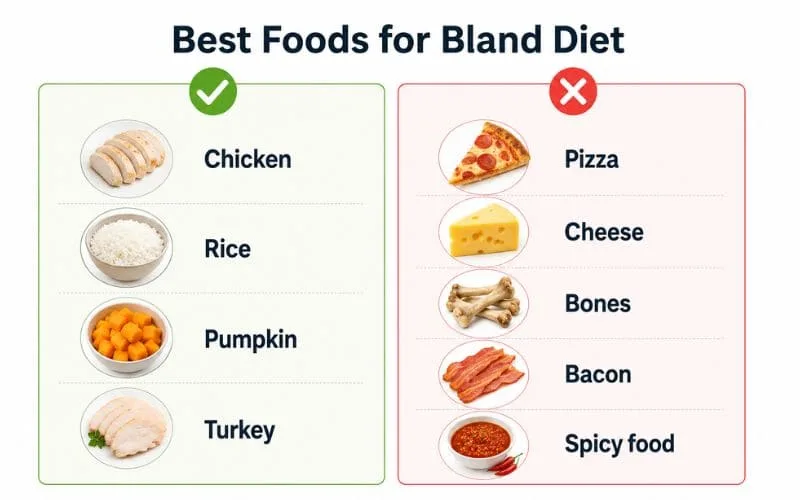
Not all “plain” foods are appropriate when your dog has an upset stomach. The best foods for a bland diet for dogs are those that are easy to digest, low in fat, and gentle on the stomach and intestines. They should provide enough nutrition to support recovery without making the digestive system work harder than necessary.
While homemade bland diets are commonly used for short-term digestive issues, your veterinarian may recommend a prescription gastrointestinal diet if your dog has more severe symptoms or an underlying digestive condition.
Here’s a closer look at the foods most commonly recommended during recovery.
📊 Comparison: Best Foods for a Bland Diet for Dogs
| Food | Why It’s a Good Choice | Best For | Things to Remember |
|---|---|---|---|
| 🍗 Boiled Skinless Chicken Breast | Lean, highly digestible protein | Mild diarrhea, upset stomach, recovery | Remove all skin, fat, bones, and seasoning. |
| 🦃 Lean Ground Turkey | Gentle source of protein with less fat than many meats | Dogs that don’t tolerate chicken | Choose plain, unseasoned turkey and drain excess fat after cooking. |
| 🍚 Cooked White Rice | Easy-to-digest carbohydrate that provides energy | Loose stools and temporary digestive upset | Cook until soft. Avoid flavored or seasoned rice. |
| 🎃 Plain Canned Pumpkin | Natural source of soluble fiber that can help regulate stool consistency | Mild diarrhea or soft stools | Use 100% plain pumpkin, never pumpkin pie filling. |
| 🥔 Boiled White Potatoes | Gentle carbohydrate alternative to rice | Dogs with rice sensitivities (if approved by your vet) | Peel, boil until soft, and serve plain without butter or salt. |
| 🩺 Prescription Gastrointestinal Diets | Formulated for optimal digestibility and complete nutrition | Dogs with recurring or more serious digestive issues | Use only under your veterinarian’s guidance. |
🍗 Boiled Skinless Chicken Breast
Boiled chicken is one of the most commonly recommended proteins for a bland diet—and for good reason.
It’s naturally lean, easy to digest, and provides high-quality protein without excessive fat that could further irritate the digestive tract.
For the best results:
- Remove the skin before cooking.
- Trim away visible fat.
- Boil in plain water only.
- Shred or chop into bite-sized pieces.
- Never add salt, garlic, onions, butter, or seasonings.
⚠️ Although chicken works well for many dogs, it isn’t ideal for dogs with a known chicken allergy or food intolerance. In those cases, your veterinarian may suggest another lean protein.
🦃 Lean Ground Turkey
Lean ground turkey is an excellent alternative for dogs that don’t tolerate chicken well.
It provides digestible protein while remaining relatively low in fat, especially when using 93% lean or leaner varieties.
After cooking:
- Drain excess fat.
- Avoid oils or seasoning.
- Mix with a simple carbohydrate such as white rice if recommended.
Many owners are surprised to learn that simply switching from fatty ground beef to lean turkey can make meals much easier for an irritated stomach to handle.
🍚 Cooked White Rice
White rice has been part of traditional bland diets for years because it’s gentle on the digestive system and provides an easily digestible source of carbohydrates.
Unlike brown rice, white rice contains less fiber, making it easier to digest during short-term gastrointestinal recovery.
White rice can help:
- Provide energy while appetite returns.
- Support more normal stool consistency.
- Pair well with lean protein to create a balanced temporary meal.
Cook the rice until it’s soft and fully tender. Avoid instant flavored rice or products containing butter, herbs, or spices.
🎃 Plain Pumpkin
Plain canned pumpkin is often recommended as a supplement—not necessarily the main ingredient—in a bland diet.
Its natural soluble fiber can help absorb excess water in the intestines while supporting more consistent stool quality. Some dogs with mild diarrhea or soft stools benefit from adding a small amount of pumpkin to their meal, although it’s not appropriate for every digestive condition.
Just be sure you’re using 100% pure pumpkin.
🚫 Pumpkin pie filling is not safe because it often contains added sugar, spices, and other ingredients that dogs shouldn’t eat.
If you’d like to know when pumpkin is actually helpful—and when it may not be—the guide on Pumpkin for sensitive stomachs covers it in detail.
🥔 Boiled White Potatoes
For dogs that can’t tolerate rice or simply need an alternative carbohydrate, boiled white potatoes may be another option if your veterinarian approves.
Potatoes should always be:
- Peeled
- Thoroughly cooked
- Served plain
- Free from butter, milk, cheese, or seasoning
They provide easily digestible carbohydrates that help supply energy while remaining relatively gentle on the digestive tract.
However, potatoes aren’t suitable for every dog, especially those with certain medical conditions such as diabetes, so it’s always worth discussing alternatives with your veterinarian if you’re unsure.
🩺 Prescription Gastrointestinal Diets
Sometimes homemade bland diets aren’t enough.
Dogs with repeated digestive problems, chronic diarrhea, inflammatory bowel disease (IBD), pancreatitis, or prolonged vomiting may benefit more from a prescription gastrointestinal diet recommended by their veterinarian.
These diets are specially formulated to:
- Support optimal digestion
- Provide complete and balanced nutrition
- Include carefully selected ingredients
- Be highly digestible
- Reduce the digestive workload while maintaining nutritional needs
Unlike homemade bland diets, prescription GI foods are designed for longer-term nutritional use when medically appropriate.
💡 Which Food Is Best?
There’s no single “best” bland food for every dog.
The ideal choice depends on:
- Your dog’s age
- The severity of digestive symptoms
- Food allergies or intolerances
- Existing medical conditions
- Your veterinarian’s recommendations
For many healthy adult dogs with mild digestive upset, a combination of boiled chicken and white rice remains the most commonly recommended starting point. If you’d like step-by-step cooking instructions, portion guidance, and serving tips, see our Homemade Chicken and Rice recipe.
The most important thing is to keep meals simple, avoid unnecessary ingredients, and closely monitor your dog’s progress over the next 24 to 72 hours. If symptoms don’t improve—or they worsen despite feeding a bland diet—it’s time to contact your veterinarian rather than trying additional foods at home.
Foods to Avoid During Recovery
Choosing the right foods is only half the battle when your dog has an upset stomach. Avoiding the wrong foods is just as important. Even ingredients that seem harmless to us can place extra stress on an already irritated digestive system, slow recovery, or even make symptoms worse.
During a bland diet, your goal is to keep meals as simple and gentle as possible. This isn’t the time to offer table scraps, rich treats, or experiment with new foods.
📊 Foods to Avoid While Feeding a Bland Diet
| Food | Why You Should Avoid It | Possible Effect on Your Dog |
|---|---|---|
| 🥓 Fatty Foods | High-fat foods take longer to digest and can irritate the digestive tract. | Worsening diarrhea, vomiting, stomach discomfort |
| 🧈 Butter & Cooking Oils | Add unnecessary fat with little nutritional benefit during recovery. | Delayed recovery and digestive upset |
| 🧀 Cheese | High in fat and many dogs don’t digest dairy well. | Gas, loose stools, vomiting |
| 🥛 Milk & Other Dairy Products | Many adult dogs are lactose intolerant. | Diarrhea, bloating, abdominal discomfort |
| 🥩 Raw Food | May contain harmful bacteria and is harder for an irritated digestive system to handle. | Increased risk of digestive illness |
| 🦴 Bones | Can splinter, cause constipation, or even intestinal blockages. | Choking, vomiting, serious GI injury |
| 🦴 Dog Treats & Chews | Often contain extra fat, flavorings, or multiple ingredients. | Can restart digestive upset |
| 🌶️ Spicy or Seasoned Foods | Human seasonings are not appropriate for dogs recovering from GI issues. | Stomach irritation and vomiting |
| 🧄 Garlic | Toxic to dogs and can damage red blood cells. | Serious illness, especially in larger amounts |
| 🧅 Onion | Toxic to dogs in raw, cooked, or powdered form. | Anemia and digestive problems |
🍟 Fatty Foods Can Slow Recovery
One of the biggest mistakes dog owners make is assuming their dog deserves a “special meal” while they’re sick.
Unfortunately, foods like:
- Bacon
- Sausage
- Hamburger with visible fat
- Fried chicken
- Pizza crusts
- Greasy leftovers
are exactly the types of foods an upset stomach struggles to digest.
High-fat meals force the digestive system to work harder and may trigger another episode of vomiting or diarrhea just when your dog seems to be improving.
🧀 Dairy Isn’t Always Gentle
Many people think a little cheese or milk is comforting because that’s how humans sometimes manage digestive discomfort.
Dogs are different.
As dogs mature, many produce less of the enzyme needed to digest lactose. This means dairy products can actually cause gas, bloating, and loose stools, making recovery take longer.
Even small amounts of cheese should be avoided until your dog’s digestion has fully returned to normal.
🥩 Avoid Raw Diets During Digestive Upset
If your dog normally eats a raw diet, it may be tempting to continue feeding it during recovery.
However, when the digestive tract is already irritated, raw meat carries a higher risk of exposing your dog to bacteria such as Salmonella or E. coli. Even healthy dogs can have a harder time handling these bacteria when their gastrointestinal system is compromised.
This is one reason veterinarians often recommend cooked, highly digestible foods during short-term digestive recovery.
🦴 Skip Bones and Long-Lasting Chews
Bones and hard chews may seem harmless because your dog enjoys them, but they can create additional problems during recovery.
Bones can:
- Splinter and injure the digestive tract
- Cause constipation
- Lead to vomiting
- Increase the risk of intestinal blockage
Even digestible chews may be too rich for a recovering stomach.
It’s best to wait until your dog is completely back to normal before reintroducing these items.
🍖 Hold Off on Treats
Many owners unknowingly slow their dog’s recovery by offering treats between bland meals.
Even treats labeled as “natural” or “healthy” often contain:
- Multiple protein sources
- Added fats
- Flavor enhancers
- Artificial ingredients
- Rich meat flavors
These ingredients can upset a healing digestive tract.
During recovery, your dog’s bland meals should provide all the nutrition they need. Treats can wait until normal digestion has returned.
🧄 Garlic and 🧅 Onion Are Never Safe
Garlic and onions deserve special mention because they aren’t just irritating—they’re toxic to dogs.
Whether they’re:
- Raw
- Cooked
- Powdered
- Mixed into soups or sauces
These ingredients can damage red blood cells and lead to potentially serious health problems.
This is another reason why homemade bland diets should always be prepared plain, without any seasonings or flavorings.
💡 Keep It Simple for Faster Recovery
When your dog’s stomach is recovering, less is often more.
Instead of trying multiple home remedies or adding extra ingredients to make meals “more nutritious,” focus on feeding a few simple, highly digestible foods until your dog’s appetite, stool quality, and energy level have returned to normal.
If you’re unsure which ingredients are generally considered safe—or which ones are more likely to trigger digestive problems in sensitive dogs—read our guide on Ingredients to avoid for sensitive stomachs.
Remember: A bland diet works best when it’s truly bland. Keeping meals plain for a few days may feel boring, but it’s often one of the most effective ways to support your dog’s digestive recovery.
Bland Diet Recipe for Dogs
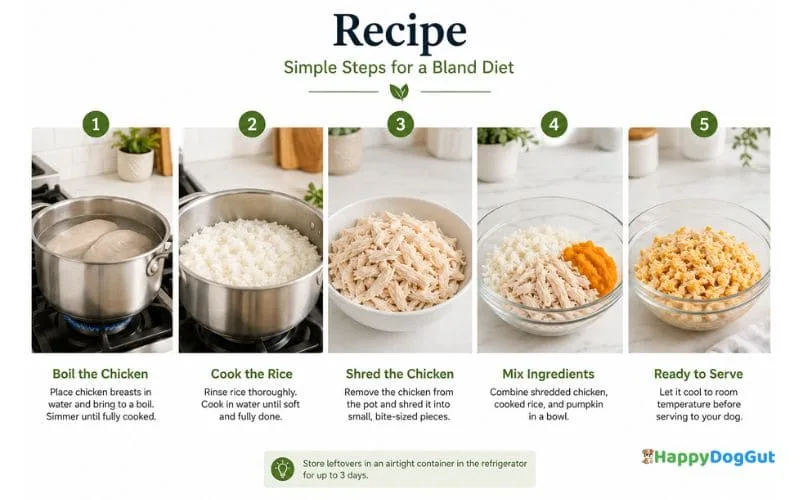
Preparing a bland diet for dogs at home doesn’t have to be complicated. In fact, the simpler the recipe, the better. The goal is to provide your dog with a meal that’s easy to digest, low in fat, and gentle on the stomach—without unnecessary ingredients that could slow recovery.
For most healthy adult dogs with mild digestive upset, a combination of boiled chicken and plain white rice remains the classic veterinarian-recommended option. If your dog has a known chicken allergy or your veterinarian recommends another protein, you can substitute lean ground turkey instead.
💡 Remember: A homemade bland diet is intended for short-term feeding only. It isn’t nutritionally complete and should not replace your dog’s regular balanced diet for more than a few days unless directed by your veterinarian.
📝 Ingredients
For a simple homemade bland diet, you’ll need:
- 🍗 1 cup skinless, boneless chicken breast (or lean ground turkey)
- 🍚 2 cups cooked white rice
- 💧 Water for boiling
Optional (only if recommended by your veterinarian):
- 🎃 1–2 teaspoons of plain canned pumpkin (100% pumpkin)
- 🥔 Plain boiled white potato instead of rice for some dogs
🚫 Do not add:
- Salt
- Butter
- Cooking oil
- Garlic
- Onion
- Herbs
- Seasonings
- Broth containing spices
👨🍳 Step 1: Prepare the Ingredients
Start by trimming away all visible fat from the chicken breast.
If you’re using chicken:
- Remove the skin completely.
- Cut large pieces into smaller chunks, so they cook evenly.
If you’re using lean ground turkey:
- Choose the leanest option available.
- Avoid seasoned or pre-marinated products.
Rinse the white rice before cooking if desired, then prepare it according to the package directions using plain water.
🔥 Step 2: Cook Everything Plain
Boil the chicken in plain water until it’s fully cooked and no pink remains inside.
Once cooked:
- Let it cool slightly.
- Shred or finely chop it into bite-sized pieces.
Cook the white rice until it’s soft and tender.
Avoid frying, baking with oils, or adding flavorings. While these methods may make food taste better to us, they can be much harder on a recovering digestive system.
🥣 Step 3: Mix the Bland Diet
A commonly recommended starting ratio is:
- 2 parts cooked white rice
- 1 part boiled chicken or lean turkey
For example:
- 2 cups cooked white rice
- 1 cup shredded boiled chicken
Mix everything thoroughly so each bite contains both protein and carbohydrates.
If your veterinarian recommends adding pumpkin, stir in only a small amount. More isn’t always better—too much fiber can actually worsen digestive upset in some dogs.
❄️ Step 4: Store Leftovers Safely
Homemade bland diets don’t contain preservatives, so proper storage is important.
- Store leftovers in an airtight container.
- Refrigerate for up to 3 days.
- Discard any food that develops an unusual smell or appearance.
- If making a larger batch, freeze individual meal portions for up to 2 months and thaw them in the refrigerator before serving.
Never leave cooked food sitting at room temperature for several hours, especially during warmer weather.
🍽️ Step 5: Serve Small, Frequent Meals
Instead of offering one or two large meals, divide your dog’s daily food into three to six smaller meals.
Smaller portions are generally easier for an irritated stomach to digest and may reduce the chance of vomiting after eating.
A few serving tips:
- Serve food slightly warm or at room temperature.
- Make sure fresh water is always available.
- Avoid treats, table scraps, or other foods until your dog has fully recovered.
- Monitor your dog’s appetite, stool consistency, and energy level after each meal.
If your dog refuses to eat the bland diet or vomits shortly after eating, stop home treatment and contact your veterinarian for further guidance.
🔄 Simple Recipe Variations
While chicken and rice is the most commonly recommended bland diet, it isn’t the only option. Depending on your dog’s dietary history and your veterinarian’s advice, one of these alternatives may be appropriate.
| Variation | Best For | Notes |
|---|---|---|
| 🍗 Chicken + White Rice | Most healthy adult dogs | Classic veterinarian-recommended option |
| 🦃 Lean Turkey + White Rice | Dogs sensitive to chicken | Keep turkey lean and unseasoned |
| 🍗 Chicken + Boiled Potato | Dogs that don’t tolerate rice well | Potatoes should be plain and peeled |
| 🩺 Prescription GI Diet | Chronic digestive problems | Use only under veterinary guidance |
Every dog is different. A recipe that works well for one dog may not be ideal for another, especially if food allergies, chronic digestive disease, or medical conditions are involved.
💡 If you’d like a more detailed walkthrough with cooking instructions, portion suggestions, and feeding tips, see our complete guide to homemade chicken and rice.
If your dog experiences digestive problems regularly—not just during occasional stomach upsets—you may also find our collection of homemade dog food for sensitive stomachs helpful for veterinarian-guided meal ideas designed for longer-term digestive support.
Tip: Resist the temptation to “improve” a bland diet by adding broth cubes, cheese, eggs, supplements, or leftovers from your own dinner. During recovery, simple is usually best. Once your dog’s stool has returned to normal and they’re eating comfortably again, you can gradually transition back to their regular balanced diet.
How Much Bland Diet Should You Feed?
One of the most common questions dog owners ask is, “How much bland diet should I feed my dog?” Unfortunately, there’s no one-size-fits-all answer.
The right amount depends on several factors, including your dog’s:
- 🐕 Body weight
- 🎂 Age
- ⚡ Activity level
- 🩺 Overall health
- 🤢 Severity of digestive upset
The goal isn’t to feed more—it’s to feed just enough to provide energy without overwhelming an irritated digestive system.
During recovery, small, frequent meals are usually much easier to digest than one or two large meals.
📊 Bland Diet Feeding Guide by Weight
The table below provides general starting guidelines for healthy adult dogs with mild digestive upset.
| Dog’s Weight | Total Bland Diet Per Day | Meals Per Day | Approximate Amount Per Meal |
|---|---|---|---|
| 5–10 lbs | ½–1 cup | 4–5 meals | 2–4 tablespoons |
| 10–20 lbs | 1–1½ cups | 4 meals | ¼–⅓ cup |
| 20–40 lbs | 2–3 cups | 3–4 meals | ½–¾ cup |
| 40–60 lbs | 3–4½ cups | 3 meals | 1–1½ cups |
| 60–80 lbs | 4½–6 cups | 3 meals | 1½–2 cups |
| 80+ lbs | 6–8 cups (or as advised by your veterinarian) | 3 meals | Divide evenly throughout the day |
💡 These are general guidelines—not strict rules. If your dog is very active, underweight, a growing puppy, or has an underlying medical condition, their nutritional needs may be different. Always follow your veterinarian’s recommendations if they differ from these estimates.
🍗 Start with Smaller Portions
One mistake many owners make is assuming their dog is hungry after vomiting or diarrhea and immediately offering a full bowl of food.
While your dog may seem eager to eat, a large meal can overload a sensitive stomach and may trigger another episode of vomiting or loose stool.
Instead:
- ✅ Start with a small portion.
- ✅ Wait 2–3 hours to see how your dog responds.
- ✅ If they keep the food down and seem comfortable, offer another small meal.
Gradually increasing meal size is usually much gentler on the digestive tract than serving one large portion all at once.
⏰ Feed Smaller Meals More Often
Meal frequency is just as important as portion size.
Rather than feeding your dog once or twice a day, divide their daily food into three to six smaller meals.
For example:
Morning: Small meal
Midday: Small meal
Afternoon: Small meal
Evening: Small meal
This feeding pattern helps:
- Reduce strain on the stomach
- Improve digestion
- Minimize nausea
- Lower the risk of vomiting after eating
- Support more consistent nutrient absorption
As your dog improves, you can slowly return to their normal feeding schedule over the next few days.
🔥 Don’t Worry Too Much About Calories for a Few Days
A homemade bland diet isn’t perfectly balanced from a calorie or nutrient perspective—and that’s okay for short-term recovery.
For most healthy adult dogs, the priority during the first 48 to 72 hours is:
- Keeping food down
- Staying hydrated
- Supporting digestive healing
- Gradually restoring appetite
Trying to match your dog’s exact daily calorie requirement isn’t necessary during this brief recovery period.
However, if your dog refuses food entirely for more than 24 hours (or even sooner in puppies and toy breeds), contact your veterinarian promptly.
💧 Water Is Just as Important as Food
Dogs with diarrhea or vomiting lose both water and electrolytes, increasing the risk of dehydration.
Even if your dog isn’t interested in eating much, they should continue drinking water.
Here are a few simple ways to encourage hydration:
- 🥣 Keep fresh, clean water available at all times.
- 💧 Offer small amounts frequently rather than allowing your dog to gulp large quantities at once.
- 🧊 Some dogs are happy to lick ice cubes if they’re reluctant to drink.
- 🍗 Adding a small amount of warm water to the bland diet can also increase moisture intake.
⚠️ If your dog refuses water, vomits every time they drink, has dry or sticky gums, sunken eyes, or seems unusually weak, seek veterinary care immediately. Dehydration can become serious much faster than many owners realize.
🚫 Common Feeding Mistakes During Recovery
Avoid these mistakes while your dog is on a bland diet:
- ❌ Feeding one large meal instead of several small ones
- ❌ Offering treats between meals
- ❌ Giving fatty snacks because your dog “looks hungry”
- ❌ Switching foods repeatedly when improvement isn’t immediate
- ❌ Forcing your dog to eat if they’re actively vomiting
Patience is important. Mild digestive upset usually improves gradually—not overnight.
💡 Think of It as a Gentle Reset
A bland diet works best when it’s part of a structured recovery plan rather than a quick fix. Small meals, proper hydration, and careful observation often make a significant difference during the first few days.
For a complete step-by-step recovery plan—including hydration tips, meal timing, and what to do during the first 48 to 72 hours—read our Dog gut reset protocol. It pairs well with a bland diet and helps many owners confidently guide their dogs through mild digestive upset while knowing when it’s time to seek veterinary care.
Feeding Schedule During Recovery
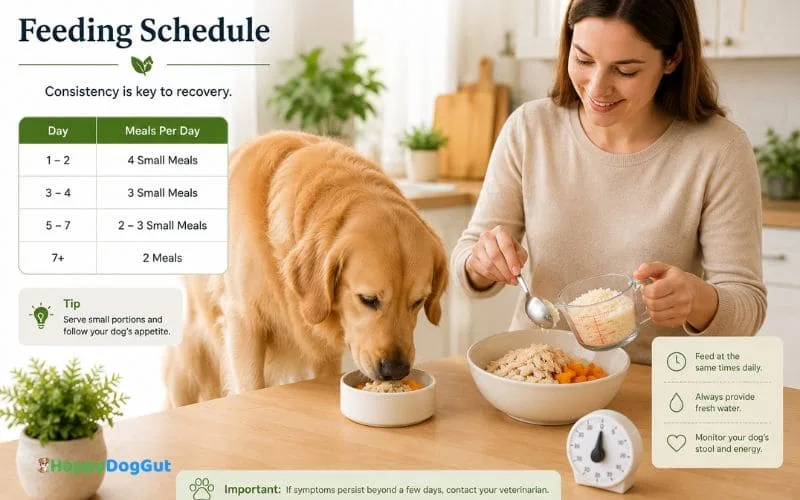
Knowing what to feed your dog is important—but when and how often you feed them can have just as much impact on their recovery.
A common mistake dog owners make is returning to their normal feeding routine too quickly. Even if your dog seems hungry after a bout of diarrhea or vomiting, the digestive system may still be healing behind the scenes.
The first few days should focus on small, frequent meals, plenty of fresh water, and careful observation. As your dog’s stool becomes firmer, appetite improves, and energy returns, you can gradually reduce meal frequency and prepare to transition back to their regular diet.
💡 Every dog recovers at a different pace. The schedule below is a general guideline for healthy adult dogs with mild digestive upset. If your veterinarian provides different instructions, always follow their advice.
📊 4-Day Bland Diet Recovery Timeline
| Recovery Day | Feeding Plan | Goal | What You Should Watch For |
|---|---|---|---|
| Day 1 | Feed 4–6 small meals of a bland diet throughout the day. | Rest the digestive system while providing gentle nutrition. | No vomiting after meals, willingness to eat, drinking water normally. |
| Day 2 | Continue 3–5 small meals if your dog is improving. | Support digestion and begin normal stool formation. | Stool becoming less watery, improved appetite, more energy. |
| Day 3 | Feed 3 smaller meals. If stools are firm, prepare to start transitioning back to regular food. | Continue recovery without overloading the stomach. | Firmer stools, fewer bathroom trips, normal behavior returning. |
| Day 4 | If symptoms have resolved, begin gradually mixing regular dog food with the bland diet. | Transition back to a complete, balanced diet. | Stool remains normal, appetite fully restored, no vomiting or diarrhea. |
🗓️ Day 1: Keep Meals Small and Simple
The first day is all about being gentle on the digestive system.
Instead of offering your dog’s normal meal, divide the bland diet into several small portions spread throughout the day.
For example:
- 🌅 Morning – Small meal
- ☀️ Late morning – Small meal
- 🌤️ Afternoon – Small meal
- 🌇 Early evening – Small meal
- 🌙 Late evening (if needed) – Small meal
Small meals are easier to digest and are less likely to trigger nausea or vomiting than one large serving.
Throughout the day, keep an eye on:
- Water intake
- Vomiting
- Stool consistency
- Energy level
If your dog vomits after every meal or refuses both food and water, stop home treatment and contact your veterinarian.
🗓️ Day 2: Look for Early Signs of Improvement
By the second day, many dogs with mild digestive upset begin showing small but encouraging improvements.
You may notice:
- ✅ Better appetite
- ✅ Less frequent diarrhea
- ✅ Stool beginning to hold its shape
- ✅ More interest in playing or walking
Continue feeding the bland diet in small portions, but if your dog is doing well, you may be able to reduce the number of meals slightly.
Remember, recovery doesn’t have to be perfect overnight. Gradual improvement is usually a good sign.
🗓️ Day 3: Continue Supporting Recovery
If your dog hasn’t vomited and their stools are becoming firmer, continue the bland diet while gradually returning to a more normal feeding routine.
Most dogs can now eat three smaller meals instead of four or five.
At this stage, owners often notice:
- 🐾 Normal bathroom habits starting to return
- 🐾 More consistent appetite
- 🐾 Increased energy
- 🐾 Less stomach gurgling
- 🐾 Better hydration
If diarrhea is still severe or your dog seems worse instead of better, it’s time to schedule a veterinary examination rather than extending the bland diet indefinitely.
🗓️ Day 4: Begin the Transition Back to Regular Food
If your dog’s digestive symptoms have completely resolved, you can usually begin transitioning back to their normal dog food.
Don’t make the switch all at once.
Instead, slowly mix small amounts of the regular food into the bland diet over several days. This gradual transition helps prevent another episode of digestive upset and gives the intestines time to adjust.
If loose stools return after reintroducing regular food, slow the transition and consult your veterinarian if the problem continues.
👀 Monitor Your Dog Throughout Recovery
While following a feeding schedule, pay attention to more than just whether your dog is eating.
Ask yourself:
- ✅ Is my dog drinking enough water?
- ✅ Is their stool becoming firmer each day?
- ✅ Are they acting brighter and more energetic?
- ✅ Is vomiting becoming less frequent—or has it stopped completely?
- ✅ Are they interested in their surroundings again?
These small improvements often indicate that the digestive system is recovering as expected.
However, if your dog develops bloody diarrhea, repeated vomiting, severe lethargy, dehydration, abdominal pain, or refuses food for more than 24 hours, don’t continue the feeding schedule at home. Those symptoms require prompt veterinary attention.
🐶 Recovery isn’t a race. Some dogs bounce back within a day, while others may need several days of gentle feeding before they’re ready to return to their regular diet. Staying patient, feeding small meals, and monitoring progress carefully are often the best ways to help your dog’s digestive system recover safely.
How Long Should Dogs Stay on a Bland Diet?
One of the biggest misconceptions about a bland diet for dogs is that if it helps, it should be continued indefinitely. In reality, a bland diet is designed to be short-term nutritional support, not a permanent feeding solution.
While foods like boiled chicken and white rice are gentle on the digestive system, they don’t provide all the essential nutrients your dog needs for long-term health. Feeding a homemade bland diet for too long can lead to nutritional imbalances, especially in growing puppies or dogs with underlying medical conditions.
For most healthy adult dogs with mild digestive upset, a bland diet is typically used for two to three days, or until symptoms improve and your dog is ready to transition back to their regular food.
Here’s what you can generally expect during recovery.
📅 First 24 Hours: Give the Digestive System a Break
The first day is usually focused on stabilizing your dog’s digestion.
During this time:
- Feed small, frequent meals.
- Encourage plenty of fresh water.
- Avoid treats and table scraps.
- Monitor your dog’s behavior closely.
Many dogs begin showing early signs of improvement within the first 24 hours, such as:
- ✅ No additional vomiting
- ✅ Better appetite
- ✅ Increased interest in food
- ✅ Improved energy levels
However, it’s completely normal if the stool is still somewhat soft at this stage. The intestines often need more time to recover than the stomach.
📅 After 48 Hours: Noticeable Improvement Should Be Happening
By the second day, many dogs with mild digestive upset begin looking much more like themselves.
You may notice:
- 🐾 Stool becoming firmer
- 🐾 Fewer bowel movements
- 🐾 Appetite returning to normal
- 🐾 More playful behavior
- 🐾 Less stomach gurgling or nausea
At this point, continue feeding the bland diet if your dog is improving, but resist the temptation to immediately return to treats or rich foods.
Recovery should continue moving in the right direction, even if everything isn’t completely back to normal yet.
📅 Around 72 Hours: Time to Transition Back
For most uncomplicated cases, a dog that has recovered well should be ready to gradually transition back to their regular diet after about 72 hours.
Signs that your dog is ready include:
- ✅ Firm, well-formed stools
- ✅ Normal appetite
- ✅ Drinking water normally
- ✅ No vomiting
- ✅ Normal energy level
- ✅ Comfortable after meals
Instead of switching foods all at once, slowly mix your dog’s regular food with the bland diet over several days. This gradual approach helps reduce the risk of another digestive upset.
If symptoms return during the transition, slow the process down and contact your veterinarian if problems continue.
🐶 When Should You See Improvement?
Every dog recovers a little differently, but gradual improvement is the key.
Here’s what many owners notice as recovery progresses:
| Timeframe | What You May Notice |
|---|---|
| Within 24 hours | Better appetite, no further vomiting, improved comfort |
| 24–48 hours | Stool becoming firmer, more energy, fewer bathroom trips |
| 48–72 hours | Nearly normal stool, regular appetite, playful behavior returning |
| Beyond 72 hours | Most healthy dogs are ready to begin transitioning back to their normal food |
Remember, recovery doesn’t always happen in a perfectly straight line. One slightly softer stool doesn’t necessarily mean the bland diet has failed. What matters most is that your dog is improving overall rather than getting worse.
🚫 Don’t Keep Feeding a Bland Diet for Too Long
It’s understandable to want to continue feeding foods that seem to be helping your dog, but a homemade bland diet isn’t intended for long-term use.
Continuing it for more than a few days without veterinary guidance can lead to nutritional deficiencies because it lacks the complete balance of vitamins, minerals, healthy fats, and other nutrients found in a high-quality commercial dog food or properly formulated homemade diet.
If your dog still requires a bland diet after several days, your veterinarian may recommend:
- A prescription gastrointestinal diet
- Additional diagnostic testing
- A different feeding strategy based on the underlying cause
🚨 If Your Dog Isn’t Improving, Don’t Wait
A bland diet should help support recovery—not simply mask ongoing problems.
Contact your veterinarian if your dog:
- Continues having diarrhea after 72 hours
- Keeps vomiting despite eating a bland diet
- Develops bloody stool or black, tarry stool
- Becomes lethargic or weak
- Stops eating or drinking
- Shows signs of dehydration
- Appears to be getting worse instead of better
Persistent digestive problems often indicate that something more than a simple upset stomach is going on.
If you’re wondering what’s considered a normal recovery time, our guide on how long diarrhea lasts explains what most owners can expect and when symptoms should start improving.
Likewise, if your dog is dealing with nausea, stomach discomfort, or mild digestive irritation without significant diarrhea, our article on upset stomach recovery provides a realistic timeline for recovery and the warning signs that shouldn’t be ignored.
💡A bland diet is a bridge—not a destination. Its purpose is to help your dog’s digestive system recover for a few days before safely returning to a complete, balanced diet. If recovery stalls or symptoms worsen, veterinary care is the safest next step.
How to Transition Back to Regular Dog Food
Once your dog’s stool has returned to normal, they’re eating well, and their energy levels are back, it’s time to gradually transition from the bland diet back to their regular dog food.
This step is just as important as the bland diet itself.
One of the most common mistakes dog owners make is assuming their dog is “better” and immediately filling the bowl with their usual kibble or favorite canned food. Unfortunately, a sudden switch can shock the digestive system and cause diarrhea or vomiting to return—even if the original problem had already resolved.
A slow, gradual transition gives your dog’s stomach and intestines time to adjust to the richer, more complex ingredients found in their regular diet.
📊 Recommended Transition Schedule
| Day | Bland Diet | Regular Dog Food | Goal |
|---|---|---|---|
| Day 1 | 75% | 25% | Introduce regular food slowly while monitoring digestion. |
| Day 2 | 50% | 50% | Allow the digestive system to adapt gradually. |
| Day 3 | 25% | 75% | Increase regular food if stools remain normal. |
| Day 4 | 0% | 100% | Return to your dog’s normal feeding routine if symptoms have resolved. |
💡 Tip: If your dog has a particularly sensitive stomach or has experienced severe diarrhea, your veterinarian may recommend extending each stage by an extra day or two.
🥣 Day 1: Start Slowly (75% Bland Diet / 25% Regular Food)
The first day of transitioning is simply an introduction.
Replace about one-quarter of the bland diet with your dog’s regular food while keeping the remaining 75% as the bland diet.
For example, if your dog normally eats one cup per meal:
- 🍗 ¾ cup bland diet
- 🦴 ¼ cup regular dog food
Watch carefully over the next 24 hours for:
- Stool consistency
- Vomiting
- Gas
- Appetite
- Energy level
If everything looks normal, you can move to the next stage.
🥣 Day 2: Half and Half (50% Bland Diet / 50% Regular Food)
If your dog handled the first day well, increase the amount of regular food to half of each meal.
This balanced mix gives the digestive system more exposure to the regular diet while still benefiting from the gentle nature of the bland food.
At this stage, most healthy dogs continue improving without any digestive issues.
🥣 Day 3: Mostly Regular Food (25% Bland Diet / 75% Regular Food)
By the third day, your dog should be eating mostly their normal diet, with only a small amount of bland food remaining.
Continue monitoring for:
- ✅ Firm stools
- ✅ Healthy appetite
- ✅ No vomiting
- ✅ Normal bathroom routine
If your dog develops loose stools again, don’t panic.
Sometimes the digestive system simply needs more time. Return to the previous transition stage for another day before trying again.
🥣 Day 4: Return to 100% Regular Food
If your dog has remained symptom-free throughout the transition, you can now return to their normal feeding routine.
At this point:
- Resume regular meal sizes.
- Continue providing fresh water.
- Wait another day or two before offering rich treats or introducing any new foods.
- Keep monitoring stool quality over the next several days.
Most dogs recover completely without any further digestive problems.
⚠️ What If Diarrhea Comes Back?
Occasionally, a dog may seem fully recovered while eating a bland diet, only to develop loose stools again after regular food is reintroduced.
This doesn’t always mean something serious is wrong.
Possible reasons include:
- The transition happened too quickly.
- The original digestive irritation hasn’t fully healed.
- Your dog’s regular food may not agree with them.
- An underlying food intolerance or digestive condition hasn’t been identified yet.
If diarrhea returns:
- Slow the transition back down.
- Feed the previous successful ratio for another 24 hours.
- Avoid treats and table scraps.
- Contact your veterinarian if symptoms persist or worsen.
🚫 Common Transition Mistakes to Avoid
Even when dogs appear fully recovered, these mistakes can quickly undo several days of progress:
- ❌ Switching back to regular food all at once
- ❌ Offering treats on the first day of recovery
- ❌ Giving fatty table scraps as a “reward”
- ❌ Introducing a brand-new dog food during recovery
- ❌ Changing multiple foods at the same time
- ❌ Assuming one normal stool means the digestive system has fully healed
Taking an extra couple of days to transition slowly is much easier than starting the recovery process all over again.
💡 A Slow Transition Protects Your Dog’s Digestive System
Your dog’s stomach and intestines have just spent several days recovering. Giving them time to adjust back to a complete diet helps reduce the risk of another digestive setback.
If you’re planning a food change for any reason—not just after illness—our guide on how to switch dog food safely provides a step-by-step transition plan for healthy dogs.
You should also avoid the common dog food transition mistakes that frequently lead to diarrhea, vomiting, and unnecessary digestive upset.
Don’t rush the final step. A gradual transition back to regular food is one of the easiest ways to protect your dog’s recovering digestive system and help keep those firm, healthy stools coming back for good.
Common Mistakes Dog Owners Make
A bland diet can be an effective way to support your dog’s recovery—but only if it’s used correctly. Unfortunately, many well-meaning dog owners accidentally make choices that irritate the digestive system, delay healing, or cause diarrhea and vomiting to return.
The good news is that these mistakes are easy to avoid once you know what to watch for.
🍽️ Feeding Too Much Too Soon
After a day of vomiting or diarrhea, it’s normal for dogs to seem extra hungry. Many owners assume that a bigger meal will help them regain their strength faster.
In reality, the opposite is often true.
A stomach that’s still recovering may struggle to handle a large meal, even if the food itself is bland. Overloading the digestive system can trigger another episode of vomiting or loose stools.
✅ What to do instead:
- Feed small, frequent meals throughout the day.
- Increase portion sizes gradually as your dog’s appetite and stool improve.
- Let your dog’s digestive system recover at its own pace.
💡 Think of it like recovering from a stomach bug yourself—you probably wouldn’t eat a large cheeseburger as your first meal.
🍗 Using Fatty Chicken Instead of Lean Chicken Breast
Chicken is one of the most common ingredients in a bland diet, but not all chicken is equally gentle on the stomach.
Many owners unknowingly use:
- Chicken thighs
- Chicken with the skin on
- Rotisserie chicken
- Fried chicken
- Chicken cooked in butter or oil
These options contain much more fat than plain boiled chicken breast.
Extra fat forces the digestive system to work harder and may worsen diarrhea or trigger vomiting, especially in dogs with sensitive stomachs.
✅ Better choice: Use skinless, boneless chicken breast, boiled in plain water with all visible fat removed.
🧂 Adding Salt, Butter, or Seasonings
One of the easiest mistakes to make is preparing your dog’s meal the same way you would prepare your own.
While seasoning makes food taste better to us, it doesn’t benefit your dog during digestive recovery.
Avoid adding:
- Salt
- Butter
- Cooking oil
- Garlic
- Onion
- Pepper
- Herbs
- Spices
- Bouillon cubes or seasoned broth
These ingredients can irritate an already sensitive digestive tract, and some—such as garlic and onions—are actually toxic to dogs.
During recovery, plain food is exactly what your dog’s stomach needs.
🦴 Giving Treats Too Early
Your dog finally has a normal stool, starts wagging their tail again, and suddenly it’s tempting to reward them with their favorite treat.
This is one of the most common reasons digestive problems return.
Even high-quality treats often contain:
- Multiple protein sources
- Added fats
- Artificial flavorings
- Rich ingredients
- Extra calories
A recovering digestive system may not be ready for these foods yet.
✅ Wait until your dog has been eating their regular diet normally for a couple of days before reintroducing treats.
💊 Giving Human Medications Without Veterinary Advice
When dogs have diarrhea or an upset stomach, some owners reach for medications they already have at home.
This can be risky.
Many over-the-counter human medications are not safe for dogs, and even medications that are occasionally used in veterinary medicine should only be given under professional guidance.
Giving the wrong medication can:
- Worsen digestive problems
- Cause serious side effects
- Mask symptoms of an underlying illness
- Delay appropriate treatment
If you’re unsure whether your dog needs medication, it’s always safest to speak with your veterinarian first.
🔄 Changing Foods Too Frequently
Another mistake is switching foods every day in the hope that one of them will “fix” the problem.
For example, owners may go from:
- Chicken and rice
- To canned food
- To a prescription diet
- To homemade meals
- Back to regular kibble
…all within a few days.
Frequent diet changes can make it difficult for the digestive system to settle and may leave you wondering which food is actually helping—or making things worse.
Instead, stick with one veterinarian-approved bland diet unless you’re advised otherwise.
💧 Ignoring Hydration
Many owners focus entirely on food and forget that water is just as important during digestive recovery.
Diarrhea and vomiting can quickly lead to dehydration, especially in:
- Puppies
- Senior dogs
- Toy breeds
- Dogs experiencing repeated diarrhea
Watch for signs such as:
- Dry or sticky gums
- Sunken eyes
- Excessive panting
- Weakness
- Loss of skin elasticity
- Refusing to drink
If your dog isn’t drinking normally or can’t keep water down, don’t wait for things to improve on their own. Dehydration can become serious much faster than most people realize.
📝 A Few Extra Tips for a Smoother Recovery
Along with avoiding the mistakes above:
- ✅ Stick to one simple feeding plan.
- ✅ Measure portions instead of estimating.
- ✅ Keep fresh water available at all times.
- ✅ Avoid introducing any new foods during recovery.
- ✅ Monitor your dog’s stool, appetite, and energy every day.
- ✅ Follow your veterinarian’s advice if symptoms don’t improve.
Small, consistent steps are often much more effective than trying multiple home remedies at once.
💡 Keep Recovery Simple
When your dog isn’t feeling well, it’s understandable to want to do everything possible to help. But with digestive recovery, doing less is often better than doing more.
A simple bland diet, proper hydration, patience, and careful monitoring are usually far more effective than adding extra ingredients, supplements, or treats too soon.
If you’re unsure which foods should be completely avoided—not just during recovery but for dogs with ongoing digestive sensitivities—be sure to read our guide on what not to feed dogs with sensitive stomachs.
🐶 Remember: Most setbacks during recovery aren’t caused by the bland diet itself—they’re caused by introducing too much, too soon. Staying patient for a few extra days can make all the difference in helping your dog’s digestive system heal properly.
Can Puppies Eat a Bland Diet?
Yes, puppies can eat a bland diet, but with much more caution than healthy adult dogs.
A bland diet is often recommended for short-term digestive support when a puppy has mild diarrhea or an upset stomach. However, puppies become dehydrated and develop low blood sugar much faster than adult dogs, so what seems like a minor digestive issue can quickly become serious.
The same is true for senior dogs, toy breeds, and dogs with chronic health conditions. While a bland diet may be appropriate in some situations, these dogs should be monitored more closely and often benefit from earlier veterinary evaluation.
🐶 Puppies Need Extra Care
Puppies have developing immune systems and smaller energy reserves than adult dogs. Even a few episodes of diarrhea or vomiting can lead to dehydration much more quickly.
A bland diet may be appropriate if your puppy:
- Is bright, alert, and playful
- Has only mild diarrhea or one or two episodes of vomiting
- Continues drinking water
- Is willing to eat small meals
- Has already been evaluated by a veterinarian or advised to receive supportive care at home
However, puppies should never be managed at home if they:
- 🚨 Refuse food or water
- 🚨 Vomit repeatedly
- 🚨 Have bloody diarrhea
- 🚨 Become unusually sleepy or weak
- 🚨 Show signs of dehydration
- 🚨 Are younger than 12 weeks and develop persistent diarrhea
Young puppies can deteriorate much faster than adult dogs, so it’s always safer to contact your veterinarian sooner rather than later.
👴 Senior Dogs May Recover More Slowly
Older dogs often have underlying health conditions that can make digestive recovery more complicated.
For example, senior dogs may already be managing:
- Kidney disease
- Liver disease
- Heart disease
- Diabetes
- Chronic digestive disorders
Because of these conditions, even mild vomiting or diarrhea deserves closer attention.
A bland diet may still be helpful, but it shouldn’t replace veterinary care if symptoms persist or your senior dog seems weak, confused, or unwilling to eat.
🐕 Small and Toy Breeds Need Frequent Meals
Small breeds such as:
- Yorkshire Terriers
- Chihuahuas
- Maltese
- Pomeranians
- Toy Poodles
have faster metabolisms and smaller stomachs than larger dogs.
Rather than eating one or two larger meals, they often tolerate very small meals every three to four hours during recovery.
Owners should also monitor these dogs carefully because dehydration and low blood sugar can develop more quickly, especially if appetite is poor.
If your small dog becomes unusually sleepy, shaky, or collapses, seek veterinary care immediately.
🩺 Dogs With Chronic Illness Need Individual Feeding Plans
A homemade bland diet isn’t appropriate for every dog.
If your dog has been diagnosed with conditions such as:
- Diabetes
- Pancreatitis
- Kidney disease
- Liver disease
- Inflammatory Bowel Disease (IBD)
- Food allergies
- Chronic gastrointestinal disease
Don’t assume that boiled chicken and rice is the best choice.
Some medical conditions require:
- Prescription gastrointestinal diets
- Carefully controlled fat levels
- Special protein sources
- Therapeutic nutrition
Changing the diet without veterinary guidance may interfere with the management of these conditions.
👩⚕️ When Veterinary Supervision Is Important
While many healthy adult dogs recover well with a short-term bland diet, certain dogs should always be evaluated by a veterinarian before relying on home care.
This includes:
- 🐾 Puppies under 6 months of age
- 🐾 Senior dogs
- 🐾 Pregnant or nursing dogs
- 🐾 Dogs with chronic medical conditions
- 🐾 Dogs taking prescription medications
- 🐾 Dogs with repeated digestive problems
- 🐾 Dogs that remain sick for more than 24–48 hours
Veterinary supervision helps ensure that you’re treating the underlying problem—not just the symptoms.
💡 Choose the Right Diet for Your Dog’s Life Stage
Not every dog has the same nutritional needs.
A healthy adult Labrador recovering from mild diarrhea may do well on a short-term homemade bland diet, while an eight-week-old puppy or a 13-year-old senior dog may require a completely different approach.
If your puppy frequently experiences digestive issues, choosing the right everyday food is just as important as managing occasional stomach upset. Our guide to puppy foods for sensitive stomachs can help you select a nutritionally balanced diet that supports healthy digestion during this important stage of growth.
🐶 Key Takeaway: A bland diet can be a helpful short-term tool for puppies, senior dogs, and small breeds—but these dogs are generally less forgiving of dehydration and nutritional imbalances than healthy adults. When in doubt, it’s always safest to involve your veterinarian early rather than waiting for symptoms to worsen.
When a Bland Diet Isn’t Enough
A bland diet for dogs can be a helpful way to support recovery from mild, short-term digestive upset, but it’s important to understand its limits.
If your dog’s symptoms aren’t improving—or they’re becoming more severe—a bland diet won’t solve the underlying problem. Continuing to feed chicken and rice while hoping things will “work themselves out” can delay diagnosis and treatment of conditions that require veterinary care.
As a general rule, your dog should be showing steady improvement within 24 to 72 hours. If that isn’t happening, it’s time to look beyond home care.
💩 Persistent Diarrhea
A loose stool or two after eating something unusual isn’t uncommon. However, diarrhea that continues for several days despite a bland diet should never be ignored.
Persistent diarrhea may indicate:
- Food intolerance
- Intestinal parasites
- Bacterial or viral infections
- Inflammatory bowel disease (IBD)
- Pancreatitis
- Chronic digestive disorders
If your dog continues having loose stools after 72 hours, or the diarrhea keeps returning every few weeks, the issue is likely more than a temporary upset stomach.
This is especially true if your dog appears to improve while eating bland food but develops diarrhea again every time you return to their regular diet.
🩸 Blood in the Stool
Seeing blood in your dog’s stool can be alarming—and for good reason.
Bright red blood may come from irritation in the lower digestive tract, while black, tarry stool can indicate bleeding higher up in the gastrointestinal system.
Although a small streak of bright red blood may occasionally occur after repeated diarrhea, blood should never be dismissed as “normal.”
A bland diet cannot treat the underlying cause of intestinal bleeding.
Contact your veterinarian promptly if you notice:
- Bright red blood
- Black or tarry stool
- Blood mixed throughout the stool
- Bloody diarrhea accompanied by vomiting or weakness
🤮 Repeated Vomiting
A dog that vomits once and quickly returns to normal may recover with supportive care.
However, repeated vomiting is a completely different situation.
Seek veterinary attention if your dog:
- Vomits multiple times in one day
- Cannot keep food or water down
- Vomits blood
- Shows signs of abdominal pain
- Continues vomiting despite eating a bland diet
Repeated vomiting can rapidly lead to dehydration and may indicate conditions such as intestinal obstruction, pancreatitis, toxin exposure, or other illnesses that require medical treatment.
⚖️ Unexplained Weight Loss
Weight loss is another sign that something more serious may be affecting your dog’s digestive system.
If your dog is:
- Eating normally but losing weight
- Having recurring digestive problems
- Developing chronic soft stools
- Losing muscle mass
A bland diet alone won’t address the underlying cause.
Long-term weight loss should always be investigated because it may point to digestive diseases that interfere with nutrient absorption
🐕 Signs of Pain or Severe Discomfort
Dogs often hide pain surprisingly well.
Instead of crying, they may show subtle signs such as:
- Hunched posture
- Reluctance to move
- Restlessness
- Panting without exercise
- Whining when touched
- A swollen or tense abdomen
- Constant stretching into a “prayer position”
These signs suggest that something more serious than a simple upset stomach could be happening.
A bland diet should never be used to manage obvious abdominal pain at home.
📅 Chronic or Recurring Diarrhea
If your dog experiences diarrhea every few weeks or has loose stools for months at a time, it’s no longer considered an occasional digestive upset.
Recurring digestive problems often require a thorough veterinary evaluation to identify the underlying cause.
Possible reasons include:
- Food allergies
- Food intolerance
- Chronic inflammatory bowel disease (IBD)
- Poor nutrient digestion
- Pancreatic disease
- Intestinal parasites
- Other gastrointestinal disorders
For dogs with long-term digestive problems, our guide on Chronic diarrhea explains dietary strategies that may help support ongoing management alongside veterinary care.
🩺 Your Veterinarian May Recommend Further Testing
If your dog’s digestive problems continue despite a bland diet, your veterinarian may recommend additional tests rather than simply changing foods again.
Depending on your dog’s symptoms, this could include:
- Fecal testing for parasites
- Blood work
- Urinalysis
- X-rays or ultrasound
- Food elimination trials
- Specialized gastrointestinal testing
These tests help identify the real cause of the problem so your dog receives the most appropriate treatment.
You can learn more about this process in our guide on Chronic GI issues.
💡 Listen to What Your Dog Is Telling You
Most cases of mild digestive upset improve with a simple bland diet, hydration, and a little patience.
But if your dog’s symptoms are persistent, worsening, or accompanied by blood, repeated vomiting, weight loss, pain, or recurring diarrhea, it’s time to stop relying on home care and seek professional advice.
🐶 The goal of a bland diet is to support recovery—not to delay diagnosis. Paying attention to warning signs and acting early can make a significant difference in your dog’s comfort, recovery, and long-term digestive health.
When to Call Your Vet
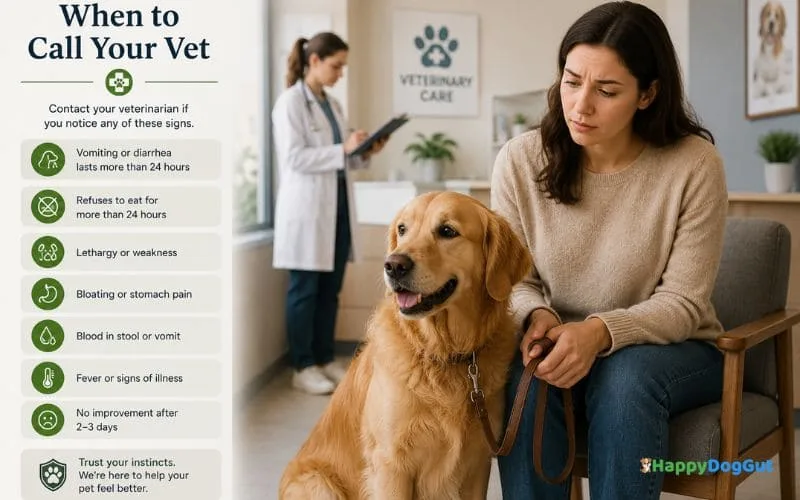
Most cases of mild digestive upset improve within a few days with a bland diet, adequate hydration, and rest. However, it’s important to remember that not every episode of diarrhea or vomiting can be safely treated at home.
Sometimes what appears to be a simple upset stomach is actually the first sign of a more serious illness, such as pancreatitis, an intestinal blockage, a bacterial infection, or another condition that requires prompt medical treatment.
As a dog owner, you don’t need to know the exact cause—you simply need to recognize the warning signs that mean it’s time to stop home treatment and contact your veterinarian.
🚑 Emergency Checklist: Call Your Vet Immediately If Your Dog…
Use this checklist as a quick reference.
✅ Repeatedly vomits or can’t keep food or water down
✅ Has bloody diarrhea or black, tarry stools
✅ Shows signs of dehydration
✅ Becomes extremely weak or unusually lethargic
✅ Collapses or struggles to stand
✅ Refuses food for more than 24 hours (or much sooner if it’s a puppy)
✅ Has severe abdominal pain or a swollen belly
✅ Has diarrhea lasting longer than 72 hours
✅ Has a fever or appears seriously ill
✅ May have eaten a toxin, medication, foreign object, or spoiled food
⚠️ If your instincts tell you something isn’t right, trust them. You know your dog’s normal behavior better than anyone else.
💧 Signs of Dehydration
One of the biggest risks associated with diarrhea and vomiting is dehydration.
Dogs lose fluids much faster than many owners realize, especially if they’re losing water from both ends of the digestive tract.
Watch for signs such as:
- Dry or sticky gums
- Sunken eyes
- Thick, sticky saliva
- Excessive panting
- Loss of skin elasticity
- Weakness or reluctance to move
- Drinking very little—or not at all
Puppies, senior dogs, and toy breeds are especially vulnerable because they have smaller fluid reserves and can become dehydrated much more quickly than healthy adult dogs.
If you suspect dehydration, don’t wait for your dog to “sleep it off.” Prompt veterinary treatment can prevent more serious complications.
🤮 Repeated Vomiting
Vomiting once doesn’t always indicate an emergency.
However, vomiting multiple times, vomiting after every meal, or being unable to keep even small amounts of water down should never be managed with a bland diet alone.
Repeated vomiting increases the risk of:
- Dehydration
- Electrolyte imbalances
- Nutrient loss
- Aspiration pneumonia
- More serious underlying diseases
Seek veterinary care if vomiting continues, especially when it’s accompanied by diarrhea, abdominal pain, or extreme tiredness.
🩸 Bloody Stool Is Never Something to Ignore
Finding blood in your dog’s stool is understandably frightening.
While a tiny streak of bright red blood may occasionally occur after repeated diarrhea due to irritation of the rectum, blood should never be considered normal.
Seek veterinary advice if you notice:
- Bright red blood
- Large amounts of blood
- Blood mixed throughout the stool
- Black, sticky, tar-like stool
- Bloody diarrhea combined with vomiting or weakness
These signs may indicate bleeding somewhere within the digestive tract and require professional evaluation.
😴 Extreme Weakness or Lethargy
A dog with a mild upset stomach may be quieter than usual.
But there’s a significant difference between resting more and being too weak to function normally.
Warning signs include:
- Sleeping excessively and difficult to wake
- No interest in family members
- Refusing to walk
- Hiding continuously
- Difficulty standing
- Lack of response to normal activities
If your dog seems unusually weak or “just isn’t themselves,” don’t assume they’ll improve on their own.
🚨 Collapse Is Always an Emergency
If your dog:
- Collapses
- Cannot stand
- Faints
- Appears disoriented
- Has difficulty breathing
- Shows pale or white gums
Seek emergency veterinary care immediately.
These symptoms are not consistent with a simple upset stomach and should never be managed at home with dietary changes.
🩺 Puppies, Senior Dogs, and Dogs With Health Conditions Need Earlier Veterinary Care
Some dogs simply have less room for error.
Don’t wait several days before calling your veterinarian if your dog is:
- 🐾 Under six months old
- 🐾 A senior dog
- 🐾 Pregnant or nursing
- 🐾 Diabetic
- 🐾 Living with kidney, liver, or heart disease
- 🐾 Being treated for a chronic digestive disorder
These dogs can deteriorate much faster than healthy adults and often benefit from earlier medical intervention.
💡 Don’t Wait for Every Box to Be Checked
Many owners delay calling the veterinarian because they believe they should wait until symptoms become “really serious.”
In reality, early treatment is often simpler, less stressful, and more effective than waiting until a dog becomes severely dehydrated or critically ill.
If you’re unsure whether your dog’s loose stools require professional attention, our guide on when to see a vet for loose stool explains which symptoms can usually be monitored at home and which deserve a veterinary appointment.
Likewise, if you’re trying to decide whether diarrhea has progressed beyond a mild digestive upset, our article on signs to worry about diarrhea walks you through the red flags every dog owner should know.
🐶 A bland diet is an excellent tool for supporting dogs with mild digestive upset, but it should never replace veterinary care when warning signs are present. When in doubt, it’s always safer to make a phone call than to wait another day hoping your dog will improve on their own.
Recovery Timeline: What to Expect While Your Dog Is on a Bland Diet
One of the most reassuring things for dog owners is knowing what a normal recovery looks like. After all, when your dog has diarrhea or an upset stomach, it’s easy to worry that every soft stool or skipped meal means something is wrong.
The good news is that most healthy dogs with mild digestive upset begin showing gradual improvement within a few days when they’re properly hydrated, eating a bland diet, and getting enough rest.
The key word is gradual.
Your dog probably won’t go from diarrhea to perfectly normal overnight. Instead, you’ll usually notice several small improvements that add up over the course of a few days.
📊 Typical Recovery Timeline
| Recovery Day | What You May Notice | Is This Normal? |
|---|---|---|
| Day 1 | Mild diarrhea may continue, appetite begins returning, vomiting stops, drinking water normally | ✅ Yes |
| Day 2 | Stool starts becoming firmer, more energy, fewer bathroom trips | ✅ Yes |
| Day 3 | Normal appetite returns, stool becomes well-formed, playful behavior resumes | ✅ Yes |
| After Day 3 | Most dogs are ready to transition back to their regular diet | ✅ If symptoms have resolved |
💡 Every dog recovers at a slightly different pace. Younger, healthy dogs often improve faster than senior dogs or dogs with underlying digestive conditions.
🗓️ Day 1: Early Signs of Stabilization
The first day is usually about giving the digestive system time to settle.
Don’t expect immediate results after the very first bland meal.
Instead, you may notice encouraging signs such as:
- 🐾 No additional vomiting
- 🐾 Drinking water willingly
- 🐾 Showing interest in food again
- 🐾 More relaxed behavior
- 🐾 Sleeping comfortably
It’s also perfectly normal if your dog’s stool is still soft or loose during the first 24 hours.
Remember, the intestines often take longer to recover than the stomach.
🗓️ Day 2: Small Improvements Become More Noticeable
By the second day, many dogs begin looking much brighter.
Common improvements include:
- ✅ Better appetite
- ✅ More enthusiasm at mealtime
- ✅ Firmer stools
- ✅ Less urgency to go outside
- ✅ More energy around the house
- ✅ Less stomach gurgling
Some owners also notice that their dog starts asking to play again or greets family members with more excitement—small but meaningful signs that they’re feeling better.
🗓️ Day 3: Returning to Normal
If your dog’s digestive upset was mild, the third day is often when recovery becomes much more obvious.
Many dogs now have:
- 🐶 Well-formed stools
- 🐶 A normal appetite
- 🐶 Regular bathroom habits
- 🐶 Good energy levels
- 🐶 Comfortable sleep
- 🐶 Normal interest in walks and playtime
This is usually the stage when you can begin gradually transitioning back to your dog’s regular food, provided there are no lingering digestive symptoms.
👀 What Owners Often Notice During Recovery
Recovery isn’t just about stool quality.
Many dog owners notice subtle changes that suggest the digestive system is healing, including:
- 🐾 Eating meals without hesitation
- 🐾 No lip licking or signs of nausea
- 🐾 Less grass eating
- 🐾 Reduced stomach rumbling
- 🐾 Drinking normal amounts of water
- 🐾 Better mood and interaction with family
- 🐾 More interest in toys and walks
- 🐾 Sleeping peacefully instead of appearing restless
While many dogs improve within a day or two, some continue having digestive issues even after eating a bland diet. If your dog still has loose stool after chicken and rice, it’s often a sign that another factor may be slowing recovery or contributing to the diarrhea.
These everyday observations are often just as valuable as monitoring bowel movements because they reflect your dog’s overall comfort and well-being.
⚠️ Recovery Should Move Forward—Not Backward
It’s important to remember that healing doesn’t always happen in a perfectly straight line.
For example:
- One slightly softer stool after two normal ones isn’t always a setback.
- Appetite may vary slightly from one meal to the next.
- Energy levels may improve gradually rather than all at once.
What matters most is the overall trend.
Ask yourself:
- Is my dog acting more like themselves today than yesterday?
- Are the stools gradually improving?
- Is my dog eating and drinking more normally?
- Is vomiting becoming less frequent—or has it stopped completely?
If the answer is yes, your dog is likely moving in the right direction.
However, if symptoms suddenly worsen after initial improvement—or if new symptoms such as bloody diarrhea, repeated vomiting, severe lethargy, or dehydration develop—it’s time to contact your veterinarian.
💡 Healing Happens One Small Step at a Time
Many owners expect a dramatic overnight recovery, but digestive healing is usually much more gradual.
The first signs are often subtle:
- A little more energy.
- A better appetite.
- One firmer bowel movement.
- A wagging tail after a day of feeling miserable.
Those small improvements are encouraging signs that your dog’s digestive system is beginning to recover.
If you’re wondering exactly what changes veterinarians consider positive during recovery, our guide on the signs your dog’s gut is healing explains the milestones to watch for and how to tell the difference between normal healing and warning signs that deserve further attention.
🐶 Remember: Recovery isn’t about having one perfect day—it’s about seeing steady progress. As long as your dog continues eating, drinking, becoming more comfortable, and producing firmer stools over the next few days, you’re generally moving in the right direction.
Frequently Asked Questions About Bland Diet for Dogs
Can I feed chicken and rice every day?
No—not as a long-term diet.
While boiled chicken and white rice are excellent choices for short-term digestive recovery, they don’t provide all the vitamins, minerals, healthy fats, and other nutrients your dog needs every day. Most veterinarians recommend using a homemade bland diet for only two to three days, unless they advise otherwise.
If your dog needs a special diet for longer than a few days, ask your veterinarian whether a complete and balanced gastrointestinal diet would be a better option.
Is pumpkin part of a bland diet?
Yes, plain canned pumpkin can be part of a bland diet for some dogs.
Its natural soluble fiber may help improve stool consistency during mild diarrhea or soft stools. However, pumpkin should be used as a small addition, not the main ingredient.
Always choose 100% plain pumpkin and avoid pumpkin pie filling, which contains added sugar and spices that aren’t safe for dogs.
Can dogs eat eggs on a bland diet?
Sometimes—but they’re usually not the first choice.
Plain, fully cooked eggs are easy for many dogs to digest, but they’re also higher in fat than boiled chicken breast. Because fat can aggravate digestive upset in some dogs, most veterinarians recommend sticking with lean proteins such as boiled chicken or turkey during the initial recovery period.
If you’d like to include eggs, it’s best to ask your veterinarian first.
Can I use oatmeal instead of white rice?
It depends on your dog.
Plain cooked oatmeal is easy to digest for some dogs and may work well if rice isn’t suitable. However, white rice is generally preferred because it’s lower in fiber and tends to be gentler on an irritated digestive tract.
If you’re considering oatmeal, make sure it’s:
Plain
Fully cooked
Free from sugar, milk, butter, raisins, or flavorings
Can puppies eat a bland diet?
Yes, but with extra caution.
A bland diet may be appropriate for puppies with mild digestive upset, but puppies become dehydrated much faster than adult dogs.
If your puppy has repeated vomiting, persistent diarrhea, refuses food, seems unusually tired, or is younger than a few months old, contact your veterinarian promptly rather than relying on home care alone.
Can I give my dog treats while they’re on a bland diet?
It’s best to avoid treats until your dog has fully recovered.
Even healthy dog treats often contain extra fat, multiple protein sources, or ingredients that may irritate a healing digestive system.
Wait until your dog has successfully transitioned back to their normal food and has had normal stools for a couple of days before reintroducing treats.
What if my dog’s diarrhea comes back after switching back to regular food?
This sometimes happens if the transition is too fast or if the underlying digestive problem hasn’t completely resolved.
If loose stools return:
Slow the transition down.
Return to the previous food ratio for another day or two.
Avoid treats and table scraps.
Contact your veterinarian if diarrhea continues or becomes more severe.
Recurring digestive problems may indicate food intolerance, allergies, or another gastrointestinal condition that needs further evaluation.
How much bland food should I feed my dog?
The amount depends on your dog’s:
Weight
Age
Activity level
Severity of digestive upset
Rather than feeding one large meal, divide your dog’s daily food into three to six smaller meals. Small portions are generally easier on a recovering stomach and help reduce the risk of vomiting after eating.
If you’re unsure about portion sizes, consult your veterinarian, especially for puppies, senior dogs, or dogs with chronic health conditions.
Is boiled hamburger okay for a bland diet?
It can be—but only if it’s very lean.
If you use ground beef, choose the leanest variety available and drain off as much fat as possible after cooking.
For many dogs, boiled chicken breast or lean turkey is still the preferred choice because they’re naturally lower in fat and easier to digest.
Should I fast my dog before starting a bland diet?
The answer depends on your dog’s age and symptoms.
Some veterinarians may recommend a short fasting period for healthy adult dogs after vomiting, but fasting isn’t appropriate for every dog.
Puppies, toy breeds, senior dogs, diabetic dogs, and dogs with certain medical conditions should not be fasted without veterinary guidance.
Current veterinary advice often focuses more on maintaining hydration and gradually reintroducing small amounts of easily digestible food rather than prolonged fasting.
If you’re unsure whether your dog should be fasted, it’s safest to contact your veterinarian.
Can I mix a bland diet with my dog’s regular food?
Yes—but only when your dog is recovering.
Once your dog has gone at least 24 hours without vomiting, has a normal appetite, and their stools are becoming firm, you can begin gradually mixing their regular food with the bland diet.
A slow transition over several days is much less likely to trigger another digestive upset than switching back all at once.
When should I stop feeding a bland diet?
Most healthy adult dogs only need a bland diet for 48 to 72 hours.
You can usually begin transitioning back to regular food once your dog:
✅ Has firm, well-formed stools
✅ Is eating normally
✅ Is drinking water without problems
✅ Has normal energy levels
✅ Has stopped vomiting
If your dog still needs a bland diet after several days—or symptoms aren’t improving—it’s time to schedule a veterinary examination instead of continuing home treatment indefinitely.
Final Thoughts
A bland diet for dogs is one of the simplest and most effective ways to support mild digestive upset, but it’s important to use it correctly. When prepared with plain, easily digestible ingredients and fed in small, frequent meals, a bland diet can help many dogs recover from temporary diarrhea, vomiting, or stomach irritation while reducing stress on the digestive system.
That said, it’s only one part of the recovery process.
As your dog heals, continue to monitor more than just their stool. Pay close attention to:
- 💩 Stool consistency – Is it becoming firmer each day?
- 💧 Hydration – Is your dog drinking normally and staying well hydrated?
- 🍽️ Appetite – Are they eating willingly without nausea or vomiting?
- 🐾 Energy level – Are they acting more like themselves?
- ❤️ Overall behavior – Are they comfortable, playful, and interested in their surroundings?
These everyday observations often provide the clearest picture of how well your dog is recovering.
Remember that a homemade bland diet is not a complete, balanced long-term feeding plan. Once your dog’s symptoms have resolved, it’s important to transition them back to their regular diet gradually. If digestive problems continue, repeatedly return, or worsen despite a bland diet, it’s time to work with your veterinarian to identify the underlying cause rather than relying on repeated home treatment.
If you’re looking for more guidance on supporting your dog’s digestive health, you may also find these resources helpful:
- 📖 Best foods for Loose Stool
- 📖 Sensitive Stomach Guide
- 📖 What to Feed after Diarrhea
- 📖 Gut Reset Protocol
Ultimately, every dog is different. Some recover within a day or two, while others need additional veterinary care to address an underlying digestive issue. By feeding a bland diet appropriately, monitoring your dog’s progress closely, and recognizing when professional help is needed, you’ll be giving your four-legged companion the best chance for a safe, comfortable recovery.

Hi, I’m Maddy, the writer behind HappyDogGut.com.I’m passionate about helping dog parents better understand gut health, sensitive stomachs, and nutrition through clear, practical, and research-based content. Every article is carefully researched using trusted veterinary and pet health resources, so you can make more informed decisions for your dog’s digestive health.Happy Gut = Happy Dog! 🐾
All content on Happy Dog Gut follows our Editorial Policy.
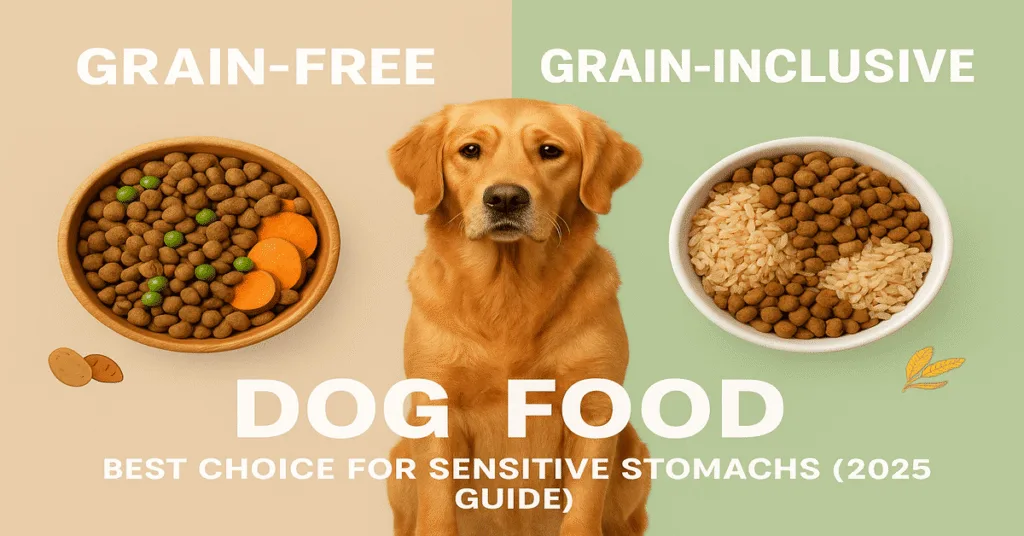
Pingback: Homemade Chicken and Rice for Dogs with Diarrhea (Vet-Approved Guide)
Pingback: How to Calm a Dog’s Upset Stomach Naturally (Vet-Approved 2026)
Pingback: Dog Gut Reset Protocol (48–72 Hour Plan That Works)
Pingback: How Much Chicken and Rice Should You Feed a Dog With Diarrhea? Vet-Approved Portion Guide
Pingback: Dog Still Has Loose Stool After Chicken and Rice: What to Do Next